Border Disputes, Identity Struggles, and the Controversial Narrative of Somalia’s Occupation
By Kasim Abdulkadir:
In the tumultuous landscape of the Horn of Africa, a contentious question echoes loudly: Somalia’s claim over Somaliland. Join us on a journey to uncover the truth behind this long-standing dispute, as we delve into the complexities of border disputes, identity struggles, and the controversial narrative of Somalia’s occupation.
Somaliland, a land that defies misconceptions and exposes the hidden truths buried in history, stands as a testament to resilience and determination. Once a British protectorate, Somaliland gained its sovereignty on June 26th, 1960, marking a proud moment for its people and their newfound nation. The international community wasted no time in recognizing Somaliland’s independence, with over 35 countries, including influential members of the United Nations Security Council, swiftly acknowledging its sovereignty.
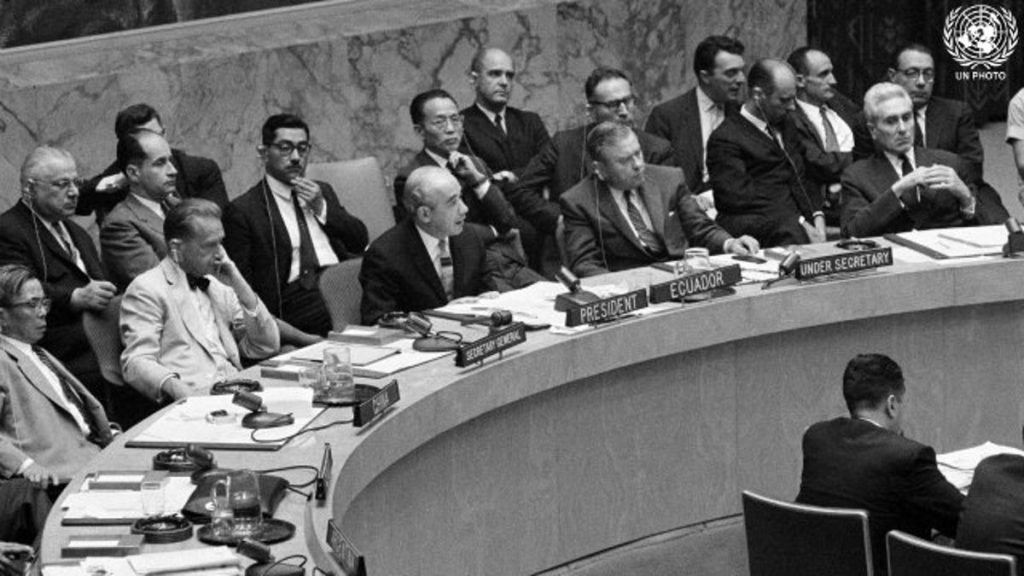
However, the story takes a disturbing turn as Somalia attempts to assert itself as the legal successor of Somaliland. Contrary to popular belief, it was Somalia that merged with the already recognized state of Somaliland in 1960, while Somalia itself was under a United Nations trusteeship. Despite legal blunders and failed attempts at union, Somalia continues to perpetuate the false narrative of unity, clinging to the credentials of Somaliland for its own gain.
From 1961 to 1990, Somalia’s occupation of Somaliland has persisted, transforming what was once regarded as a state into a mere territory under its control. Somalia’s claims of secessionist movements in Somaliland are nothing but a facade, masking its own illegitimate occupation and exploitation of Somaliland’s resources.
In contrast, Somaliland stands firm with its legally recognized status and well-documented independence documents. The absence of international re-recognition and the dispute surrounding Somalia’s narrative of secessionists only serve to cover up the reality of Somalia’s illegal occupation.
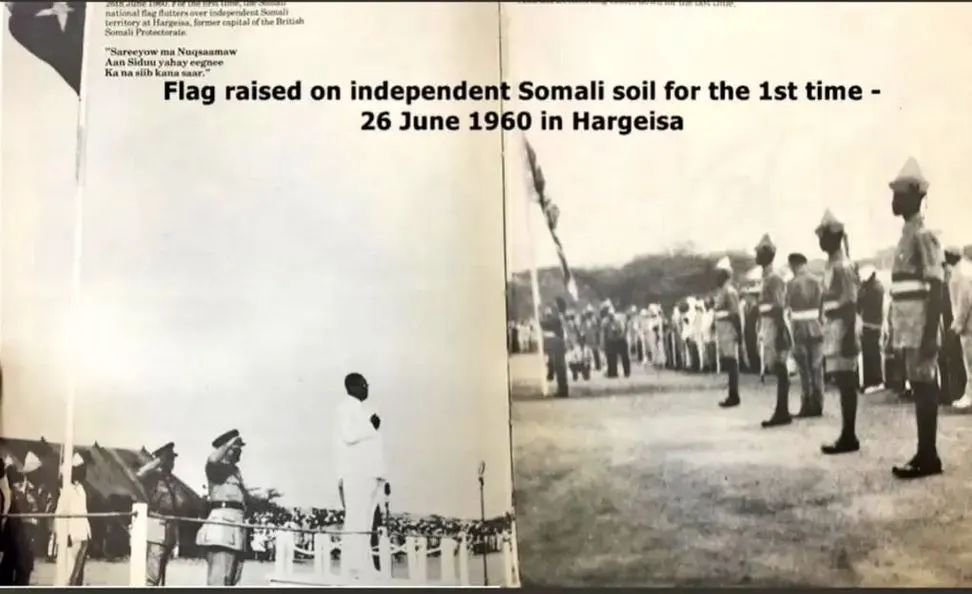
Despite Somaliland’s rightful claim to sovereignty and its relentless pursuit of recognition, it faces resistance from Somalia, a nation plagued by internal strife and external challenges. Somalia’s lack of internationally demarcated borders and definitive sovereignty guarantee only highlight its own shortcomings in the eyes of the international community.
As the truth behind Somalia’s claim over Somaliland comes to light, it is evident that Somalia’s actions are driven by desperation and deceit. While Somalia clings to its bogus unity, Somaliland remains steadfast in its pursuit of justice and recognition on the world stage.
In conclusion, the international community must acknowledge and address the injustices faced by Somaliland at the hands of Somalia. It is time for Somalia to relinquish its illegal occupation and for Somaliland to reclaim its rightful place among the community of nations. Only then can true peace and prosperity prevail in the Horn of Africa.