Mogadishu Walks Away, Hargeisa Steps Forward: How Somalia’s UAE Rift Speeds Somaliland Recognition.
Somalia’s decision to formally annul its security and defense agreements with the United Arab Emirates marks more than a routine diplomatic dispute. It signals a structural shift in the Horn of Africa — one that increasingly favors Somaliland’s long campaign for international recognition.
Mogadishu has presented the move as an assertion of sovereignty. In reality, it exposes the limits of that sovereignty. By cutting ties with Abu Dhabi, the Federal Government of Somalia has effectively abandoned the “Mogadishu First” framework that once allowed it to act as the primary gatekeeper for regional partnerships. The result is a widening opening for Somaliland to consolidate its position as a reliable, self-governing state actor.
The contrast between the two administrations is stark. While Somalia’s cabinet framed its decision in defensive terms, Somaliland’s response — led by Minister of the Presidency Khadar Hussein Abdi — projected confidence and continuity. His message was simple but decisive: partnerships are built on trust, delivery, and long-term consistency. Somaliland, not Mogadishu, has provided that consistency.
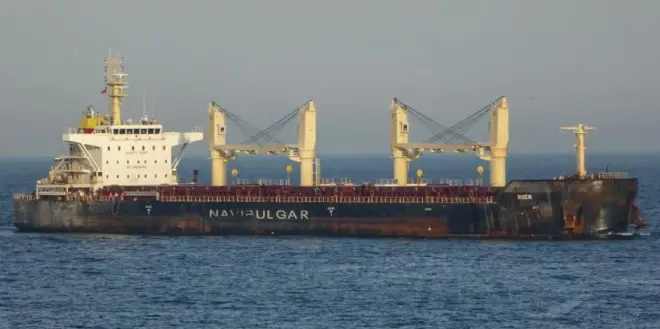
Nowhere is this clearer than in Berbera. When international actors hesitated, the UAE invested. That investment reshaped Berbera from a marginal port into a strategic maritime hub linking the Gulf, the Red Sea, and East Africa. For Abu Dhabi, Somaliland has evolved from a local partner into a cornerstone of its regional logistics and security strategy.
Israel’s formal recognition of Somaliland has accelerated this trajectory. It has transformed quiet cooperation into open geopolitical momentum. A new strategic triangle — Hargeisa, Abu Dhabi, and Jerusalem — is beginning to take shape, with direct implications for Red Sea security and global shipping lanes.
Several dynamics make UAE recognition of Somaliland increasingly plausible. First is economic reality. With defense ties severed in Mogadishu, the UAE’s multi-billion-dollar interests in Berbera rest entirely on Somaliland’s legal and security framework. Formal recognition would lock in those investments and remove lingering diplomatic ambiguity.
Second is regional alignment. Somaliland’s growing relationship with Israel fits naturally within the broader logic of the Abraham Accords. A Somaliland recognized by both Israel and the UAE would form a stability corridor along the Bab el-Mandeb — a critical chokepoint for global trade.
Third is power redistribution. As Somalia deepens its dependence on Turkey and Saudi Arabia, the UAE is recalibrating. Securing its maritime interests requires partners that control territory, guarantee security, and honor agreements. Somaliland meets all three criteria.
Mogadishu’s claims of authority over Berbera, Bosaso, and Kismayo increasingly ring hollow. In modern diplomacy, legitimacy is measured less by inherited charters and more by effective governance. Somaliland has maintained internal security, held multiple democratic transitions, and governed its territory continuously since 1991.
Somalia’s exit from the UAE defense pact is therefore not a setback for Abu Dhabi — it is a release. It frees the UAE from Somalia’s internal contradictions and redirects its focus toward its most successful Horn of Africa partnership.
As Mogadishu narrows its options, Somaliland expands its horizon. Recognition is no longer a distant aspiration. It is becoming the logical endpoint of a long-running geopolitical realignment. The remaining question is not whether Somaliland will gain further recognition — but how soon the next domino falls.