Ukraine Begins EU Membership Negotiations: A Bold Step Towards European Integration
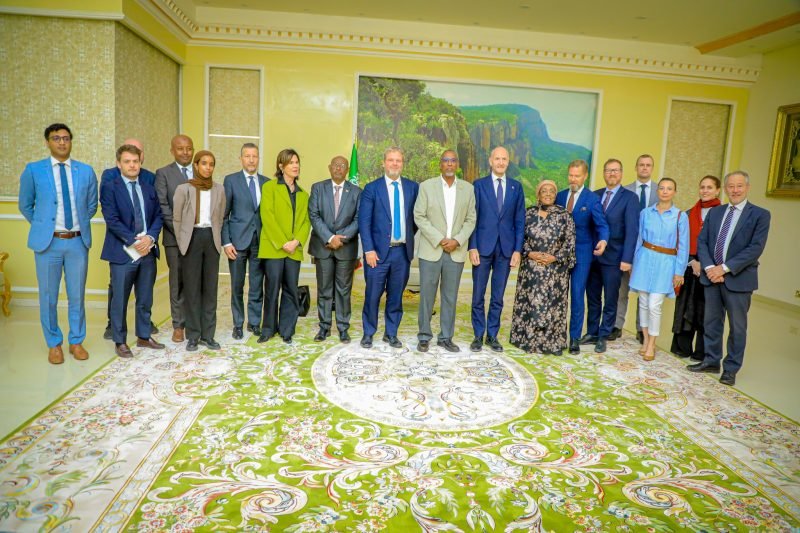
Ukraine is set to begin negotiations to join the European Union next week, a significant step following its application in 2022 after the Russian invasion. President Volodymyr Zelenskyy announced the decision in his nightly address, emphasizing the importance of unity among nations that uphold European values. This move by the EU to approve membership talks with Ukraine sends a powerful message of support to Kyiv amidst ongoing conflict with Russia.
The EU’s decision to start the membership process with Ukraine, alongside approving a negotiating framework for Moldova, demonstrates a clear stance against Russian aggression. Zelenskyy highlighted the importance of solidarity among European nations, saying, “Every country, every society that truly professes European values and aspires to real European strength — that every such nation — be together with all the others in a united Europe.”
Kremlin spokesperson Dmitry Peskov indicated that Russia is prepared for security talks with the United States, insisting these must include discussions on the conflict in Ukraine. Despite this, the U.S. and NATO maintain that providing arms to Ukraine does not constitute direct involvement in the conflict. This comes in the wake of the White House’s decision to prioritize the delivery of powerful air defense missiles to Ukraine, following severe Russian missile and drone attacks targeting Ukraine’s energy infrastructure.
Meanwhile, tensions between Russia and South Korea have risen after South Korea expressed concern over a recent defense pact between Russia and North Korea. Seoul hinted at the possibility of sending arms to Ukraine, a move that would reverse its current policy. Russian President Vladimir Putin warned South Korea against this, suggesting it would be a significant mistake that could lead to consequences unfavorable for South Korea.
In retaliation to Russian assaults, Ukraine launched attacks targeting oil refineries, radar installations, and intelligence centers in southern Russia and occupied Crimea. The Ukrainian general staff reported successful strikes on a fuel and chemical warehouse in Russia’s Tambov region and an oil depot in the Republic of Adygea. These actions underline Ukraine’s capacity to strike back despite the extensive damage inflicted on its energy infrastructure.
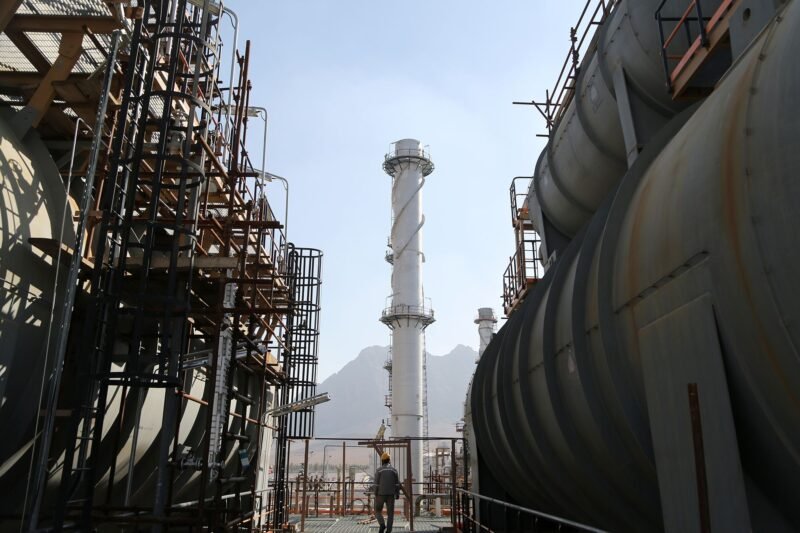
Ukraine’s national power provider, Ukrenergo, reported significant damage to energy facilities due to recent Russian attacks, resulting in rolling blackouts across the country. The persistent strikes have halved Ukraine’s power-generating capabilities compared to last year, exacerbating the challenges faced by civilians and military operations alike.
Ukraine’s commencement of EU membership talks represents a pivotal moment in its integration into the European community, reinforcing its stance against Russian aggression. The geopolitical implications are profound, with increased Western support for Ukraine likely to intensify the broader conflict dynamics involving Russia, the U.S., and other global players.