The Shocking Assassination Attempt at Trump’s Pennsylvania Rally Exposes an Alarming Rise in Political Violence and National Security Concerns.
The assassination attempt on Donald Trump at a Pennsylvania rally underscores a deeply polarized U.S. political landscape, highlighting rising threats of violence and the potential for escalating tensions.
Gunshots at a Trump rally in Butler, Pennsylvania, sent shockwaves through an already tense nation. This assassination attempt on former President Donald Trump, who is poised to secure the GOP nomination for the 2024 election, has intensified national security concerns that have been simmering for years.
Late Saturday, New York Mayor Eric Adams announced a surge in police presence “out of an abundance of caution,” as the shooting not only resulted in one death but also left Trump with a grazed ear. “The events that unfolded at today’s rally in Pennsylvania are horrific,” Adams posted on X, emphasizing that political violence is unacceptable.
This act of violence brings into sharp focus the warnings from the U.S. Homeland Security Department dating back to January 2021, following the Capitol breach. The most recent assessment in September flagged a “high risk” of attacks, specifically targeting the 2024 elections and related personnel. These predictions have materialized in the most unsettling manner.
Colin Clarke, director of research at The Soufan Group, remarked, “Tensions have been building on both sides of the political spectrum and extremists have taken root,” suggesting that the shooting might exacerbate the volatility in the coming weeks. The deep-rooted anger across political divides has created a fertile ground for such violent acts.
Rachel Kleinfeld from the Carnegie Endowment for International Peace pointed out that political violence threats have been escalating, impacting politicians at all levels. “It will take more than increased security to keep additional violence at bay,” she said, urging political leaders to make strong statements condemning all forms of political violence.
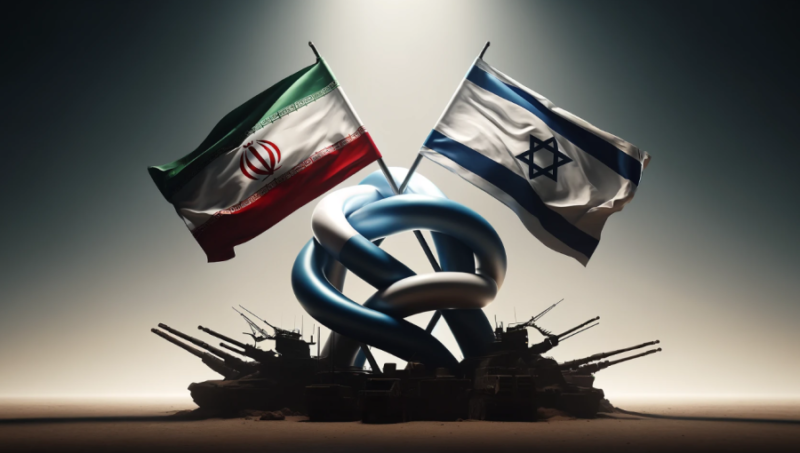
FBI Director Christopher Wray’s June testimony to lawmakers highlighted the ongoing peril, describing the domestic terrorist threat as “persistent and significant.” This environment is further poisoned by attempts from foreign entities like Russia and Iran, which aim to inflame U.S. social tensions ahead of the elections.
An assessment by the U.S. Office of the Director of National Intelligence accused Moscow of seeking to “amplify domestic divisions” and Tehran of acting as a “chaos agent,” further undermining confidence in U.S. democratic institutions. While it remains under investigation how these factors influenced the shooting, the timing and nature of the attack suggest a dangerous culmination of these divisive tactics.
Experts like Clarke warn that this incident might spiral into further violence, potentially characterizing the remainder of the election season. The assassination attempt on Trump has not only heightened immediate security measures but has also cast a long, dark shadow over the democratic processes.
In response, political figures across the spectrum have called for unity and condemned the attack. Yet, the underlying issues – a polarized electorate, extremist ideologies, and foreign interference – continue to fester. The coming months will test the resilience of American democracy and the nation’s ability to navigate through this perilous landscape without descending into further chaos.
As the investigation unfolds, the country stands at a critical juncture, where each act of violence could potentially escalate into broader conflict, reminding us just how fragile the thread of civility can be in times of deep political division.