Geopolitical Machinations and Unanswered Questions from Central Israel
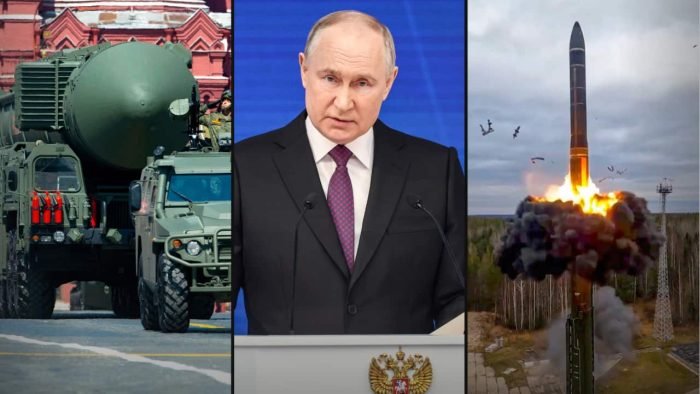
U.S. and British officials are sounding alarms over what could be a sinister pact between Russia and Iran, one that could dramatically shift the balance of power in the Middle East. The heart of the controversy? The ominous possibility that Russia, in exchange for Iranian ballistic missiles, has been sharing its nuclear secrets with Tehran. This chilling scenario emerged during high-stakes discussions between President Joe Biden and British Prime Minister Keir Starmer in Washington, as reported by the Guardian and Bloomberg. Their meeting unveiled a troubling convergence of military and nuclear ambitions, with Tehran racing towards its long-desired goal of building a nuclear bomb.
The allegations, if proven true, suggest that Russia, facing international isolation and a bloody conflict in Ukraine, has turned to Iran not only for military support but also to advance Iran’s nuclear ambitions. British sources have voiced grave concerns over this dangerous collaboration, highlighting a possible quid pro quo: Russian nuclear technology for Iranian missiles aimed at Ukrainian targets. This unsettling development could potentially enable Iran to make significant strides towards nuclear weaponization, a move that could destabilize the entire region.
Meanwhile, the situation took a dramatic turn with a missile attack from Yemen that struck central Israel early Sunday, setting off air raid sirens and igniting fears of escalating regional conflict. The missile, originating from Yemen’s Houthi rebels, landed in an open area, triggering a fire but causing no casualties. The attack, however, raises critical questions: Was it a cruise missile, which is notoriously difficult to intercept, or a ballistic missile, which should have been detected and neutralized by Israel’s advanced defense systems?
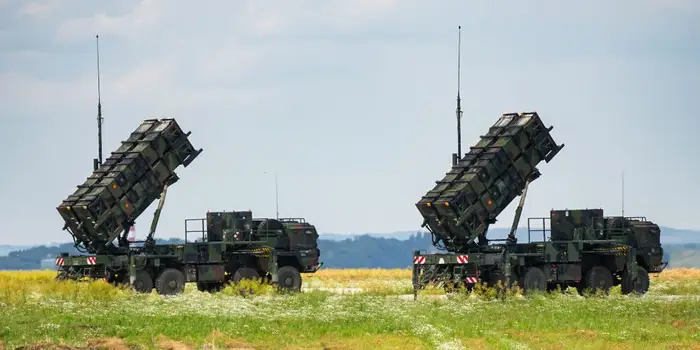
The mystery deepens as analysts speculate about the missile’s trajectory and the challenges faced by Israel’s defense systems. A cruise missile could have taken an indirect route, complicating detection efforts, while a ballistic missile would have been expected to be intercepted by systems like Arrow 2 or Arrow 3. The failure to intercept might indicate a serious lapse in Israel’s defense capabilities or a strategic oversight in identifying and neutralizing the threat.
The Houthi rebels, known for their aggressive stance against Israel and their recent threats of further retaliation, appear to be escalating their actions in response to past Israeli strikes. This missile attack could be their way of demonstrating continued defiance and capability, a move that has not only heightened regional tensions but also put Israeli defense mechanisms under intense scrutiny.
The implications of these events are profound. If Russia is indeed helping Iran advance its nuclear program while simultaneously arming its regional allies, the geopolitical landscape could shift dramatically. The question remains: will these revelations and the mysterious missile attack trigger a broader confrontation or lead to deeper diplomatic maneuvers? The answers, shrouded in secrecy and speculation, could reshape international relations and security strategies in the coming months.
In this geopolitical drama, one thing is clear: the stakes are rising, and the world is holding its breath as the drama unfolds.