Somaliland can confront online ethnic incitement without turning every offensive post into a criminal case. The difference lies in evidence, intent and the likelihood of real-world harm.
Investigate Threats, Not Opinions
Somaliland can confront online ethnic incitement without turning every offensive post into a criminal case. The difference lies in evidence, intent and the likelihood of real-world harm.
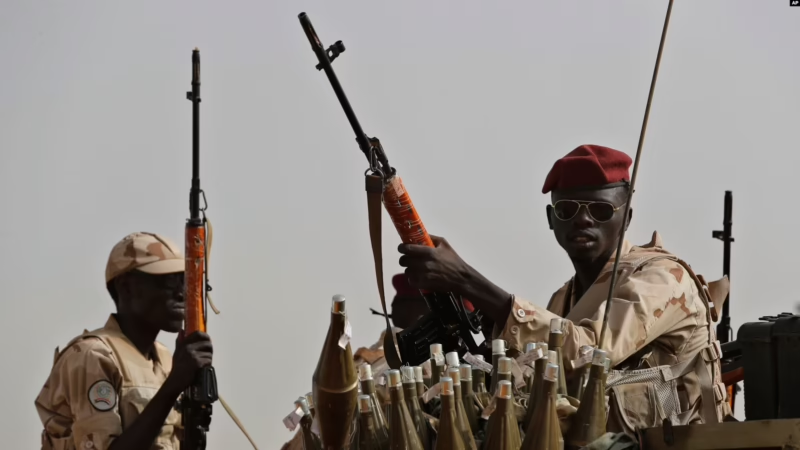
The fighting around Moyale has generated an aggressive online contest in which unverified videos, collective accusations and ethnic narratives circulate faster than confirmed information. The danger for Somaliland is that a conflict inside Ethiopia could be repackaged as justification for hostility toward Oromo workers or other Ethiopian residents who had nothing to do with the violence.
Recent fighting between forces and armed groups associated with Ethiopia’s Oromia and Somali regions displaced tens of thousands of people into Kenya. Accounts of the conflict remain contested, while social media users from opposing sides have circulated incompatible versions of events.
There is no independently verified evidence that Oromo residents in Somaliland are involved. Nor has public evidence established that a coordinated foreign network is directing the Somaliland posts. Police should investigate credible leads without presenting suspicion as fact.
Establish a Legal Threshold
Somaliland’s Constitution protects expression under Article 32. It also prohibits ethnic discrimination and grants lawfully resident foreigners rights before the law comparable to those of citizens, except for reserved political rights. Arrests generally require a reasoned judicial warrant unless someone is caught committing an offence.
Police should therefore separate online material into three categories:
Political criticism and historical argument, including offensive opinions that do not advocate harm;
Abusive or false material requiring correction, moderation or civil action
Direct threats or intentional incitement likely to cause discrimination or violence.
The UN’s Rabat framework recommends examining context, the speaker’s influence, intent, content, reach and the likelihood—including imminence—of actual harm. Criminal prosecution should be reserved for the most serious cases.
Follow the Evidence
Investigators should preserve the original post, URL, publication time, comments, edits and distribution pattern. Screenshots alone can be altered and should not establish authorship.
Account identification, device searches and private-message access should require lawful authorization. Police should document whether the suspect issued a specific threat, identified a target, shared locations, instructed followers or repeatedly encouraged immediate action.
Targeted individuals should receive protection before officers announce arrests.
WARYATV Assessment
Somaliland should not choose between public safety and free debate. It needs an investigation system capable of distinguishing criticism from intimidation and prejudice from actionable incitement.
Arresting outspoken critics without evidence would damage trust. Ignoring credible threats could place innocent workers in danger and expose Somalilanders in Ethiopia to retaliation. The answer is disciplined policing: individual responsibility, judicial warrants and evidence strong enough to survive open court.