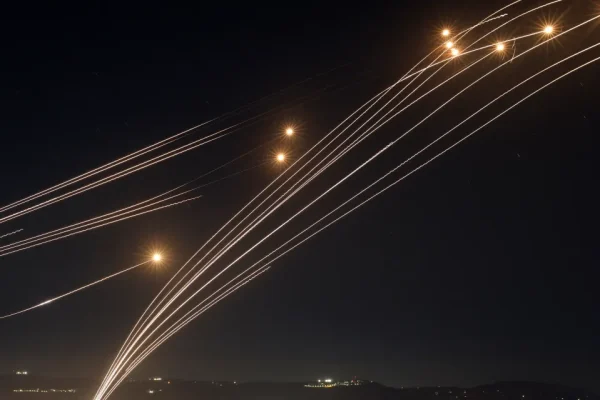
As the U.S. presidential race intensifies, concerns over foreign influence have resurfaced, with particular attention on Iran’s recent actions to sway American voters. Through a combination of open and covert methods, Tehran has amplified narratives that align with its foreign policy objectives, often focusing on divisive domestic issues and the ongoing Israel-Hamas conflict.
In the lead-up to the November 5 election between Vice President Kamala Harris and former President Donald Trump, Iranian state-controlled media have painted the U.S. as a nation beset by “division, disunity, dissatisfaction, and dysfunction,” themes that highlight societal tensions likely to persist post-election. Analysts at the Iranian outlet Press TV have underscored what they describe as the U.S.’s historical and continued support for Israel, especially amid escalating violence in Gaza, framing it as tacit approval of what they call “genocidal policies.” Reports from Tehran-based sources suggest that both candidates’ support for Israel has alienated some voters, particularly in Muslim communities critical of U.S. policy in the Middle East. In key battleground states like Michigan, this demographic could be pivotal in determining the election’s outcome.
On the digital front, researchers at Microsoft’s Threat Analysis Center (MTAC) identified several Iranian-operated cyber personas and websites that aim to influence public opinion. Accounts like “Bushnell’s Men,” linked to Iran, have fueled anti-Israel rhetoric and encouraged American and European protests against Israeli actions in Gaza, while simultaneously suggesting that U.S. voters “sit out the elections.” Microsoft also uncovered at least four websites posing as independent news outlets. These sites, adopting contrasting political stances, disseminated polarizing content to strategically target diverse voter groups on topics ranging from LGBTQ rights to the Israel-Hamas conflict.
Iran’s actions are part of a broader effort documented by U.S. intelligence agencies and independent research groups, revealing Tehran’s sustained campaign to undermine confidence in U.S. democratic institutions. The Department of the Treasury has attributed state-sponsored “spear-phishing” and “hack-and-leak” tactics to Iranian actors attempting to manipulate public sentiment and destabilize the political process. Intelligence officials have indicated that Iran’s objectives extend beyond supporting a specific candidate, aiming instead to foster discord within the U.S. and weaken the credibility of its democratic system.
According to U.S. Director of National Intelligence Avril Haines, these influence operations are part of Iran’s strategy to exploit existing tensions, particularly around contentious issues such as the Israel-Gaza conflict. With American elections approaching, concerns over foreign intervention are heightened as U.S. officials continue to monitor and address potential risks to election security and public confidence.