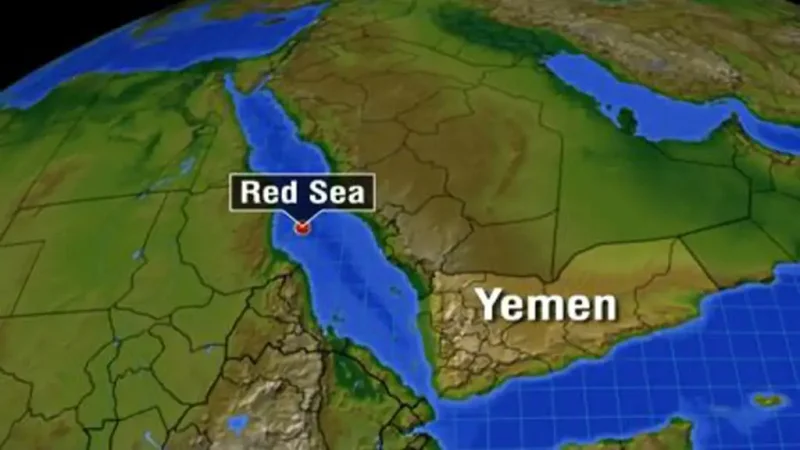
Iran’s recent quietness on its threatened “retaliation” against Israel raises questions about the motivations behind its rhetoric and the possible shifts in strategy as regional dynamics evolve. For weeks, Iran had maintained a fierce posture, hinting at potential attacks on Israel, even suggesting a multi-front offensive. But as rumors of a November 5 assault failed to materialize, it appears Tehran may be re-evaluating its stance amid several strategic considerations.
A significant component of Iran’s regional approach includes relying on its ally Hezbollah. The Lebanese militant group has recently intensified its missile and rocket attacks on Israeli targets, reportedly launching deep into Israel’s territory. Pro-Iran media have lauded these as “qualitative operations” under Hezbollah’s “Khaybar” series, showing Tehran’s apparent preference to keep direct confrontation at a distance, at least temporarily, while maintaining pressure on Israel through its proxies.
Moreover, the domestic focus in Iranian state media suggests Tehran may be distracted by internal security matters. The IRGC, for example, is directing considerable resources toward quelling insurgencies in Iran’s Balochistan province, a challenging frontier near Pakistan. Additionally, the IRGC’s propaganda has shifted to a more introspective tone, highlighting domestic infrastructure and military health services—a sign that Iran may be emphasizing internal stability amid regional pressures.
The geopolitical landscape is also shifting as the U.S. transitions to a Trump administration once again. Reports suggest that Brian Hook, Trump’s former Iran envoy, may return to spearhead a potentially hardline stance toward Iran. With memories still fresh of the U.S.’s targeted killing of IRGC commander Qasem Soleimani, Tehran may be choosing a cautious path, wary of provoking a forceful American response during the administration transition.
While the pause in direct Iranian threats remains notable, Iran’s regional strategy and proxy activities continue unabated. However, this recent restraint could indicate a tactical shift rather than a cessation of aggression, as Tehran bides its time and gauges Washington’s next moves.