Recognition is often celebrated as the end of a struggle; in geopolitics, it is frequently the beginning of a new contest.
How Visibility Changes the Geopolitical Risk Equation
Strategic Intelligence Assessment
For more than three decades, Somaliland occupied an unusual position in regional politics. It exercised the functions of a state, maintained relative stability, and built democratic institutions, yet remained largely outside the calculations of major powers.
That diplomatic isolation imposed obvious costs, but it also produced an unintended benefit: Somaliland attracted relatively little strategic attention from hostile regional actors.
Recognition changes that equation.
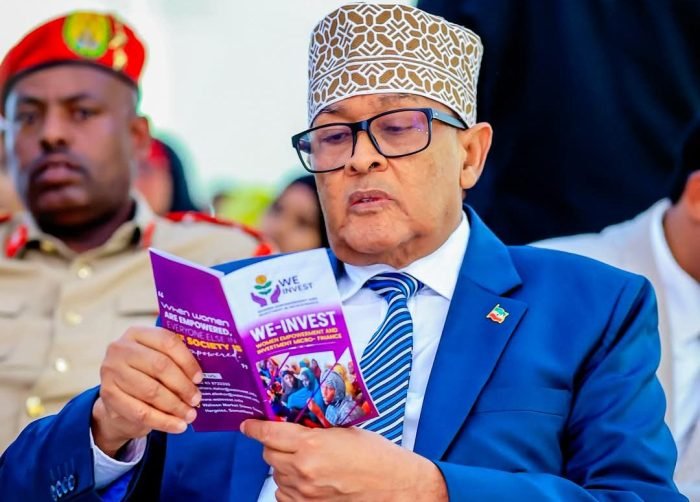
The diplomatic breakthrough with Israel does more than establish formal relations between two governments. It alters Somaliland’s place on the geopolitical map.
Once an actor becomes strategically visible, it inevitably becomes part of the competition among states seeking influence in the Red Sea, the Gulf of Aden, and the Horn of Africa.
Visibility is rarely free.
International politics operates according to a simple principle. States that matter attract investment, alliances, intelligence collection, influence campaigns, and, in some cases, coercion.
The same development that creates diplomatic opportunities can simultaneously generate new security risks. This dynamic has appeared repeatedly throughout modern history.
Countries that rise in strategic importance often discover that recognition is followed by heightened external scrutiny, political pressure, cyber activity, and information operations.
None of these responses necessarily mean that recognition was a mistake. They mean the country’s strategic value has changed.
Recent developments surrounding Somaliland illustrate this transition.
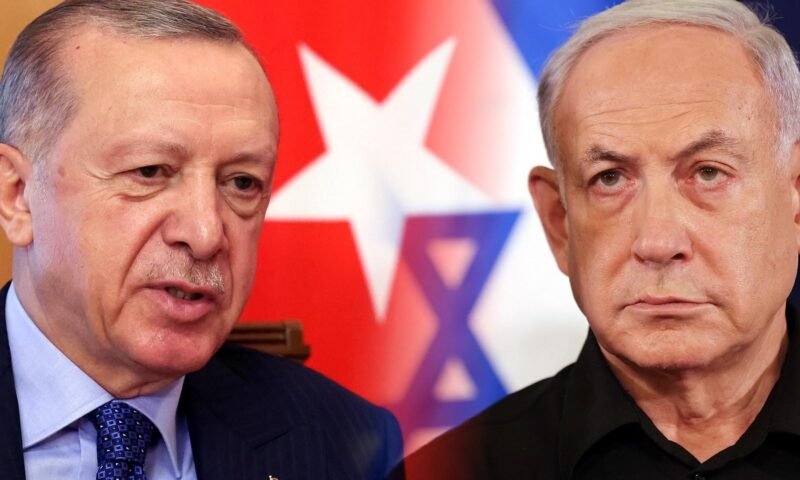
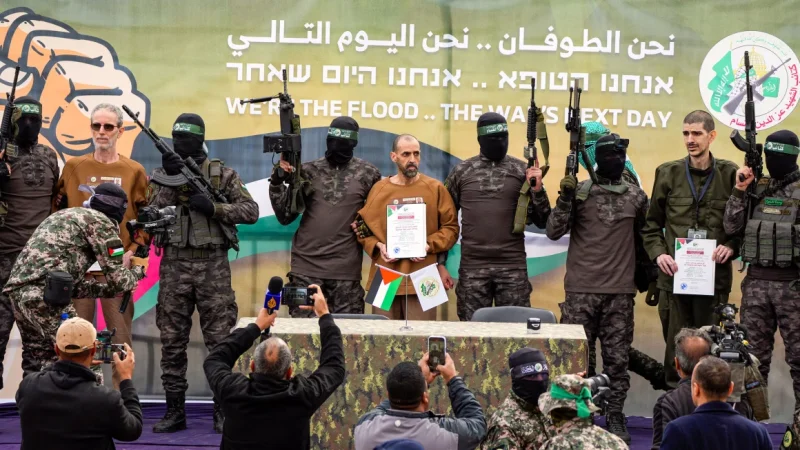
Cyber incidents targeting state institutions, increasingly hostile rhetoric from regional actors, growing online disinformation campaigns, and intensified political polarization all emerged during a period when Somaliland’s international profile expanded significantly.
Each event may have different immediate causes, and direct links should not be assumed without evidence. Collectively, however, they suggest a broader pattern: Somaliland is becoming more relevant to regional strategic competition.
This matters because the Horn of Africa is no longer a peripheral theater. The security of the Red Sea has become intertwined with global trade, energy routes, naval deployments, and great-power rivalry.
Every government positioned along those corridors now carries greater geopolitical weight than it did only a few years ago.
Recognition therefore changes more than diplomatic status. It changes threat calculations.
For policymakers, this requires a shift in mindset. Traditional security models focused primarily on defending territory against conventional threats.
The new environment demands resilience against hybrid pressure: cyber operations, disinformation, economic coercion, political influence campaigns, and attempts to exploit domestic divisions.
These methods are attractive precisely because they avoid direct military confrontation while still imposing strategic costs.
Internal unity becomes the decisive variable.
History demonstrates that external pressure succeeds most often when domestic institutions are fragmented. Foreign actors rarely create political divisions from nothing; they amplify existing disagreements.
Democratic debate remains essential in any constitutional system, but prolonged polarization over issues of national strategy can unintentionally provide opportunities for outside influence.
This is why intelligence services increasingly describe national cohesion as a strategic asset rather than merely a political aspiration.
For Somaliland, the challenge is no longer simply achieving international visibility. That milestone has begun to materialize.
The more difficult task now is managing the consequences of being seen.
Recognition opens doors that decades of isolation kept closed. It also exposes the country to competitors who previously had little reason to invest political, informational, or economic resources in shaping Somaliland’s trajectory.
Whether that visibility ultimately strengthens or weakens Somaliland will depend less on external actors than on the resilience of its institutions, the discipline of its political leadership, and the ability of society to distinguish legitimate democratic debate from attempts to manipulate national divisions.
Recognition, in other words, is not the end of Somaliland’s strategic journey.
It is the beginning of a far more demanding phase.
Strategic Assessment: Nations rarely become strategically important without attracting strategic resistance. The true measure of statecraft is not whether pressure emerges after diplomatic success, but whether national institutions possess the resilience to absorb that pressure without abandoning their long-term objectives.
By WARYATV Intelligence Desk
waryatv@waryatv.com
Strategic Assessments examine major geopolitical developments, separating events from implications and identifying the forces shaping what comes next.