US Africa Command faces strategic crossroads under Trump’s foreign policy priorities and rising global competition.
The future of the United States Africa Command (AFRICOM) hangs in the balance as global dynamics and political shifts in Washington test its relevance and functionality. Founded in 2007 to counter transnational threats and protect American interests in Africa, AFRICOM’s operational strategy combines military interventions, diplomatic outreach, and development initiatives. However, resistance from African nations, competition with global powers, and uncertainties about Donald Trump’s foreign policy create new hurdles.
Born out of post-9/11 security imperatives, AFRICOM is the only US military command dedicated to a specific continent. It has focused on combating terrorism, responding to humanitarian crises, and building security partnerships with over 40 African nations. Exercises like Phoenix Express 2024 underscore its efforts to strengthen maritime security and regional cooperation.
However, the command’s presence has always been contentious. Major African powers, such as South Africa, Algeria, and Libya, have repeatedly rejected hosting AFRICOM’s headquarters, forcing it to remain in Stuttgart, Germany. This refusal reflects deep skepticism about foreign military bases and fears of neocolonialism.
AFRICOM’s operations have faced mounting challenges, particularly as rival powers like Russia and China expand their influence on the continent. Russia, through military contracts, energy deals, and partnerships with groups like Wagner, has displaced France in parts of the Sahel. China, meanwhile, has entrenched itself economically with massive infrastructure investments under the Belt and Road Initiative.
Additionally, AFRICOM’s credibility has suffered setbacks, such as its role in the 2011 NATO intervention in Libya, which destabilized the region. Recent developments in Niger, where US troops were expelled and drone bases shut down, further exemplify the growing resistance to Western military influence.
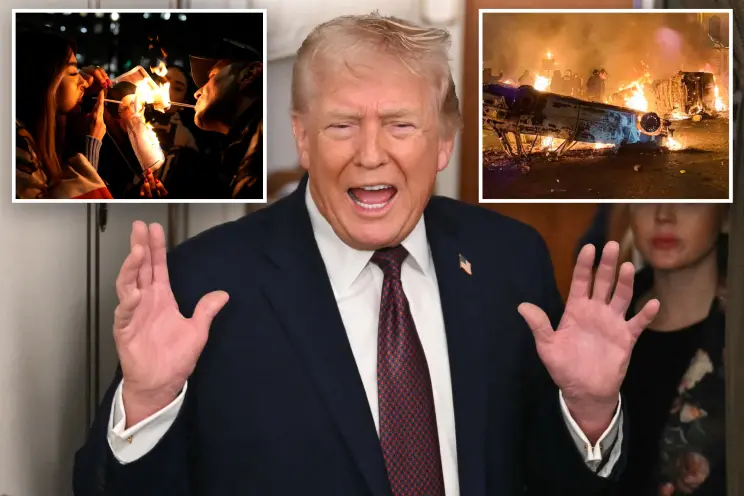
Donald Trump’s likely second term could bring further uncertainty to AFRICOM. His disdain for foreign engagements, controversial remarks about African nations, and prioritization of domestic economic policies could limit US involvement on the continent. During his first term, Trump reduced foreign aid and imposed immigration restrictions on African nations, actions unlikely to endear the US to African leaders.
However, AFRICOM’s evolving mission to counter China and Russia might align with Trump’s hawkish stance on Beijing. The growing strategic importance of Africa, both as a theater of competition and as a source of critical resources, could ensure AFRICOM’s survival. Trump’s administration may even broaden its operations to include more robust economic and military measures to counteract rivals.
AFRICOM’s future lies in its ability to adapt to a rapidly changing landscape. Its success depends on rethinking its approach to African partnerships, focusing on cooperation rather than control. Initiatives rooted in shared development goals, such as infrastructure, technology, and education, could soften its militaristic image and bolster its legitimacy.
Despite its challenges, AFRICOM’s relevance remains clear. As global powers vie for influence and Africa’s geopolitical importance grows, the command’s role as a stabilizing force will likely endure. However, to thrive, it must navigate not only African resistance but also an unpredictable Trump presidency and an increasingly multipolar world.
AFRICOM’s survival and effectiveness depend on striking a balance between countering global adversaries and respecting Africa’s sovereignty. Whether it can achieve this amid rising geopolitical tensions and Trump’s potential leadership remains to be seen.