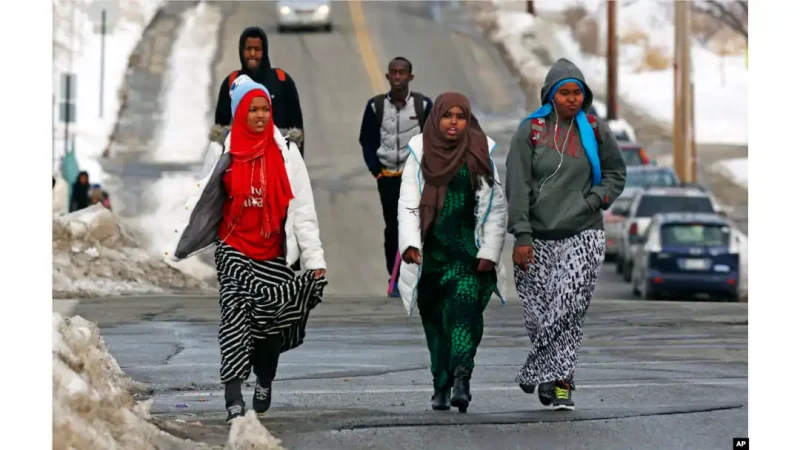
The recent threats against the Abubakar As-Sadique Islamic Center in Minneapolis underscore the ongoing vulnerabilities faced by Muslim institutions in the United States. The mosque, a vital hub for the Somali community in South Minneapolis, was targeted by extremist groups through social media, prompting law enforcement to take immediate action to ensure its security. These incidents highlight both the resilience of the local Muslim community and the persistent risks of targeted hostility faced by minority groups.
The mosque’s leadership, supported by the Somali community, has shown remarkable composure and solidarity in the face of these threats. While temporary suspensions of educational activities like Quran classes were a necessary precaution, the swift resumption of these programs reflects the community’s determination to maintain normalcy despite challenges. Mosque manager Mohamed Hambaase emphasized the importance of police intervention, which included taking over security at the mosque and increasing surveillance in the surrounding area. This proactive response by law enforcement is critical in restoring a sense of safety and addressing the immediate concerns of the community.
These threats are part of a broader pattern of hostility directed at Muslim institutions across the country. Similar incidents have highlighted the dangers posed by extremist ideologies, often fueled by hateful rhetoric and misinformation. The 2016 foiled plot in Kansas serves as a grim reminder of the catastrophic potential of unchecked extremism. The parallels between that case and the current threats against the Minneapolis mosque underline the urgent need for vigilance, community cooperation, and robust law enforcement measures to preempt such risks.
The Abubakar As-Sadique Islamic Center is not merely a place of worship but a cultural and educational cornerstone for the Somali community in Minnesota. Hosting events like Quran competitions and Eid celebrations, the mosque serves as a unifying force for the community. Targeting such institutions represents an attack not only on religious freedom but also on the cultural identity and cohesion of the Somali diaspora in the United States.
Local and national leaders have stressed the importance of fostering unity and addressing the root causes of such threats. This includes combating the spread of extremist ideologies online, holding platforms accountable, and ensuring public discourse does not perpetuate division. Community-led awareness campaigns in Minneapolis exemplify how grassroots efforts can complement law enforcement in mitigating risks and promoting inclusivity.
As investigations into the current threats continue, the broader narrative reflects the resilience of Muslim communities in America amid rising challenges. The swift and visible response by law enforcement in Minneapolis sets a positive example of how authorities can effectively address such incidents. However, sustainable solutions require systemic efforts to counter hate and protect vulnerable communities, ensuring that places of worship and cultural significance remain safe spaces for all.