The downing of two US Navy pilots in the Red Sea due to apparent “friendly fire” has brought to light significant challenges surrounding operational coordination during high-stakes missions. While both pilots survived the incident, the mishap highlights the inherent risks of complex military operations in a region fraught with escalating tensions.
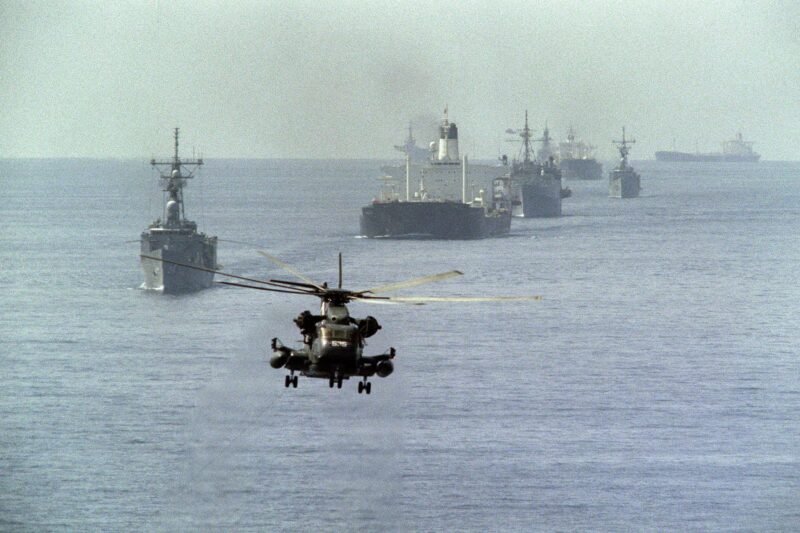
According to the US Central Command, the guided-missile cruiser USS Gettysburg mistakenly fired on an F/A-18 fighter jet flying off the aircraft carrier USS Harry S. Truman. Although the exact circumstances remain unclear, this occurred during US airstrikes targeting Houthi rebel positions in Yemen. This raises questions about situational awareness, communication, and coordination within the Carrier Strike Group.
Friendly fire incidents, while rare, underscore the difficulties of conducting multi-asset operations in high-pressure environments. The incident suggests either a miscommunication between naval units or a failure in target identification systems, both of which require urgent investigation to prevent recurrence.
The Red Sea, a critical global shipping corridor, has become a hotspot for military activity. Iran-backed Houthi forces have targeted international vessels and launched missiles against Israel, prompting US and allied retaliatory strikes. Amid these tensions, American forces are tasked with protecting maritime routes, deterring Houthi aggression, and safeguarding regional allies.
The intensity of operations in this volatile environment amplifies the risks of miscalculation. The incident serves as a stark reminder of the complexities involved in coordinating air, naval, and ground operations in such a crowded theater.
The Red Sea incident reflects the complexities of modern military engagements where multi-domain operations must function in unison. While the survival of the pilots is a relief, the mishap serves as a cautionary tale of the operational risks inherent in high-tension environments. For the US, maintaining credibility in the region requires not only robust action against adversaries like the Houthis but also minimizing self-inflicted errors that undermine its strategic objectives.