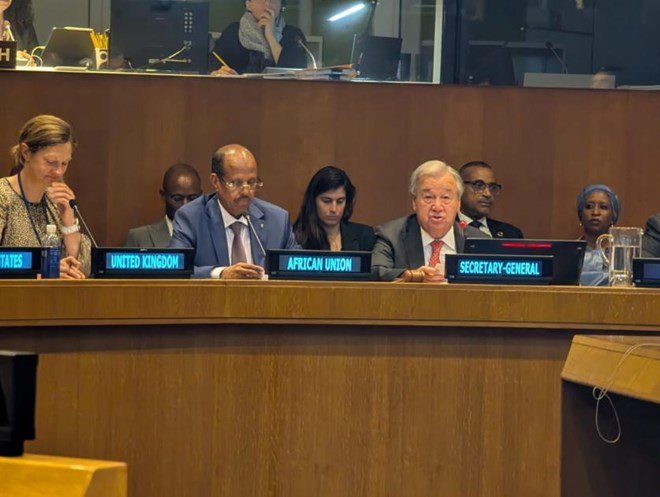
Raila Odinga and Mahamoud Ali Youssouf emerge as frontrunners in a high-stakes contest for leadership of the African Union Commission.
The race to succeed Chad’s Moussa Faki Mahamat as president of the African Union Commission (AUC) has entered its decisive phase, with East Africa positioned to take the helm. Among the three contenders—Djiboutian Foreign Minister Mahamoud Ali Youssouf, former Kenyan Prime Minister Raila Odinga, and Madagascar’s former Foreign Minister Richard Randriamandrato—Odinga and Youssouf have emerged as the primary competitors in a contest shaped by regional alliances, pan-African ambitions, and global power dynamics.
Djibouti’s Mahamoud Ali Youssouf: The Diplomatic Strategist
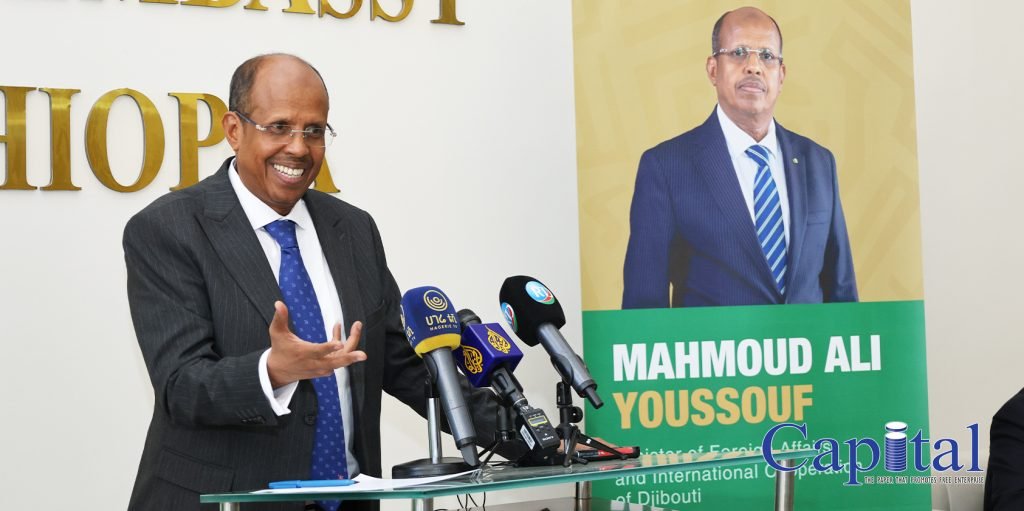
At 58, Youssouf is leveraging his multilingual abilities and extensive diplomatic experience to position himself as a unifying figure capable of bridging Africa’s linguistic and regional divides. In a recent debate, Youssouf emphasized his vision for reducing reliance on foreign partnerships to address security challenges and advocated for economic independence through a clearing payment system and a potential single African currency.
Youssouf’s campaign centers on a promise to “silence the guns” across the continent, presenting himself as a pragmatic leader focused on reducing conflict and fostering regional integration. His performance in the December debate reportedly shifted momentum in his favor, making him a serious contender against the initially favored Odinga.
Kenya’s Raila Odinga: A Visionary Leader with Western Backing
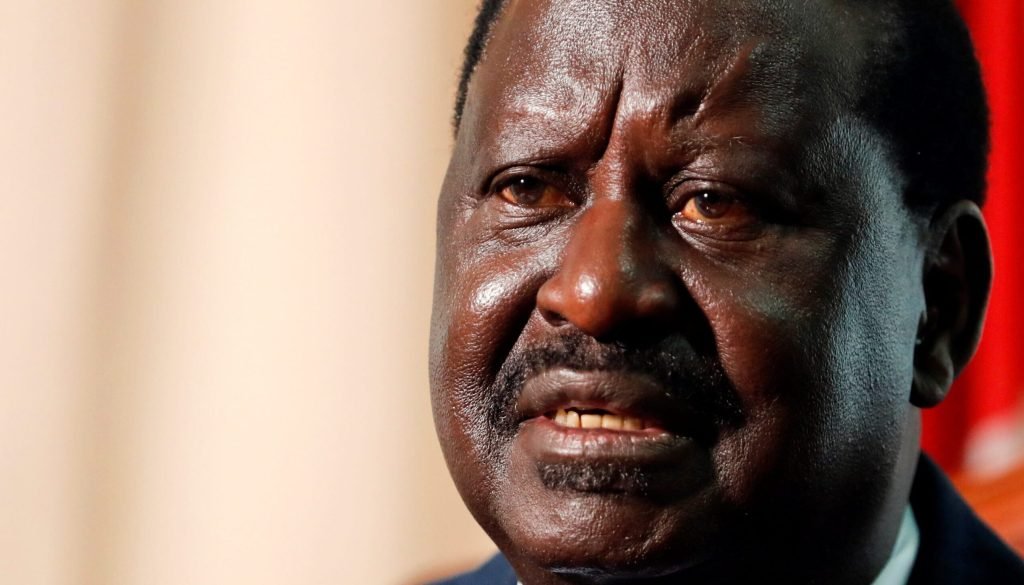
Raila Odinga, a veteran politician and five-time presidential candidate in Kenya, has focused his campaign on economic transformation, intra-African trade, and agricultural development. His ties to the United States, including Kenya’s designation as a major non-NATO ally, provide him with significant geopolitical leverage.
Odinga’s candidacy benefits from Kenya’s strategic alignment with the U.S., exemplified by its role in the Ukraine Defense Contact Group and its prominence in countering Chinese and Russian influence in Africa. President William Ruto has actively championed Odinga’s bid, seeing it as an opportunity to elevate Kenya’s international stature while potentially sidelining a key political rival ahead of Kenya’s 2027 elections.
Madagascar’s Richard Randriamandrato: The Underdog with Pan-African Aspirations
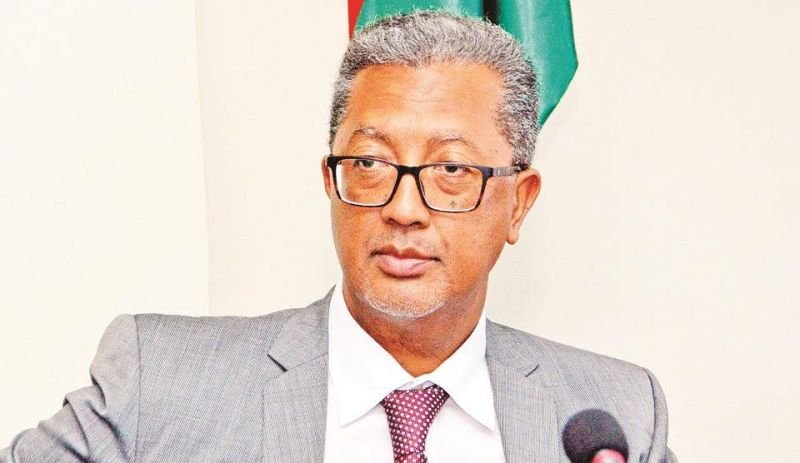
While less prominent than his counterparts, Randriamandrato brings experience in finance and diplomacy to the table. His platform emphasizes tackling global challenges such as climate change, food security, and advocating for Africa’s inclusion on the United Nations Security Council. Despite his credentials, his campaign has been overshadowed by the high-profile rivalry between Odinga and Youssouf.
The outcome of the AUC presidency race carries significant implications for Africa’s role on the global stage. If Odinga secures the position, Kenya’s strong Western ties could reinforce U.S. and European influence in the region. Conversely, Youssouf’s pragmatic approach and focus on reducing external dependencies could resonate with countries wary of over-reliance on foreign powers.
However, the election also underscores deeper geopolitical tensions. The Biden administration’s support for Kenya highlights its growing concern over China’s expanding footprint in Africa and Russia’s influence through military partnerships. A Kenyan-led AUC could bolster U.S. efforts to counter these influences while reinforcing Africa’s integration into Western-led global initiatives.
The February vote will determine more than the next leader of the African Union Commission; it will shape Africa’s political trajectory, regional integration, and alignment with global powers. As the candidates work to secure the critical two-thirds majority, the contest reflects not only the aspirations of East Africa but also the broader stakes of international competition for influence on the continent.