As Russia eyes naval bases in the Gulf of Aden-Red Sea region, Djibouti and Somaliland emerge as critical battlegrounds in the great power struggle.
Russia’s geopolitical chessboard is shifting in the Horn of Africa, where Djibouti and Somaliland are emerging as potential alternatives to Sudan for a long-sought naval base. With Sudan’s internal chaos stalling Russia’s military presence, Moscow is now reacting to shifting dynamics rather than shaping them—but that doesn’t mean it lacks a strategy.
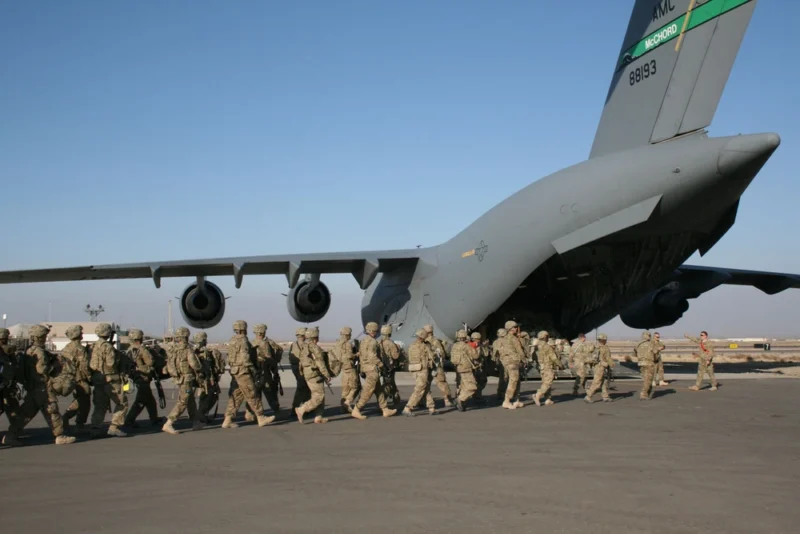
At the heart of Russia’s calculations lies a critical uncertainty—whether the U.S. will maintain its Djibouti military base or shift operations to Somaliland upon recognizing it. If Trump follows through on his Project 2025 agenda, Washington could abandon Djibouti, creating an opening for Russia to swoop in—just as it did in Niger after the U.S. exit.
But if the U.S. stays in Djibouti, Russia will likely pivot to Somaliland instead, possibly formalizing diplomatic and military ties in exchange for strategic investments. While no concrete reports confirm such a move, Russia’s willingness to defy Mogadishu by engaging Hargeisa hints at deeper intentions.
Russia’s “pragmatic reactionary” approach is about leveraging existing tensions—between Djibouti and the U.S., between Somalia and Somaliland, and between Sudan’s competing factions. By positioning itself as a counterweight to Western influence, Moscow isn’t just looking for a naval base—it’s aiming to reshape Red Sea security in its favor.
With Washington, Beijing, and Ankara already competing in the region, the Gulf of Aden-Red Sea chess match just got a new grandmaster. Will Moscow pull off a strategic checkmate, or is it merely chasing shadows in a U.S.-dominated game? The answer may shape the future of military balance in East Africa.