For Somaliland and its neighbors, the outcomes of this exercise will dictate future diplomatic choices and security strategies…
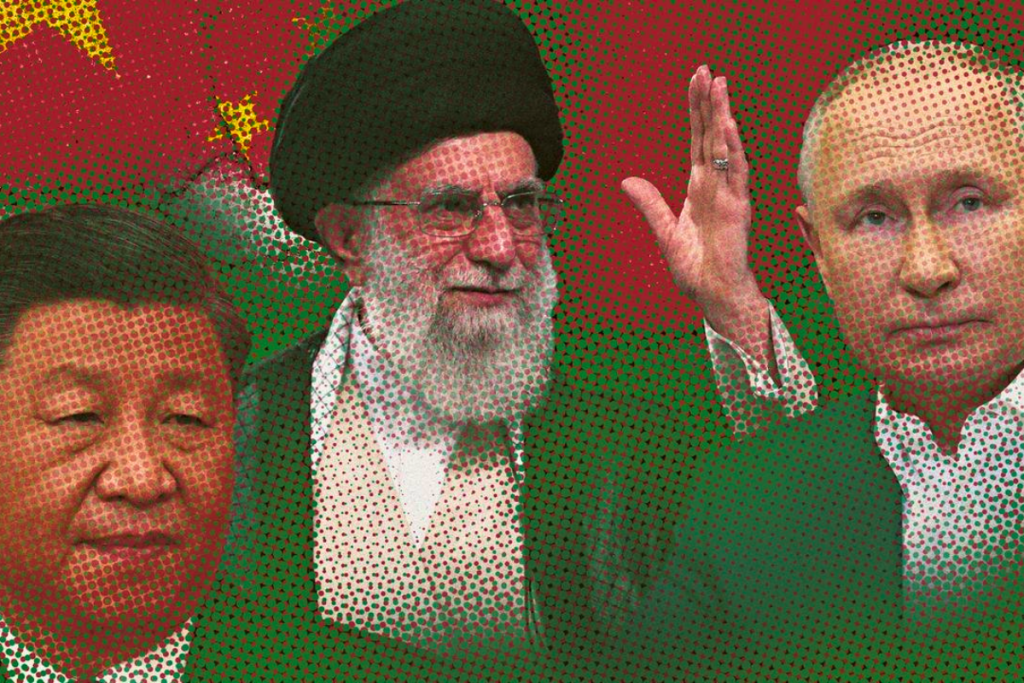
The Horn of Africa is once again at the epicenter of global attention as Iran, Russia, and China unveil their joint naval exercise, Security Belt-2025, set to take place near the Iranian port of Chabahar in the strategic waters of the Gulf of Oman. This maneuver, underscored by the participation of formidable naval powers, is not merely a demonstration of maritime prowess but a significant geopolitical statement in an increasingly multipolar world.
Chabahar, situated in Iran’s Sistan-Baluchistan province, is emblematic of more than just geographic strategy. It represents a critical juncture in the Belt and Road Initiative and serves as a vital counterbalance to Pakistan’s Gwadar Port, further bolstered by Chinese investments. The port’s choice as the locus for Security Belt-2025 highlights its growing importance as a hub of trade and military logistics, projecting Iran’s readiness to safeguard vital shipping lanes against perceived Western encroachments.
The backdrop to this exercise is a tapestry of escalating tensions and regional power plays. The United States’ pivot to Asia, coupled with relentless pressure on Iran over its nuclear ambitions and support to Russia amid the ongoing conflict in Ukraine, sets a precarious stage. Security Belt-2025 is thus a clear riposte to the West, signifying a deepening of military and strategic ties among the trio, aimed ostensibly at securing energy routes and establishing a counterfoil to NATO’s maritime activities.
The scope of the exercise—featuring advanced missile cruisers, destroyers, and a suite of joint operational tactics from anti-piracy to search and rescue operations—underscores a comprehensive approach to maritime security. This tripartite force aims to showcase its capability not just in defense but in a potential offensive posture that spans from the Strait of Hormuz to the broader Indian Ocean, sending ripples through global naval strategies.
While the immediate goal of Security Belt-2025 is to fortify military cooperation, the broader implications are profound. For regional neighbors and global powers alike, the exercise is a bellwether for Iran, Russia, and China’s readiness to challenge the status quo, potentially reshaping security alignments in the Horn of Africa and beyond. Countries like Saudi Arabia, India, and the UAE, closely watching, must recalibrate their policies in a region where traditional alliances are being tested by the day.
As Security Belt-2025 unfolds, it will be crucial to monitor the strategic dialogues it precipitates within international forums and between regional stakeholders. The exercise not only reaffirms Iran, Russia, and China’s commitment to a shared security vision but also poses a strategic dilemma for the United States and its allies, who may see this as a call to reinforce their naval and diplomatic engagements in the region.
In essence, Security Belt-2025 is more than a routine naval drill; it is a geopolitical maneuver crafted to assert influence and signal capability in a world where global power balances are rapidly shifting. For Somaliland and its neighbors, the outcomes of this exercise will dictate future diplomatic choices and security strategies, as they navigate the turbulent waters of the Horn of Africa’s political landscape.