Embassies struck. Oil refineries targeted. Militias entering the war. The conflict is no longer confined to two countries.
The war between Israel, the United States and Iran widened sharply Monday as Iranian-backed militias joined the confrontation, missiles struck diplomatic and energy targets, and casualties mounted across multiple countries.
Iran and allied groups launched attacks on Israel and several Gulf states hosting American forces. In Kuwait City, fire and smoke were seen rising from inside the U.S. Embassy compound after reported missile or drone impacts. Kuwait’s defense ministry said several American warplanes crashed in the country, though it did not specify the cause. The U.S. military has not publicly confirmed those details.
Iranian officials said at least 555 people have been killed nationwide since the U.S.–Israeli air campaign began, with more than 130 cities reportedly struck. Israeli authorities said 11 people have been killed there in missile attacks.
In Iraq, a pro-Iranian militia claimed responsibility for drone strikes targeting U.S. forces at Baghdad’s airport and previously at Irbil. In Lebanon, Hezbollah said it fired missiles into Israel, prompting extensive Israeli retaliatory strikes that Lebanese authorities say killed at least 31 people.
Energy infrastructure has now entered the battlefield. Saudi Arabia’s Ras Tanura refinery — one of the world’s largest — was targeted by drones, which Saudi defenses said were intercepted. Kuwait and the United Arab Emirates also reported debris and damage linked to aerial interceptions.
Analysts say the strategy appears designed to impose economic pressure. “Gulf energy infrastructure is now squarely in Iran’s sights,” said Torbjorn Soltvedt of Verisk Maplecroft, warning of prolonged uncertainty for global oil markets. Roughly one-fifth of global oil trade passes through the Strait of Hormuz, where maritime tensions are rising.
Meanwhile, Iran’s envoy to the International Atomic Energy Agency accused Washington and Tel Aviv of striking safeguarded nuclear facilities, including Natanz. The United States and Israel have not publicly confirmed those claims.
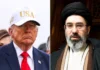
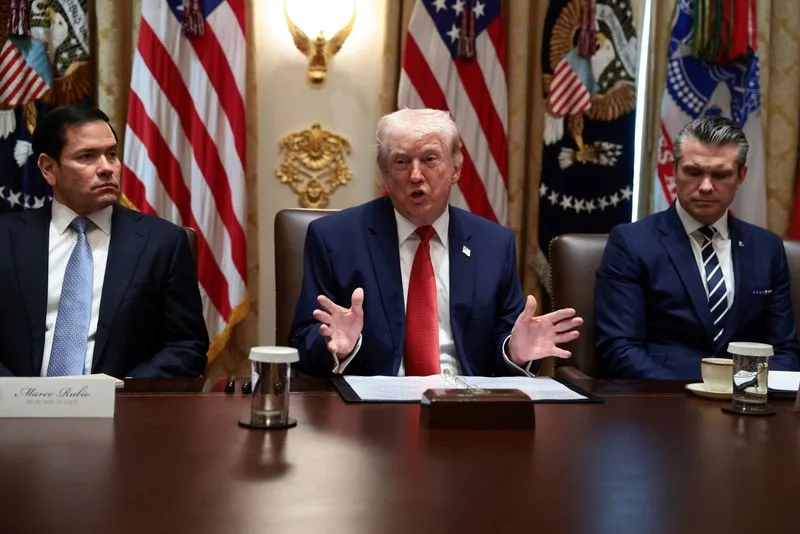
President Donald Trump said U.S. combat operations would continue “until all objectives are achieved,” adding that further retaliation would be met with force. Britain, France and Germany signaled support for efforts to halt Iranian attacks but urged de-escalation.
The World Health Organization called for the protection of civilians and medical facilities as fighting spreads. With regional militias now active and oil infrastructure under threat, the conflict has entered a broader and more volatile phase — one that risks drawing in additional states and further destabilizing global markets.