Presidents Trump and Putin’s discussion leads to a temporary cessation of hostilities against Ukraine’s energy sectors, with comprehensive talks on the horizon.
US President Donald Trump and Russian President Vladimir Putin have agreed to a temporary suspension of attacks on Ukraine’s energy and infrastructure facilities. This agreement, reached during a 90-minute phone call on Tuesday, marks a potential turning point, paving the way for further negotiations aimed at a comprehensive ceasefire.
According to official statements from both Washington and Moscow, the two leaders discussed the immediate cessation of hostilities targeting critical infrastructure in Ukraine for the next 30 days. This move is intended to precede a maritime ceasefire in the Black Sea, followed by a full ceasefire. Negotiations are scheduled to commence promptly in the Middle East, as indicated by the White House.
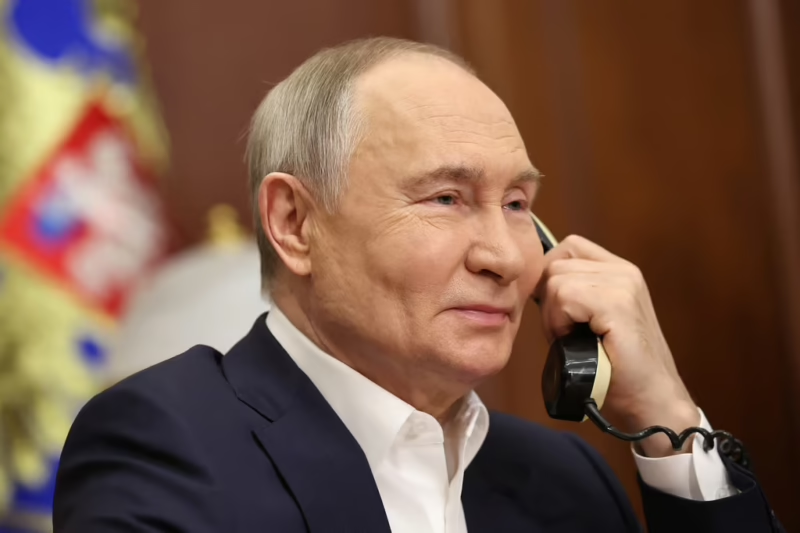
The Kremlin’s announcement highlighted President Putin’s directive to Russia’s military forces to halt their operations against Ukraine’s energy infrastructure, which has been a focal point in the conflict, causing widespread disruption and hardship for Ukrainian civilians.
However, despite this progress, the details suggest a complex path ahead. The Putin administration articulated several conditions for a durable resolution to the conflict, including the cessation of all foreign military assistance to Kyiv and an end to the mobilization efforts in Ukraine. These demands are seen by many as steep obstacles, potentially derailing the prospects for an unconditional ceasefire.
Ukraine’s response, voiced by President Volodymyr Zelenskyy, was cautiously optimistic. Zelenskyy expressed his support for the ceasefire proposal regarding energy and infrastructure and anticipated further discussions to clarify the details of the propositions exchanged between the US and Russia.
Analysts are viewing this development with a mix of skepticism and hope. While the pause in attacks on critical infrastructure is a welcome relief, the broader implications for a lasting peace remain uncertain, given the significant gaps in the positions of the involved parties. The dialogue between Trump and Putin, though substantial, did not yield a definitive agreement on ending the conflict outright.
As the situation evolves, the international community watches closely, hopeful that this initial step towards de-escalation could lead to more substantive negotiations and, ultimately, a resolution to a conflict that has gripped the region and the world.