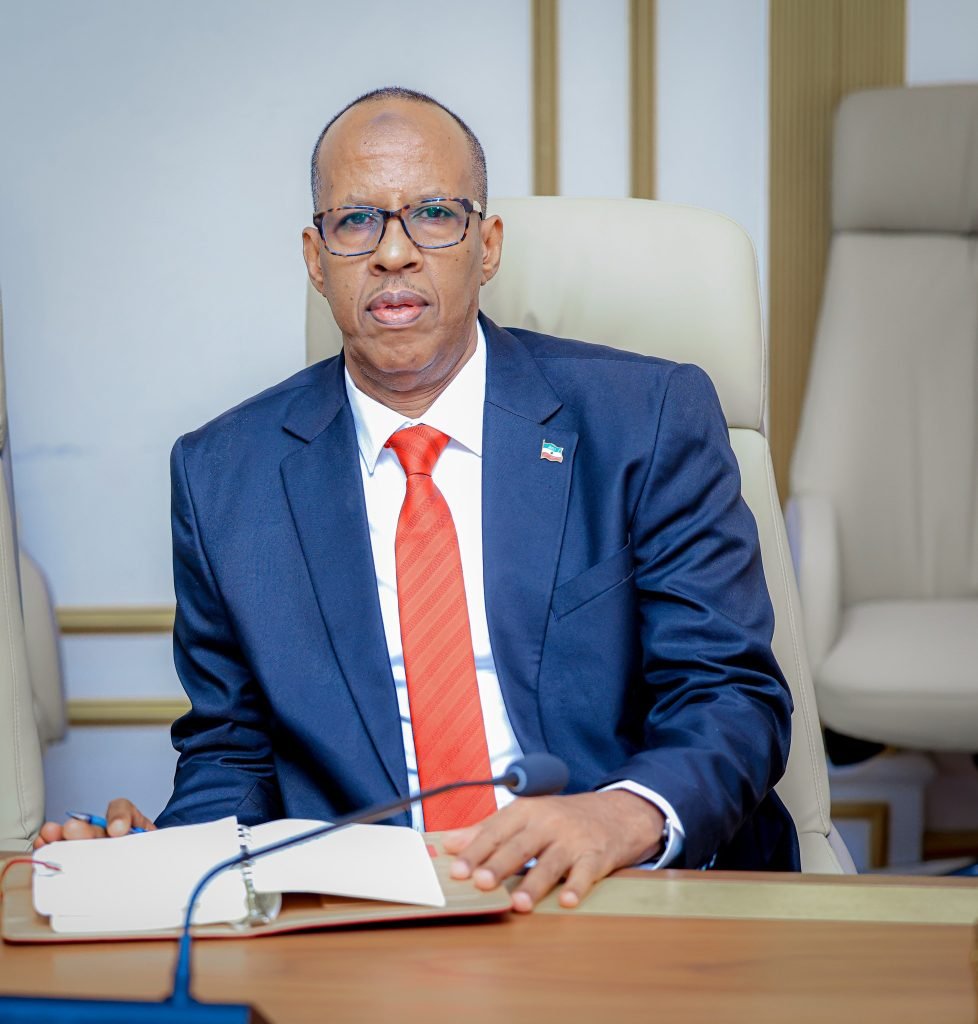
In a watershed meeting at Hargeisa’s Presidential Palace, Somaliland President Abdirahman Irro hosted a nine‑member delegation from the UN‑registered Supreme Council for Arab‑African Economy.
Talks centred on fast‑tracking Gulf‑Horn investment in minerals, agribusiness, logistics and blue‑economy projects, while the Council vowed to open a permanent liaison office in Somaliland to channel fresh capital and expertise into the region’s most stable emerging market.

The red‑carpet reception President Abdirahman Mohamed Abdullahi (Irro) rolled out this week for the Supreme Council for Arab‑African Economy is more than a diplomatic courtesy call; it signals that Somaliland is ready to turn years of quiet stability into a springboard for heavyweight investment from the Gulf and beyond.

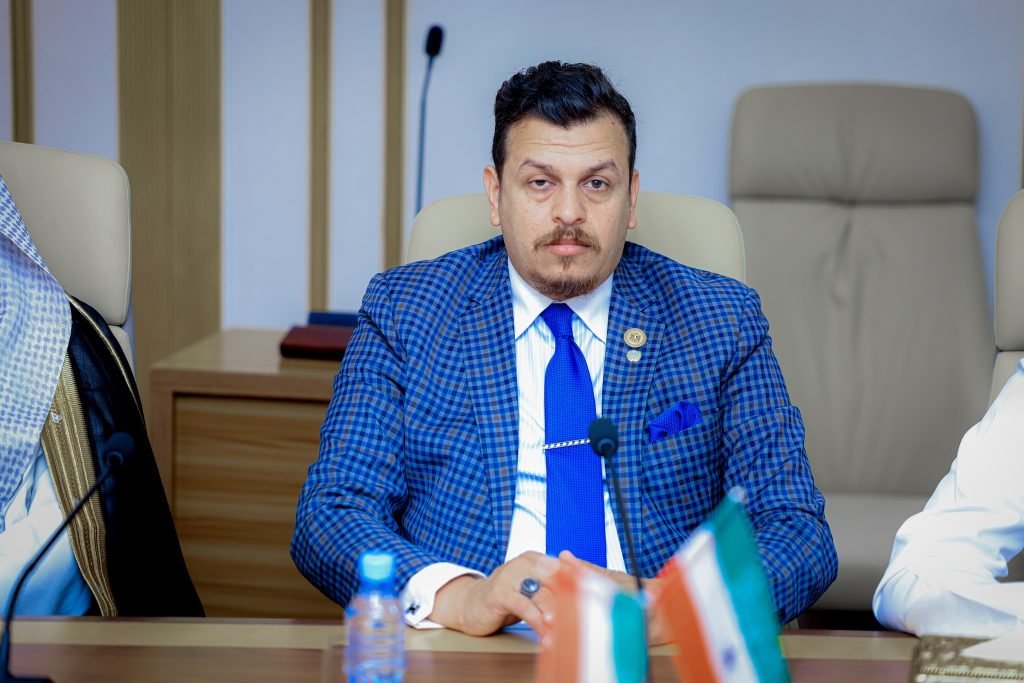
The nine‑person delegation, headed by Council president Dr Hani Hassan Abu Zayd, represents a syndicate of Gulf financiers, African industrialists and sovereign‑fund advisers who collectively manage multi‑billion‑dollar portfolios. Officially registered with the United Nations and headquartered in Saudi Arabia, the Council was created to match surplus Gulf capital with high‑growth African projects.
Its decision to put Somaliland—still awaiting formal international recognition—near the top of its 2025 agenda reflects two hard facts: first, global investors are scrambling for safe beachheads along the Red Sea route, and second, Somaliland’s governance record now compares favourably with many fully recognised states.

Behind closed doors at the Presidential Palace, delegates drilled into sector‑specific opportunities: Berbera’s expanding deep‑sea port could anchor a free‑trade and light‑manufacturing zone linking the Gulf to East‑Africa’s 140 million‑strong consumer market; untapped mineral belts in Togdheer and Sanaag promise export‑grade rare earths, gold and limestone; the little‑exploited 850‑kilometre coastline teems with high‑value pelagic fish; and climate‑smart livestock feedlots could transform Somaliland’s biggest hard‑currency earner into a vertically integrated halal‑meat powerhouse.

For President Irro, the timing is propitious. Since winning office in January, his administration has pushed an “economic diplomacy first” doctrine—locking in political goodwill from Kenya, Qatar and the UAE while sharpening the investment code, streamlining one‑stop licensing and digitising customs. The Supreme Council visit provides the first litmus test of whether those reforms can translate into hard cash.

Minister of Investment Promotion & Industrial Development Saeed Mohamed Buraale laid out a phased engagement strategy for the visitors. Over the next week, each delegate will sit with line ministries and regulators to map financing instruments ranging from joint‑venture equity to Sharia‑compliant sukuk bonds.
A draft memorandum of cooperation is on the table to establish a permanent liaison office in Hargeisa—effectively a Gulf‑Horn investment embassy tasked with shepherding deals from due‑diligence to shovel‑ready ground‑breakings.

The Council’s early signals are bullish. Delegates praised Somaliland’s unbroken three‑decade peace record, its entrenched multiparty elections and an open‑market currency regime that already clears nearly US $2 billion in hawala remittances annually—evidence, they say, that capital can flow in and out unimpeded. Dr Abu Zayd called Berbera “an embryonic Singapore of the Gulf of Aden” and hinted that Gulf‑backed logistics operators are eyeing a dedicated container‑trans‑shipment berth and bonded warehousing.
Still, challenges remain. Formal recognition would unlock concessional finance from the World Bank’s IFC and the African Development Bank—funds Somaliland presently cannot tap. Infrastructure deficits inland could choke supply chains unless parallel road, power and fibre corridors keep pace with port throughput. And regional rivalries are intensifying: Ethiopia’s push for its own Red Sea outlet and Somalia’s latest attempts to project authority into the contested Sool‑Sanaag corridor underscore the geopolitical stakes.

Yet the Council’s footprint could itself shift that balance. A credible Gulf‑Horn capital conduit, underpinned by Saudi, Emirati and Kuwaiti investors keen to diversify beyond hydrocarbons, would reinforce Somaliland’s de‑facto independence by weaving it into the Middle East’s food‑security and energy‑transition strategies. Green hydrogen pilots, solar desalination plants and climate‑resilient sorghum estates—all floated in the Palace meetings—would create anchor assets too valuable for outside spoiler actors to ignore.

As the delegation tours Berbera Free Zone, meets livestock exporters in Burao and inspects limestone cores in the Guban Basin, every handshake carries a subtext: Somaliland is no longer pitching itself as a petitioning aid recipient but as a co‑owner of profitable ventures that can de‑risk Gulf supply chains and feed African growth. The coming months will reveal whether term sheets follow the talking points, yet for now, President Irro has scored a diplomatic and economic coup.
By aligning with an Arab‑African council that speaks the language of market returns, Somaliland has signalled to regional neighbours and distant boardrooms alike that the republic’s real currency is stability—and that it is ready to bank it.