In a shock DFL vote, Somali‑American socialist Sen. Omar Fateh ousts two‑term Mayor Jacob Frey for Minneapolis endorsement, setting up a November showdown.
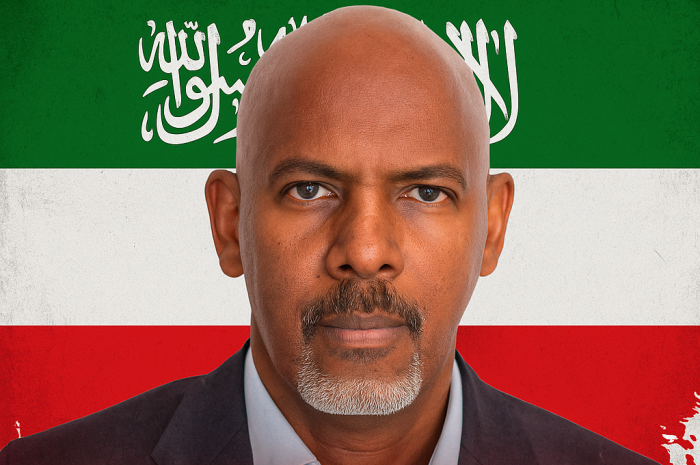
Minneapolis Democrats stunned party regulars this weekend by handing their coveted mayoral endorsement not to two‑term incumbent Jacob Frey but to first‑term state senator Omar Fateh, a 35‑year‑old Somali‑American democratic socialist who vaulted from community‑organising into the Minnesota legislature only four years ago.
Fateh cleared the 60 per cent threshold on a third round of balloting after electronic voting failed and delegates resorted to raised‑hand badge counts; Frey partisans walked out in protest, calling the process “irregular” and vowing to fight on in November’s ranked‑choice election.
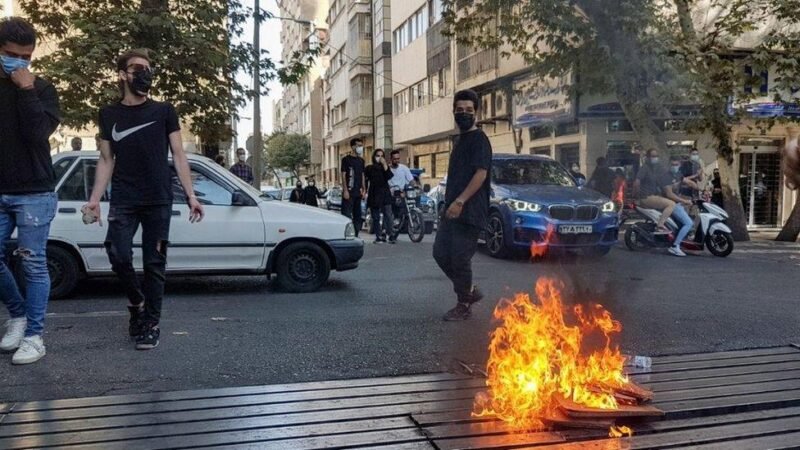
The symbolism is impossible to miss. Frey became a national face of crisis management during the 2020 George Floyd protests, presiding over both a police precinct in flames and a city council that flirted with abolishing the MPD. He survived that maelstrom, tacked to the centre, rebuilt downtown coalitions and won re‑election in 2021.
Yet progressive activists never forgave his refusal to endorse “defund,” and rent‑control advocates bristled at his veto pen. On Saturday, those grievances crystallised behind Fateh, whose platform reads like a municipal corollary to Bernie Sanders: rent stabilisation, a public‑health‑first safety model, higher commercial taxes and an explicit rejection of corporate money.
Fateh’s victory also plants the flag for the city’s fast‑growing Somali and East African diaspora, now a formidable organising bloc. Minneapolis elected Ilhan Omar to Congress in 2018; Fateh, born in Saudi Arabia to Somali parents and raised partly in Virginia, embodies the next generational step—millennial, digitally native, and openly socialist.
His supporters cast the endorsement as a repudiation of incrementalism; Frey allies counter that 1,300 convention delegates hardly reflect 425,000 residents and predict moderates, business owners and public‑safety voters will rally once ballots hit mailboxes.
The November race is formally non‑partisan, and Frey still enjoys name recognition, a downtown donor network and credit for stabilising homicides after a 2021 peak.
But the party‑insider rebuke foreshadows a bruising intra‑left fight that mirrors national Democratic tensions: pragmatic governance versus movement energy, police reform versus abolition rhetoric, market‑led development versus social‑housing guarantees.
If Fateh can translate convention fervour into city‑wide turnout—particularly among renters, students and East African neighbourhoods—Minneapolis could join Chicago’s recent election of progressive Brandon Johnson as a banner win for the party’s socialist flank. If Frey prevails, he will owe no favours to the DFL apparatus that just deserted him.
Either outcome will echo through urban politics well beyond the Twin Cities, signalling whether America’s progressive wave is cresting or simply gathering force.