While the Gulf burns and oil surges, is the Kremlin quietly cashing in?
Rising Oil Prices, Strained U.S. Resources and Ukraine’s Vulnerability Put Russia in a Stronger Position.
The first week of the U.S.-Israeli war against Iran has shaken energy markets, destabilized the Gulf and intensified political pressure on President Donald Trump. But amid the turmoil, one capital appears to be gaining leverage: Moscow.
Russia condemned the February 28 strikes that killed Iran’s Supreme Leader Ali Khamenei, calling them an act of aggression. President Vladimir Putin described the killing as a “cynical murder.” Yet beyond rhetorical solidarity with Tehran, the war’s ripple effects have opened economic and strategic space for the Kremlin.
Oil Windfall
Before the conflict, Russia’s energy outlook was constrained by sanctions and discounted pricing. Oil and gas revenues had dropped significantly as Western measures targeted Moscow’s ability to finance its war in Ukraine.
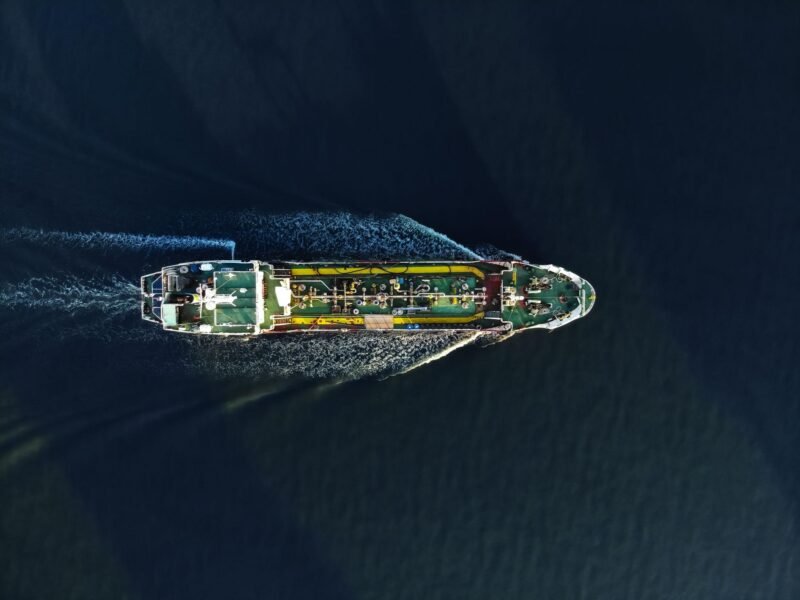
Now, with Gulf supplies disrupted and the Strait of Hormuz under threat, global oil prices have surged. Russian crude, once sold at steep discounts, is reportedly trading at a premium. For a state budget heavily dependent on energy exports, the shift offers immediate relief.
Treasury Secretary Scott Bessent confirmed a temporary waiver allowing India to take delivery of Russian oil already at sea, easing short-term pressure amid rising fuel costs. While framed as a limited measure, the optics reinforce Moscow’s improved position in a tightening market.
Higher prices combined with Gulf uncertainty create favorable conditions for Russia, one of the few producers capable of quickly capitalizing.
Ukraine’s Defense Strain
The Iran war may also indirectly benefit Russia on the battlefield in Ukraine.
Ukraine relies heavily on U.S.-made Patriot air defense systems to intercept Russian missiles and drones. Those same high-cost interceptors are now being used extensively in the Middle East to counter Iranian attacks. European officials, including EU Defense Commissioner Andrius Kubilius, have warned that missile shortages are becoming acute.
Over the weekend, Russia launched one of its largest aerial assaults on Ukraine in months, underscoring Kyiv’s vulnerability as Western stockpiles stretch thinner.
Ukrainian President Volodymyr Zelenskyy has offered Gulf states expertise in countering Iranian drones — systems Russia has used extensively in Ukraine — but the broader imbalance remains.
Intelligence and Strategic Distraction
Reports from U.S. media outlets suggest Russia has shared targeting intelligence with Iran related to American military assets. The White House has not confirmed operational details but has downplayed the impact.
For Moscow, even limited involvement carries upside. Prolonged U.S. engagement in the Middle East risks draining resources, fracturing political focus and diverting attention from Ukraine. As analyst Robert Person notes, any development that “degrades America’s projection of power” shifts the geopolitical balance incrementally in Russia’s favor.
Calculated Gains
Russia may risk losing influence if Iran’s regime collapses. But in the near term, elevated oil prices, stretched U.S. arsenals and global distraction from Ukraine serve Kremlin interests.
Wars create destruction for some — and opportunity for others. In this unfolding conflict, Moscow appears positioned to absorb fewer costs while harvesting strategic dividends.
The longer the war drags on, the more those dividends may compound.