One phone call. Three wars. And oil at the center of it all.
U.S. Weighs Easing Russian Oil Sanctions as Leaders Discuss Iran Conflict and Ukraine Ceasefire.
U.S. President Donald Trump and Russian President Vladimir Putin spoke by phone Monday about the war in Iran, prospects for peace in Ukraine and the growing strain on global energy markets, as Washington considers easing sanctions on Russian oil to stabilize prices.
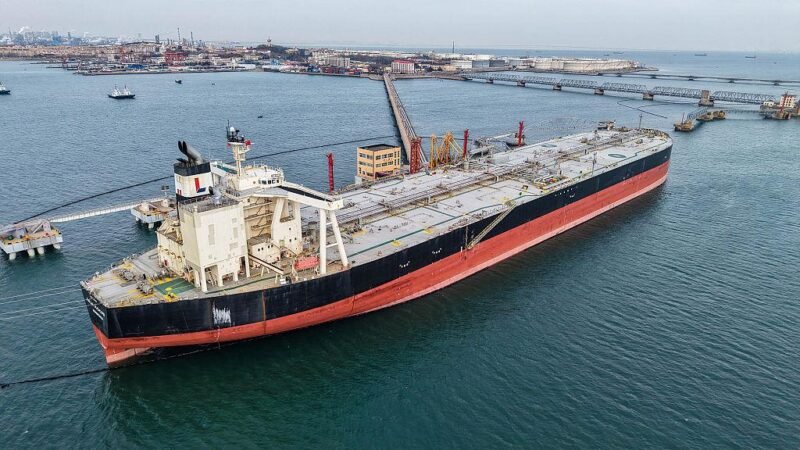
The call — their first publicly confirmed conversation this year — came amid sharp volatility in oil markets triggered by the U.S.-Israeli assault on Iran and Tehran’s threats to disrupt shipping through the Strait of Hormuz, a chokepoint that carries roughly 20 percent of global crude supplies.
Speaking at his golf club in Florida, Trump described the conversation as “very good,” saying Putin expressed interest in helping reduce tensions in the Middle East. “I said you could be more helpful by getting the Ukraine-Russia war over with,” Trump told reporters, signaling that ending the Ukraine conflict remains a U.S. priority.
Earlier Monday, Putin warned that the Iran conflict risked triggering a full-scale global energy crisis. He cautioned that oil production dependent on transit through the Strait of Hormuz could grind to a halt if fighting escalates further. Russia, the world’s second-largest oil exporter, is positioned to benefit from any prolonged disruption.
Against that backdrop, the Trump administration is weighing options to ease certain oil-related sanctions on Russia, according to sources familiar with internal discussions. The aim would be to increase global supply and cool prices that have surged since the outbreak of the Iran war. Any move could include targeted exemptions for countries such as India, which rely heavily on discounted Russian crude.
Trump confirmed that his administration was reviewing “certain oil-related sanctions” to help bring prices down but did not specify which countries would benefit.
The potential shift presents a delicate balancing act. Loosening restrictions could help stabilize markets and lower fuel costs, but it risks undermining efforts to restrict Moscow’s revenue stream as the war in Ukraine drags on.
Putin, meanwhile, reiterated that Russia remains open to long-term energy cooperation with Europe if political conditions allow — a signal that Moscow sees opportunity in the current turmoil.
The call underscores a widening geopolitical realignment driven by energy. As conflict in the Middle East collides with unresolved fighting in Ukraine, oil flows — and the leverage they create — are once again shaping diplomacy at the highest level.