U.S. Weighs More Warships and Possible Kharg Island Move as Gulf Conflict Expands.
Oil surges. Missiles fly. Allies clash — with words and warships.
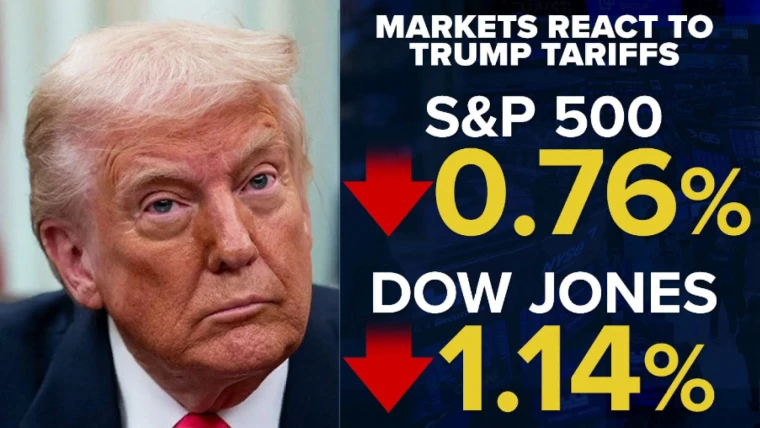
President Donald Trump has lashed out at NATO allies, branding them “cowards” for refusing to help reopen the Strait of Hormuz, as Washington reportedly prepares to send additional warships and thousands of troops to the Middle East.
In a social media post, Trump accused European partners of benefiting from American military action against Iran while declining to share the burden of securing one of the world’s most critical maritime chokepoints. “Without the U.S.A., NATO IS A PAPER TIGER!” he wrote, arguing that reopening the strait would be “a simple military maneuver.”
The rhetoric comes as U.S. media report that the Pentagon is considering options that include occupying or blockading Iran’s Kharg Island — a small but strategically vital export terminal responsible for roughly 90% of Iran’s oil shipments. Any such move would carry significant risks, placing American forces within range of Iranian drones and rockets in a confined coastal environment.
The Pentagon has already deployed the 31st Marine Expeditionary Unit, a rapid-response force of about 2,200 marines, aboard the USS Boxer, which departed earlier than scheduled. Officials have not disclosed specific mission parameters.
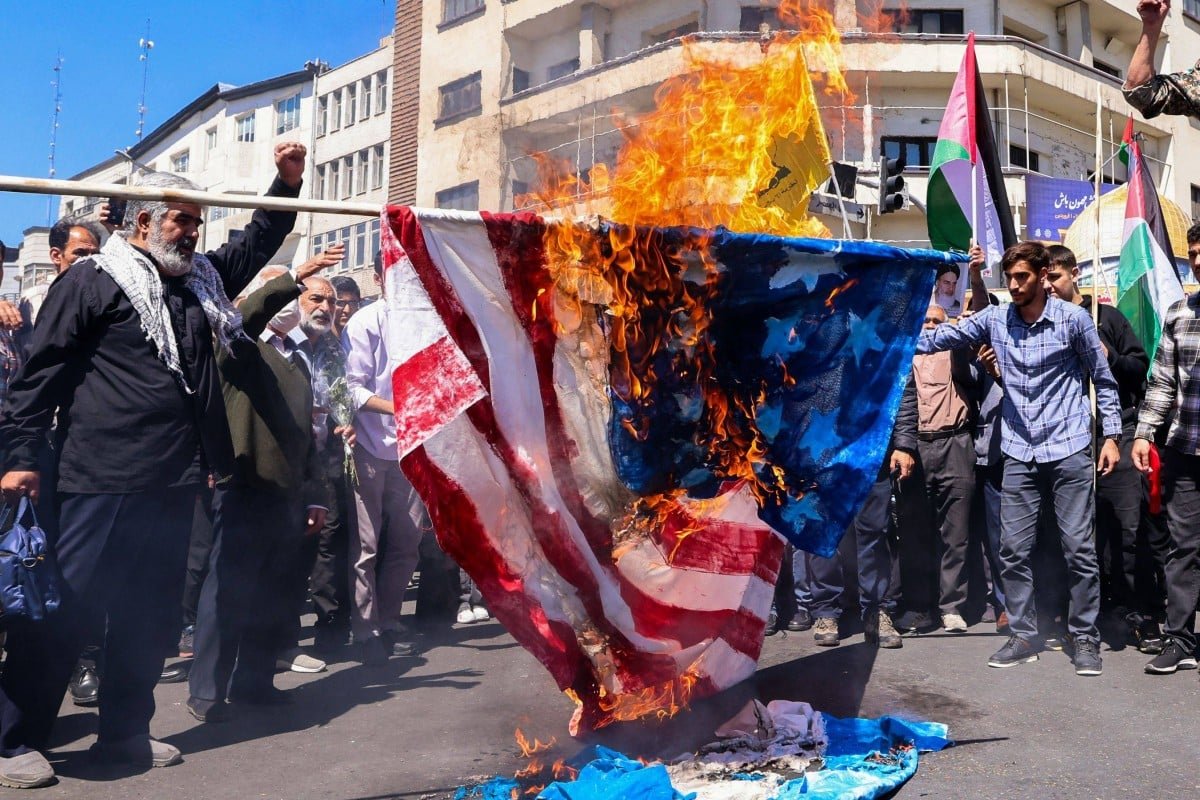
The conflict continues to widen. Iranian drone strikes reportedly hit Kuwait’s Mina al-Ahmadi refinery, while U.S. and Israeli forces struck Iranian cargo vessels in Gulf ports. Explosions were heard in Dubai as air defenses intercepted incoming rockets. In Israel, missile warnings sounded over Jerusalem.
Iran’s military has issued direct threats against U.S. and Israeli personnel worldwide, warning that “tourist and entertainment centres” could become unsafe. Meanwhile, energy infrastructure across the Gulf has been repeatedly targeted, sending oil and gas prices sharply higher.
Trump has previously said he had no intention of putting “boots on the ground,” yet the shifting posture — from expanded naval deployments to potential control of Iranian export facilities — signals how fluid the strategy remains.
British and other European leaders have expressed reluctance to join offensive operations, calling instead for de-escalation. Public opinion in several NATO countries remains skeptical of deeper involvement.
As the fourth week of war approaches, the strategic picture is increasingly complex. Washington is pushing to secure maritime trade and apply pressure on Tehran’s energy lifeline. Allies are wary of escalation. Iran continues to strike back.
The Strait of Hormuz remains partially paralyzed — and the political divide between the United States and some of its closest partners is now as visible as the military standoff in the Gulf.