Iran says “no talks”—but it’s reviewing the deal. The contradiction could decide the war.
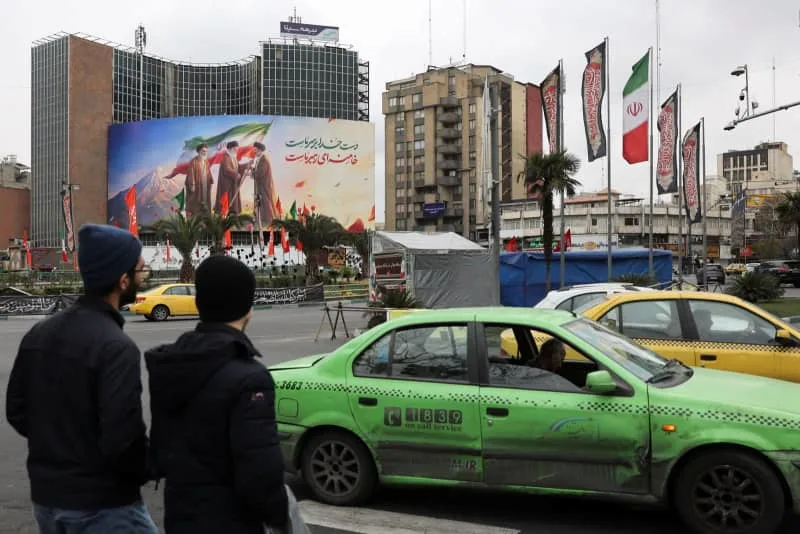
Iran is signaling a cautious, calculated shift—reviewing a U.S. proposal to end the war while publicly denying that negotiations are taking place.
Foreign Minister Abbas Araghchi made the position explicit: messages are being exchanged through intermediaries, but that does not constitute talks with Washington. The distinction is more than semantic—it reflects Tehran’s effort to preserve political leverage while keeping diplomatic options open.
Behind the scenes, the process is moving.
A 15-point proposal from Donald Trump has been delivered via intermediaries, outlining a framework that would require Iran to dismantle key elements of its nuclear and missile programs and scale back regional influence. In return, Washington is reportedly offering sanctions relief and a path to ending the conflict.
Tehran’s response is neither acceptance nor rejection—it is conditional engagement.
Iranian officials have indicated that any agreement must include broader guarantees: an end to military operations, protection against future attacks, and inclusion of regional fronts such as Lebanon. These demands reflect a wider strategic view, where the war is not confined to Iran’s borders but extends across its network of allies and influence.
That gap remains the central obstacle.
On one side, Washington seeks to constrain Iran’s capabilities and regional reach. On the other, Tehran is pushing for recognition of its role and security guarantees that extend beyond a simple ceasefire. Bridging those positions will require compromises neither side has yet shown willingness to make.
Meanwhile, the war continues unabated.
U.S. and Israeli officials say they have significantly degraded Iran’s military infrastructure, with thousands of targets struck and major portions of its naval and missile capabilities reduced. Yet Iran retains the ability to respond asymmetrically—launching drones and missiles, disrupting shipping routes, and threatening new fronts, including the Bab al-Mandab Strait.
That asymmetry is shaping the negotiations.
Iran’s leverage lies less in conventional strength and more in its ability to expand the conflict’s cost. By threatening key maritime corridors and regional stability, it has turned the war into a global economic issue—one that influences markets as much as military planning.
Financial markets have already reacted.
Reports of the U.S. proposal briefly eased oil prices and lifted equities, signaling how sensitive global economies have become to even tentative signs of de-escalation. But that optimism remains fragile, dependent on progress that has yet to materialize.
At the political level, mistrust runs deep.
Trump has portrayed Iran as eager for a deal but constrained by internal pressures, while Iranian officials publicly dismiss negotiations altogether. Both narratives serve domestic and strategic purposes, but they also complicate efforts to build a coherent diplomatic path.
The result is a negotiation without acknowledgment.
Messages are exchanged, positions are tested, and proposals are reviewed—but without formal talks, clear timelines, or shared expectations. It is diplomacy conducted in the shadows, shaped as much by perception as by substance.
For now, the trajectory remains uncertain.
Iran is reviewing the proposal. The United States is maintaining pressure. The war is ongoing.
And the outcome will depend on whether this indirect engagement can evolve into something more concrete—before the dynamics of the battlefield overtake the possibilities of diplomacy.