They left for jobs. They returned in coffins. Africa’s role in Ukraine is no longer hidden.
YAOUNDÉ — Cameroon has confirmed that 16 of its nationals have died while fighting for Russia in the war in Ukraine, highlighting a growing and largely opaque flow of foreign recruits into the conflict.
In a formal memo to the Russian Embassy, Cameroon’s foreign ministry said Moscow had verified the deaths of the soldiers, who were deployed in what Russia describes as its “special military operation.” Authorities said they had begun contacting families of the deceased, while also summoning relatives of additional nationals in Russia for urgent consultations.
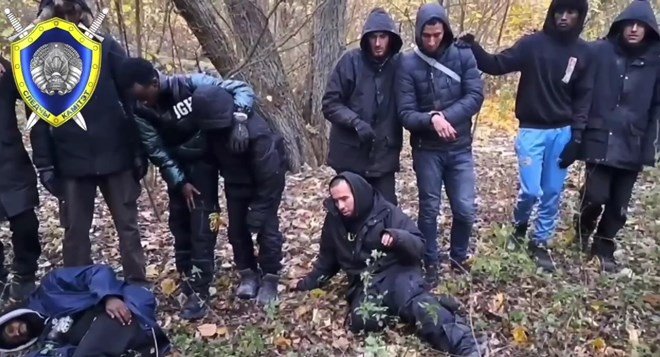
Ukrainian officials estimate that more than 1,700 Africans have been recruited to support Russian forces, often through misleading offers of employment or training. Several African governments have raised concerns that citizens are being drawn into the war under false pretenses, only to be deployed to front-line combat roles.
In Kenya, lawmakers were told earlier this year that around 1,000 citizens had been recruited under similar circumstances. Nigeria has also reported casualties, while investigations have found African women recruited into Russia’s defense sector through deceptive work-study programs, including roles in drone assembly.
For individuals facing limited opportunities at home, offers of overseas work can be difficult to verify. For Russia, the recruitment of foreign nationals provides a supplementary manpower pool as the conflict stretches into its third year.
In 2025, its defense ministry ordered emergency measures to prevent defections among military personnel, signaling concern over the growing number of soldiers leaving for foreign engagements. The confirmed deaths are likely to intensify scrutiny of recruitment networks operating across the continent.
While African governments officially maintain neutrality or limited engagement in the Ukraine war, their citizens are increasingly present on the battlefield—often without formal state authorization or oversight.
What began as isolated reports has evolved into a pattern of recruitment, deployment and casualties that links distant African communities to one of the world’s most consequential conflicts.
For policymakers, the challenge is no longer hypothetical.
It is immediate: how to prevent exploitation, protect citizens and address the quiet expansion of a war that is reaching far beyond its original borders.