Negotiators are talking—but also watching their backs. If Islamabad fails, the war could return fast.
The high-stakes negotiations between the United States and Iran in Islamabad have entered a tense new phase, where diplomacy is unfolding alongside mounting security fears and the looming risk of renewed conflict.
For the first time in years, elements of direct engagement have emerged between the two sides. The U.S. delegation, led by JD Vance, is facing off with Iranian officials headed by Mohammad Bagher Ghalibaf. Pakistan is playing host and mediator, aiming less for a breakthrough than for preventing total collapse.
But beyond the negotiating rooms, a darker layer of risk is shaping the talks.
Iran has publicly warned of what it calls “incitement to state terrorism,” pointing to commentary in U.S. policy circles suggesting that Iranian negotiators could be targeted if talks fail. Tehran has framed such rhetoric as a dangerous escalation—one that blurs the line between diplomacy and political violence.
Security measures reflect those fears. Pakistani authorities have effectively locked down key zones of the capital, deploying extensive checkpoints, surveillance, and rapid-response units. The precautions are driven not only by concerns over militant attacks or regional spillover, but also by the possibility of targeted strikes aimed at derailing the talks.
Reports circulating in regional media suggest Iran has taken extraordinary steps to protect its delegation, including the use of decoy flights—though such claims remain unverified.
The anxiety is not without precedent. The early phase of the war saw high-profile assassinations of senior Iranian figures, setting a tone that continues to influence Tehran’s threat perception.
Still, there is no credible evidence supporting extreme claims that Iranian nationals broadly face coordinated targeting in Pakistan. Officials view such narratives as exaggerations fueled by an already volatile environment.
What remains real is the risk if diplomacy fails.
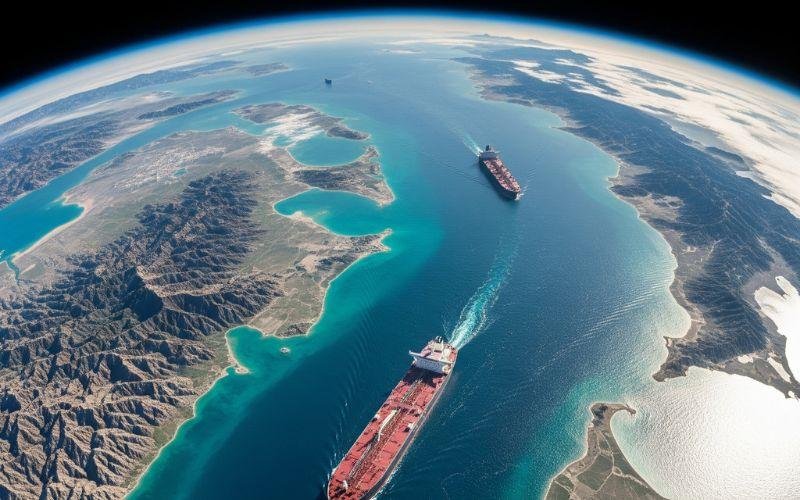
At the center of the talks lies the unresolved dispute over the Strait of Hormuz, which Iran has used as leverage throughout the conflict. A breakdown in negotiations would likely trigger renewed pressure on the waterway, disrupting global energy flows and reigniting economic shockwaves.
Washington has signaled little tolerance for prolonged stalemate. Donald Trump has repeatedly warned of large-scale strikes if Iran does not fully reopen Hormuz, while Israel continues military operations in Lebanon outside the scope of the ceasefire.
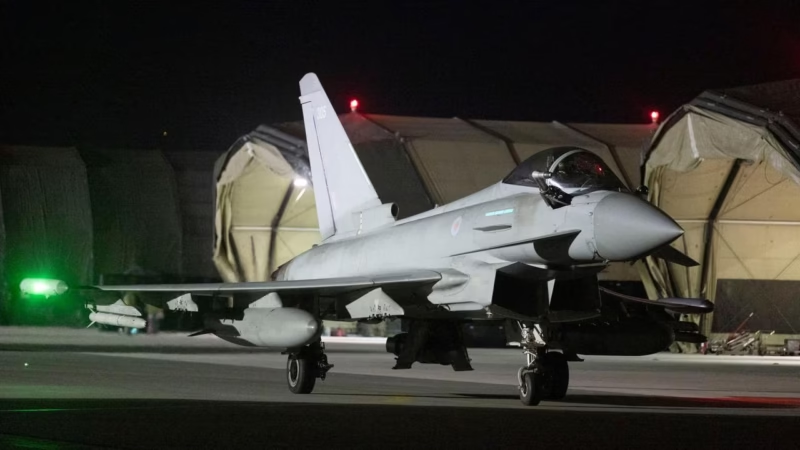
The likely trajectory, analysts say, is not immediate all-out war—but rapid escalation: missile exchanges, proxy activation, and renewed attacks on regional infrastructure.
Longer term, failure in Islamabad could harden positions on both sides. In Tehran, it would strengthen arguments for accelerating nuclear capabilities under a more hardline leadership. In Washington, it would reinforce a shift back toward coercive pressure.
For now, the talks continue under tight security and heavy expectations.
The outcome may not deliver peace—but it will determine whether the current pause holds, or whether the conflict returns with greater intensity.