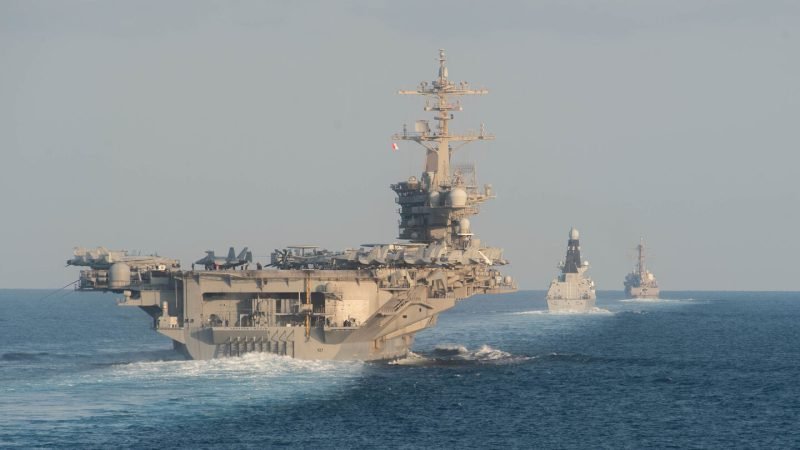
If Israel and Saudi Arabia begin coordinating more closely against the Houthis, Berbera could become a valuable maritime-security platform—but strategic relevance would bring military exposure, diplomatic pressure and difficult choices for Somaliland.
What an Israeli–Saudi Security Alignment Would Mean for Somaliland and Berbera
Berbera’s geography is becoming more valuable
An Israeli–Saudi security alignment against the Houthis would place Somaliland beside one of the emerging centres of Middle Eastern strategic cooperation.
Berbera sits on the Gulf of Aden, across from Yemen and along the maritime approaches to Bab el-Mandeb. From this location, surveillance systems could monitor shipping movements, suspicious coastal activity, drone launches and maritime threats affecting the Red Sea corridor.
Israel’s recognition of Somaliland in December 2025 transformed this geographic value into a formal diplomatic opportunity. Israel subsequently appointed an ambassador, while the two governments identified agriculture, health, technology, economic development and security as potential areas of cooperation.
Saudi Arabia has not recognized Somaliland. Nevertheless, the Houthi threat could create practical interests that operate below the level of formal diplomatic recognition.
A possible maritime-awareness platform
The most realistic role for Berbera would not initially be a large Israeli or Saudi combat base. It would be a maritime-awareness and logistical platform.
Radar, satellite links, coastal sensors and unmanned reconnaissance systems positioned around Berbera could improve monitoring of the Gulf of Aden. Information could be shared with partners through American or Emirati channels, allowing Saudi Arabia and Israel to benefit without requiring a publicly declared bilateral operation in Somaliland.
The UAE is particularly important. It maintains close relations with Somaliland, operates commercial infrastructure through DP World and possesses security relationships with both Israel and Saudi Arabia. Abu Dhabi could become the practical bridge connecting Berbera to a wider regional early-warning network.
Reports have claimed that military infrastructure is being developed around Berbera for possible Emirati, American and Israeli use. However, Somaliland’s president told Reuters in February that no agreement establishing an Israeli military base had been concluded. Proposed deployments must therefore be identified as scenarios—not confirmed arrangements.
Economic opportunity—and military exposure
Greater security coordination could attract investment in Berbera Port, its economic zone, aviation infrastructure and the corridor connecting Somaliland with Ethiopia. Secure shipping lanes would also strengthen Berbera’s claim to become a regional logistics alternative.
But the same alignment could make the city more visible to hostile actors.
The Houthis have demonstrated an ability to threaten airports, ports and energy infrastructure far beyond Yemen. Their latest campaign against Saudi aviation shows that civilian facilities can become instruments of coercion.
If Berbera hosted foreign surveillance, interception or combat capabilities, the Houthis—or another Iranian-aligned network—could present the port as a legitimate military target. Even an unsuccessful strike could raise insurance costs, discourage investors and interrupt essential Somaliland imports.
WARYATV assessment
Israeli–Saudi coordination could make Berbera economically and strategically indispensable. It could also turn Somaliland from an observer of the Red Sea conflict into a participant.
The correct policy is controlled cooperation: support navigation security, early warning and defensive surveillance while preserving Berbera’s commercial neutrality. Somaliland’s objective must be to convert geography into investment, recognition and protection—not inherit another region’s war.