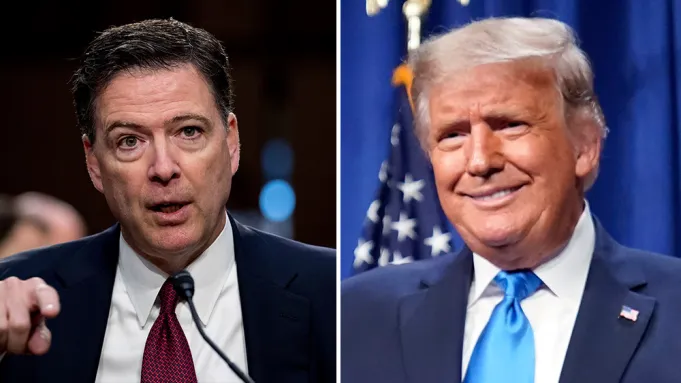
The resurgence of the South African anti-apartheid struggle song “Dubul’ ibhunu” (“Kill the Boer”) has triggered a global political controversy, after Elon Musk tweeted his alarm about what he called a “white genocide” being promoted at a political rally by Julius Malema’s Economic Freedom Fighters (EFF). U.S. President Donald Trump amplified the message, and Secretary of State Marco Rubio escalated it further, turning a decades-old liberation chant into a diplomatic flashpoint.
But is this song truly a call for genocide? Or is it being leveraged for political gain in a broader ideological battle?
A Song from the Struggle
“Dubul’ ibhunu” emerged in the 1980s at the height of South Africa’s anti-apartheid struggle. It is a toyi-toyi chant with a simple refrain: “shoot the Boer,” with Boer being a term historically used to refer to white Afrikaner farmers, but also more broadly associated with apartheid oppression. The song, critics argue, incites violence. Supporters say it is a symbolic expression of resistance.
Julius Malema has made the song a centerpiece of EFF rallies, using it to project revolutionary authenticity. In Malema’s political branding, it represents a rejection of post-apartheid compromises and a push for radical economic transformation.
Legal and Cultural Debate
South African courts have wrestled with whether the song constitutes hate speech. After initial rulings against Malema, more recent judgments, including by the Supreme Court of Appeals in 2024, found the song does not incite real-world violence against white South Africans, but serves a symbolic political function. The court emphasized the importance of historical context, asserting that the song must be understood as part of South Africa’s liberation legacy.
The Musk-Trump-Rubio Reaction
For Musk, Trump, and Rubio, the song has become a rallying cry in the fight against what they frame as the excesses of progressive racial politics. Rubio even extended an invitation to Afrikaners to immigrate to the U.S., suggesting they are under threat in South Africa.
However, statistical data does not support claims of a genocide. South Africa experiences high overall levels of violent crime, but the number of white farmers killed annually is a fraction of the broader national homicide rate. Afrikaner rights group AfriForum itself acknowledges this, even as it campaigns for more protections for white minorities.
Why Now?
The timing is politically loaded. South Africa’s 2024 election resulted in the ANC losing its majority for the first time, and Malema’s EFF has gained ground. Globally, the far-right is using South Africa as an example of what they claim are the failures of racial reconciliation and affirmative governance policies.
For Trump, this issue fits squarely within his 2025 campaign themes: anti-DEI sentiment, migration politics, and the framing of “white persecution” abroad as a warning for the U.S. For Musk, who often wades into cultural flashpoints, it is a matter of both personal origin and ideological positioning.
A Battle of Symbols
“Kill the Boer” has become more than a song. It’s now a proxy in a global debate over race, memory, and power. For South Africans, it remains entangled in a raw historical legacy. For Americans, it’s being weaponized in partisan cultural battles. The danger lies not in the lyrics themselves, but in how political actors on all sides exploit them.
What remains essential is clarity: protest chants are not policies. Historical symbols should not be mistaken for current threats. And rhetorical outrage should not replace the hard work of justice, reconciliation, and truth.