Markets Breathe—But Don’t Relax: Hormuz Reopens Under Shadow of U.S. Pressure.
Global energy markets reacted swiftly—and sharply—after Abbas Araghchi announced that the Strait of Hormuz had been fully reopened to commercial shipping.
Oil prices plunged within hours. Brent crude fell toward $88 a barrel in London, while U.S. benchmark West Texas Intermediate dropped to around $84. European natural gas prices followed, tumbling nearly 10% as traders rushed to price in a potential easing of one of the most severe supply disruptions in recent years.
The market reaction was immediate because the stakes are enormous. Roughly one-fifth of the world’s oil flows through the narrow strait, making any disruption a global economic shock. For weeks, the Iran conflict had throttled supply chains, driven freight costs higher, and pushed energy prices into volatile territory.
Yet beneath the headline optimism, uncertainty remains.
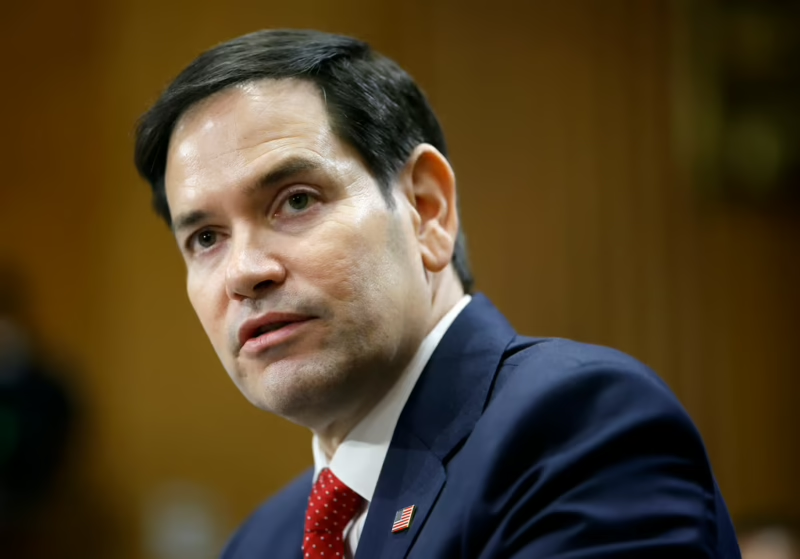
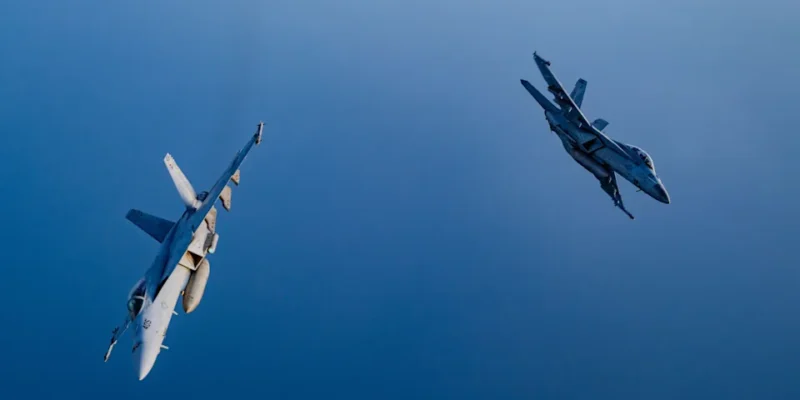
While Tehran declared the passage open, Donald Trump quickly undercut the sense of resolution, insisting that the U.S. naval blockade targeting Iranian shipping would remain in force until a broader deal—centered on Iran’s nuclear program—is finalized.
That contradiction is now shaping market psychology. Traders are betting on de-escalation, but hedging against renewed disruption.
Analysts note that the reopening may be partial in practice. Shipping routes appear concentrated along Iran’s coastline, and confidence among commercial operators remains fragile. Tanker companies are returning cautiously, wary of sudden policy shifts or security incidents that could again close the corridor.
The price moves also reflect deeper structural pressure. During the crisis, middle distillates—diesel and jet fuel—were hit hardest, with some prices dropping as much as 16% as supply expectations improved. Meanwhile, algorithm-driven traders rapidly unwound bullish positions, accelerating the downward momentum.
Still, the longer-term outlook is far from settled. The International Energy Agency has warned that damage to energy infrastructure across the Gulf could take up to two years to fully repair, suggesting that supply constraints may linger even if the immediate crisis fades.
Diplomacy is now the key variable. Reports of potential U.S.-Iran talks—and even discussions around sanctions relief in exchange for nuclear concessions—have added to the sense that a deal could be within reach. But mixed messaging from Washington has injected volatility, with policy signals shifting rapidly alongside market reactions.
For now, the reopening of Hormuz has delivered a short-term reprieve. But the underlying reality is more complex: the strait may be open, yet the geopolitical risk premium has not disappeared.
Energy markets are no longer reacting just to supply and demand. They are trading on Politics, perception, and the next move in a conflict that remains unresolved.