Renewed Strikes on Iran Would Reach Somaliland Through Food and Fuel Prices
Somaliland may never be struck, yet households could still pay for an Iran war through fuel, water, transport and food.
Renewed American or Israeli strikes on Iran would threaten Somaliland primarily through markets, not missiles. Higher oil prices, disrupted refined-fuel supplies, maritime insurance charges and expensive freight would move rapidly from the Gulf into Somaliland’s transport system—and eventually into the price of food, water and electricity.
A complete closure of the Strait of Hormuz or Bab el-Mandeb is not required. Uncertainty alone can make ships, fuel and trade finance more expensive.
The market is already pricing escalation
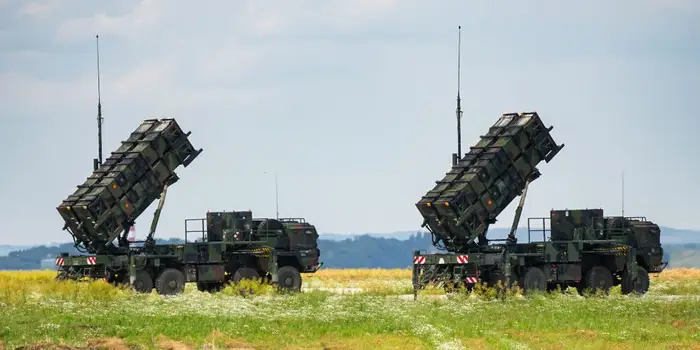
Iran is preparing what Reuters describes as a broader retaliation if large-scale attacks resume, potentially involving allied armed groups in Yemen, Iraq and Lebanon. Meanwhile, Washington is reinforcing its regional military presence and diplomacy remains uncertain.
Brent crude settled at $102.31 a barrel on October 1 after rising more than 4 percent. It traded near $101.61 early on October 2. Three tankers were also reportedly struck by unidentified projectiles in the Strait of Hormuz.
These movements matter because Somaliland is a price-taker. It cannot influence international oil prices, insurance markets or the terms demanded by foreign suppliers.
Somaliland’s food system depends on imported volume
Somaliland’s 2024 trade bulletin recorded approximately 398,649 tonnes of rice, 400,394 tonnes of wheat flour, 492,753 tonnes of sugar and 51.3 million litres of cooking oil entering during the year. These figures measure annual imports—not consumption, available stocks or emergency reserves—and should not be treated as proof of present supply.
Domestic production offers only a limited cushion. The 2025 Gu/Karan cereal harvest in northwestern areas was estimated at 2,700 tonnes, 65 percent below the 2010–2024 average and the lowest since 1995.
That imbalance makes household food access highly sensitive to external cost shocks.
Fuel multiplies across the economy
More expensive diesel does not remain at the petrol station. It raises the cost of moving containers from Berbera, trucking food to Hargeisa and inland districts, pumping water, operating generators, milling grain and refrigerating medicine and perishable food.
UNCTAD has warned that longer routes and higher freight rates can cascade into food prices, with vulnerable import-dependent economies carrying the greatest burden.
Berbera would remain physically accessible from the Indian Ocean even if Hormuz were severely disrupted. But that would not protect Somaliland from global oil-price increases, fuel scarcity, cautious shipping companies or higher insurance premiums around Yemen and the Red Sea.
Preparation must begin before shortages
The government should immediately obtain verified commercial stock figures, calculate essential-use fuel coverage and publish aggregate—not company-sensitive—days-of-supply estimates.
Emergency planning should protect fuel for water systems, hospitals, food transport, electricity and telecommunications. Authorities should also agree temporary procurement arrangements, diversify suppliers and monitor wholesale fuel, freight and staple-food prices weekly.
Blanket price controls could discourage imports and create hidden shortages. Targeted support for vulnerable households and essential services would be safer.
WARYATV Assessment
Renewed strikes on Iran would not need to reach Somaliland territory to damage Somaliland households. The first warning would be a freight quotation, a fuel invoice or a rising sack of rice.
Somaliland’s central vulnerability is not merely dependence on imports. It is the absence of publicly verified information showing how long essential stocks would last under a prolonged regional disruption. In a Red Sea war, secrecy and poor preparation could become as dangerous as scarcity.
Houthi Conflict Could Raise Risks for Berbera, Zeila and Maydh Fishermen