The announcement that the top leader of Daesh (ISIS) has allegedly relocated to Somalia marks a significant shift in the global fight against terrorism. This development raises critical questions about the future of U.S. strategy in the Horn of Africa and the broader implications for international security.
The U.S. has intensified its focus on militant groups in Somalia following intelligence reports that ISIS’s top leader, Abu Hafs al-Hashemi al-Qurashi, has traveled from Syria or Iraq to Yemen and potentially into Somalia’s Puntland region. This move signals a strategic relocation, underscoring ISIS’s intention to expand its influence in Africa.
Somalia has long been plagued by militant groups, with Al-Shabaab being the most prominent. However, the recent influx of ISIS fighters and operatives from Yemen has bolstered IS-Somalia’s capabilities, making it a formidable threat. The group’s leader in Somalia, Abdul Qadir Mu’min, was targeted by a U.S. airstrike last month, but his fate remains uncertain.
U.S. officials are increasingly concerned about ISIS’s activities in Somalia, particularly its role in international finance and its potential to serve as a new operational base. A senior U.S. defense official noted that ISIS leaders view Africa as a fertile ground for their operations, offering more freedom and opportunities to expand.
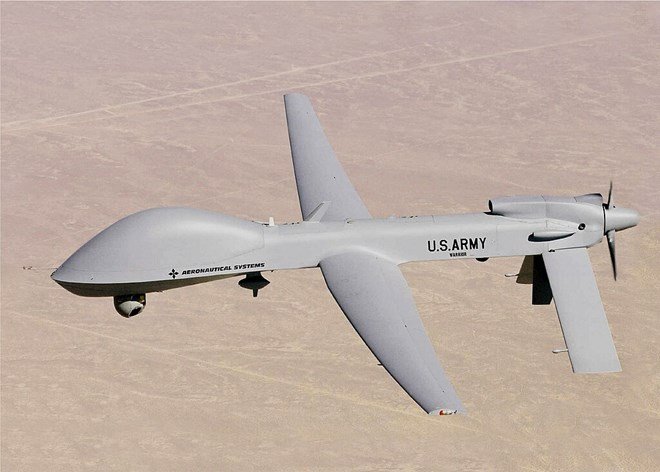
The U.S. strategy in Somalia is multifaceted and controversial. The use of airstrikes and special operations forces to target militant leaders has been effective in disrupting terrorist activities but has also raised questions about sovereignty and civilian casualties. The recent strike in Dadaar, which killed three ISIS militants, exemplifies the high-stakes nature of these operations.
Critics argue that the U.S.’s military approach may exacerbate the situation by fueling anti-American sentiment and driving more recruits into the arms of militant groups. Additionally, the focus on ISIS may divert attention from other pressing issues, such as political instability and humanitarian crises in Somalia.
As the U.S. ramps up its efforts against ISIS in Somalia, the efficacy and ethics of its strategy come into question. Are airstrikes and military interventions the best way to combat terrorism, or do they perpetuate a cycle of violence? How can the U.S. balance its counterterrorism objectives with the need to support political stability and development in Somalia?
The relocation of ISIS’s leadership to Somalia presents a complex and provocative challenge. It demands a nuanced approach that considers the geopolitical, social, and ethical dimensions of counterterrorism. The world will be watching closely as the U.S. navigates this new battlefront in the global fight against terrorism.