Troop Movement Highlights Ongoing Security Challenges and Regional Tensions
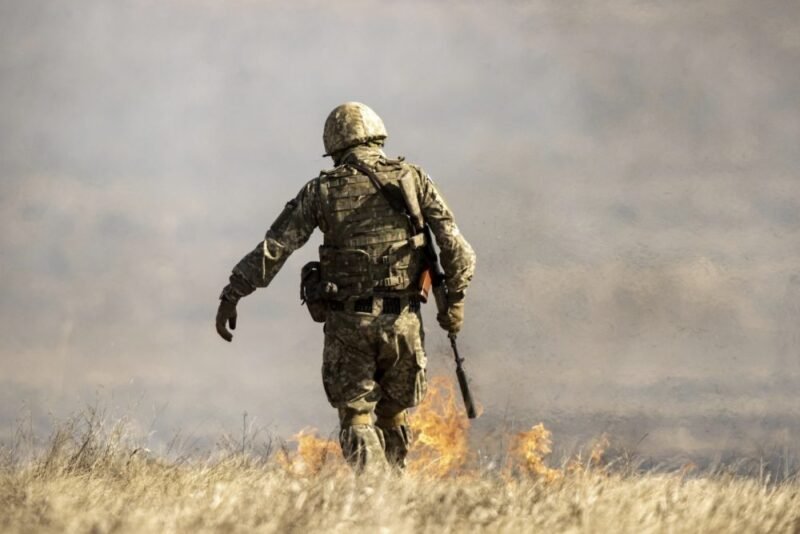
In the past 48 hours, around four thousand Ethiopian soldiers have crossed into the Hiiran region of Somalia, specifically entering through the Feerfeer district. These heavily armed troops have made their way to the Matabaan district, sparking significant attention and concern.
The governor of Matabaan district, Bashir Shekeeye, confirmed to local media that the Ethiopian forces had a brief meeting with local officials before retreating back to the border. The primary reason for this incursion, according to Governor Shekeeye, was the pursuit of Al-Shabaab militants who were chasing the Ethiopian troops.
This movement of Ethiopian forces into Somalia is not an isolated event. Similar incursions have been reported in the past, particularly in the Hiiran, Bay, Bakool, and Gedo regions. These actions occur despite the Ethiopian troops not being part of the African Union Transition Mission in Somalia (ATMIS), which is the official peacekeeping force operating in the region.
The entry of Ethiopian soldiers into the Hiiran region comes at a time of heightened tension between Somalia and Ethiopia. Earlier this year, a maritime agreement signed between Ethiopia and Somaliland exacerbated these tensions, leading to diplomatic strains.
Historically, Ethiopian forces have crossed into Somalia multiple times, often citing the need to combat Al-Shabaab militants, who pose a significant threat to both countries. These movements, however, have often been met with suspicion and concern from Somali authorities, who view them as violations of sovereignty and potential precursors to more significant conflicts.
The presence of Al-Shabaab continues to be a major security challenge for both Somalia and Ethiopia. The group’s ability to operate across borders and launch attacks necessitates coordinated responses from neighboring countries. However, the unilateral actions by Ethiopian troops, without clear coordination with Somali authorities, risk escalating tensions and undermining regional stability.
The recent incursion highlights the fragile nature of Somali-Ethiopian relations. The maritime agreement earlier this year already strained diplomatic ties, and continued military actions could further destabilize the region. It is crucial for both countries to engage in dialogue to manage these incidents and work towards a more collaborative security strategy.
Moving forward, it will be essential for regional bodies like the African Union to mediate and facilitate better cooperation between Somalia and Ethiopia. Ensuring that military operations against groups like Al-Shabaab are coordinated and respect national sovereignties will be key to maintaining peace and stability in the Horn of Africa.
In conclusions, the entry of Ethiopian troops into Somalia’s Hiiran region underscores the ongoing security challenges posed by Al-Shabaab and the complex diplomatic landscape between Somalia and Ethiopia. As these nations navigate their fraught relationship, regional stability hangs in the balance, necessitating careful diplomatic and strategic maneuvering.