Sanctions Target UAE-Based Companies and Vessels Involved in Iranian Petroleum Transport
The United States’ recent imposition of sanctions on Iran marks another chapter in the prolonged and complex relationship between the two nations. Since the 1979 Iranian Revolution, the US and Iran have had a contentious relationship, characterized by economic sanctions, diplomatic isolation, and periodic confrontations. The 2015 Joint Comprehensive Plan of Action (JCPOA), known as the Iran nuclear deal, provided a brief respite, but the US withdrawal from the agreement in 2018 under the Trump administration reignited tensions. The latest sanctions reflect ongoing concerns over Iran’s nuclear ambitions and the broader geopolitical struggle in the Middle East.
Iran’s advancements in its nuclear program, specifically enriching uranium to 60% purity, pose significant concerns for global security. This level of enrichment is alarmingly close to the 90% required for weapons-grade uranium. Despite Iran’s claims of peaceful intentions, the potential for nuclear weapon development cannot be ignored. This escalation has prompted reactions from international bodies like the International Atomic Energy Agency (IAEA) and the Group of Seven (G7), which have warned Iran against further nuclear advancements.
The US sanctions serve as a strategic measure to curb Iran’s nuclear program and limit its regional influence. Secretary of State Antony Blinken’s statement underscores the US commitment to preventing Iran from acquiring nuclear weapons, emphasizing a multifaceted approach that includes economic sanctions and diplomatic pressure. By targeting companies involved in the transport of Iranian petroleum, the US aims to cut off revenue streams that could fund the nuclear program.
Iran’s nuclear advancements and the US response have broader implications for Middle Eastern stability. Israel, a key US ally and regional rival of Iran, has expressed deep concern over Iran’s nuclear capabilities. Iran’s recent comments about potentially changing its “nuclear doctrine” if threatened by Israel add a layer of urgency and potential volatility. The sanctions could also influence Iran’s relations with other regional players and international actors, including Russia, given the recent warnings about potential missile transfers.
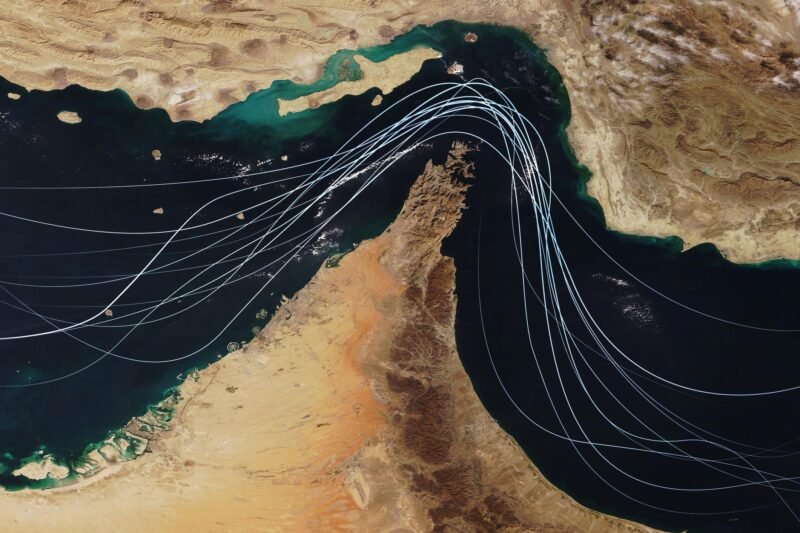
The sanctions targeting UAE-based companies and vessels associated with Iranian petroleum transport are likely to exacerbate Iran’s economic challenges. Iran’s economy has been severely impacted by previous sanctions, leading to inflation, unemployment, and reduced oil revenues. Further restrictions could limit Iran’s ability to engage in international trade and access foreign currency, deepening the economic crisis and potentially increasing domestic discontent.
While the primary aim of the sanctions is to curb Iran’s nuclear ambitions, they can also have unintended humanitarian consequences. Economic sanctions often lead to shortages of essential goods, increased poverty, and reduced access to healthcare for the civilian population. It is crucial for the international community to balance sanctions with measures that mitigate humanitarian impacts.
The imposition of new sanctions is likely to strain diplomatic relations between the US and Iran further. Iran’s rebuke of the G7 statement and calls for distancing from “destructive policies” reflect a defiant stance that may complicate future negotiations. The Biden administration’s approach will be critical in navigating these tensions and exploring potential diplomatic avenues to address the nuclear issue.
The US sanctions and the G7’s stance highlight the importance of international cooperation in addressing nuclear proliferation. The effectiveness of these measures depends on the collective efforts of global powers to enforce sanctions and maintain pressure on Iran. Additionally, the role of the United Nations and the IAEA will be pivotal in monitoring Iran’s compliance and facilitating dialogue.
The latest US sanctions on Iran underscore the ongoing geopolitical struggle to prevent nuclear proliferation and maintain regional stability. While aimed at curbing Iran’s nuclear advancements, the sanctions also have significant socioeconomic and humanitarian implications. The path forward will require careful diplomacy, international cooperation, and a balanced approach to ensure security while addressing the needs of the Iranian populace. The global community must remain vigilant and proactive in mitigating the risks associated with Iran’s nuclear program and its broader regional impact.