The United Nations Security Council has voted to initiate a gradual withdrawal of its long-standing mission in Somalia, marking a significant transition in the organization’s involvement in the region. Established in 2013, the United Nations Assistance Mission in Somalia (UNSOM) was created to assist Somali authorities in navigating the country’s democratic transition following two decades of civil strife involving militant factions, Islamist groups, and organized crime.
The resolution, adopted unanimously on Wednesday, calls for UNSOM’s mandate to conclude by October 31, 2026, beginning a two-year transition to a new entity: the United Nations Transitional Assistance Mission in Somalia (UNTMIS). The first year of the transition will concentrate on conducting free and fair elections, protecting human rights, and gradually transferring specific responsibilities to Somali authorities.
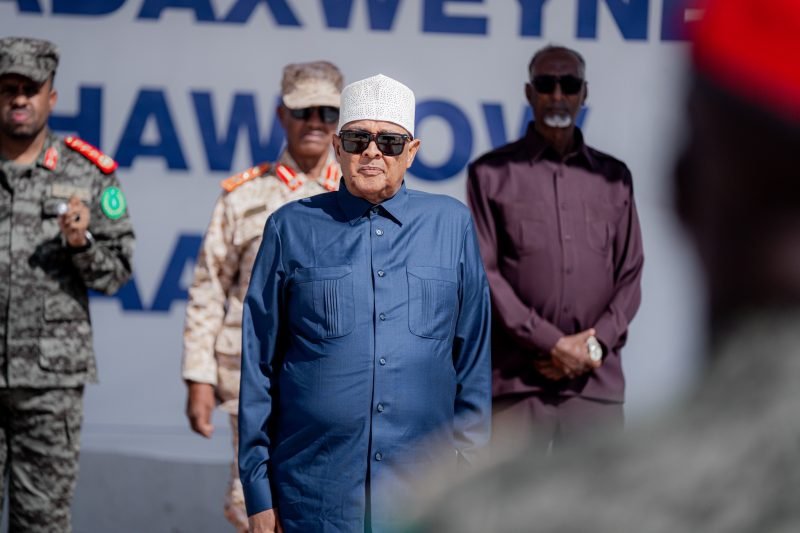
This decision aligns with a recent request by Somalia’s President Hassan Sheikh Mohamud, who had initially urged the UN to conclude its mission by October 2023. Following discussions, the Somali government accepted a phased withdrawal to allow for a stable transition period. Mohamud’s administration continues to wrestle with persistent instability as it works to consolidate the country’s governance and security structures.
The UN’s presence in Somalia reflects a broader challenge it faces on the continent, where missions are increasingly met with opposition. In recent years, several African governments have questioned the scope and duration of foreign interventions, pushing for a shift to more self-reliant governance frameworks and reduced external dependency.