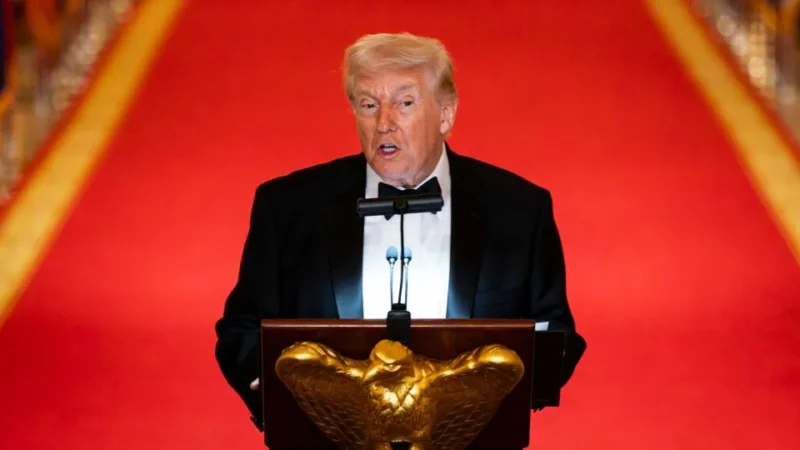
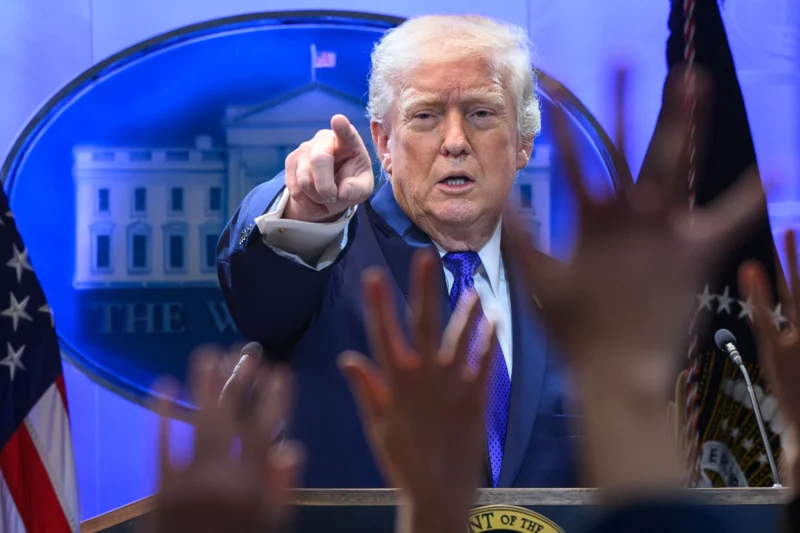
Donald Trump’s return to the U.S. presidency could mark a significant shift in international policy regarding Somaliland, the self-declared republic that has sought global recognition since breaking from Somalia in 1991. According to former UK Defence Secretary Sir Gavin Williamson, Trump’s team is considering officially recognizing Somaliland as a sovereign nation, a move that could have profound geopolitical implications.
Strategic Importance of Somaliland
Somaliland occupies a key position on the Red Sea, near vital international shipping lanes and the volatile Gulf of Aden. Despite functioning as a stable, democratic state with free elections, it remains unrecognized by most countries. Ethiopia is the only nation to engage diplomatically with Somaliland, partly due to its interest in the port city of Berbera.
Recognition by the U.S. could bolster Somaliland’s sovereignty and provide a counterweight to instability in Somalia, which has struggled with piracy, terrorism, and allegations of arms trafficking involving militant groups like al-Shabaab.
Williamson’s Advocacy and Trump’s Interest
Sir Gavin Williamson, a long-time proponent of Somaliland’s recognition, has reportedly engaged with Trump’s policy team extensively. Drawing on Trump’s disdain for Biden-era policies and previous interest in the region, Williamson sees an opportunity to align U.S. policy with Somaliland’s aspirations.
Williamson cited Somaliland’s peaceful electoral process and governance as key arguments in his discussions. Trump’s prior administration had considered the issue but ultimately deferred, leaving it unresolved when he left office.
Pressure on the UK and Global Implications
If the U.S. recognizes Somaliland, the UK may face mounting pressure to follow suit, particularly given its historical ties as a former British protectorate. Recognition could also pave the way for enhanced Western military cooperation in the region, especially around the Berbera port.
However, the move risks exacerbating tensions with Somalia, which continues to claim sovereignty over Somaliland. It may also create friction with allies who remain committed to Somalia’s territorial integrity.
Somaliland’s Case for Recognition
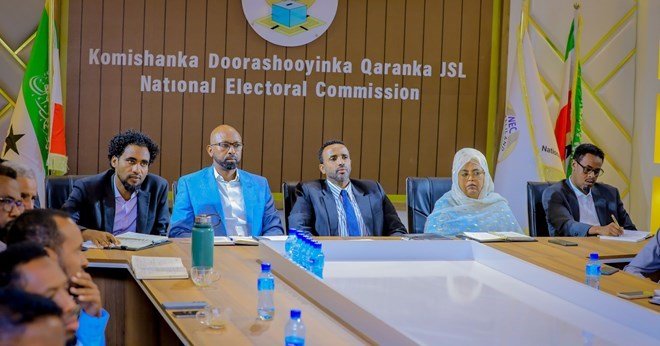
Supporters of Somaliland’s recognition argue that its stability and democratic practices contrast sharply with the turmoil in Somalia. Recent elections, deemed credible by international observers, reinforce its position as a functional state.
Peter Pham, a former U.S. special envoy, suggests that Trump’s recognition of Somaliland would likely be part of a broader policy review, potentially reshaping U.S. strategy in the Horn of Africa.
Conclusion
Inconclusion, as Trump prepares to take office, Somaliland’s push for recognition may gain unprecedented momentum. While the move could strengthen regional stability and reward democratic governance, it also risks sparking diplomatic tensions with Somalia and other stakeholders. Whether Trump will act decisively on this issue remains to be seen, but the potential ramifications for the Horn of Africa and beyond are considerable.