In a thunderous constitutional address, Somaliland’s president halts talks with Mogadishu and unveils a bold national security, defense, and recognition strategy.
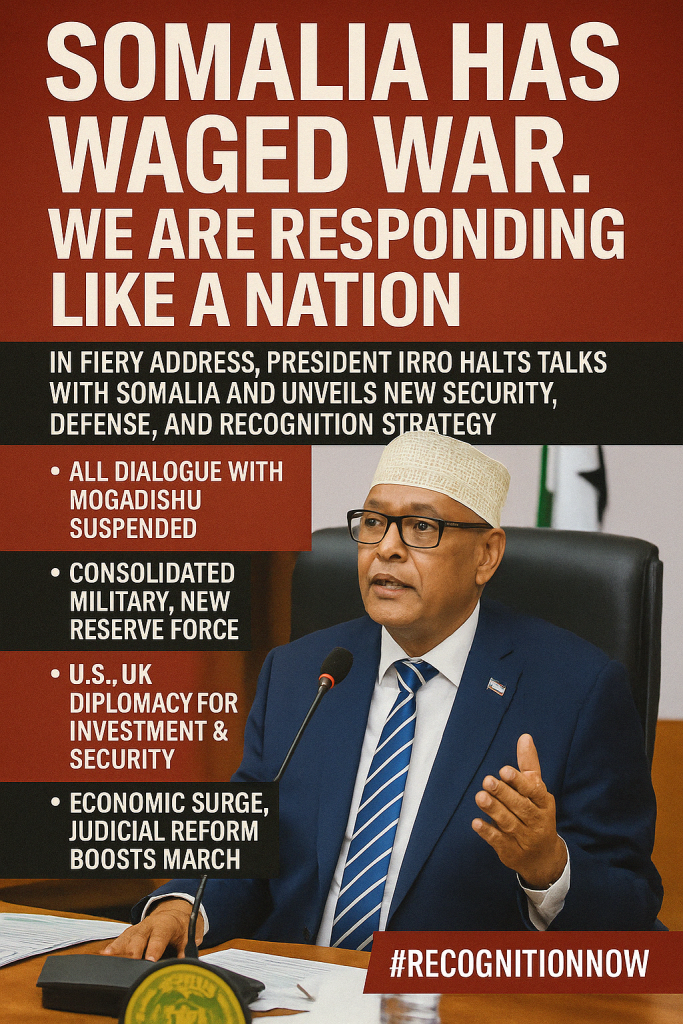
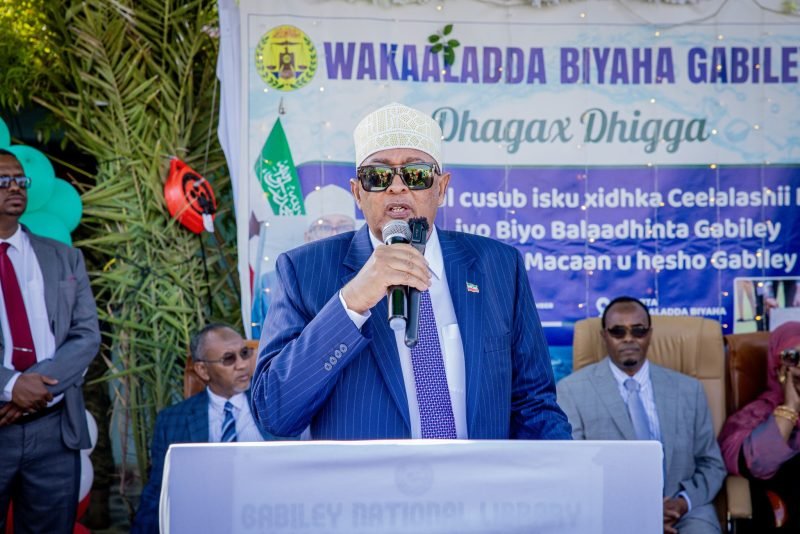
President Abdirahman Mohamed Abdullahi Irro just drew a red line—and the world heard it. In a fiery constitutional address before Somaliland’s Parliament, he didn’t just condemn the Somali Prime Minister’s provocative visit to Las Anod. He escalated the narrative: Somalia has waged war on Somaliland. And Hargeisa is done playing nice.
The speech marked a pivot from patience to power. Irro announced the official suspension of all dialogue with Mogadishu, slamming Hamse Abdi Barre’s visit as an act of war. It’s not diplomacy anymore—this is deterrence.
Irro’s war doctrine is now crystal clear:
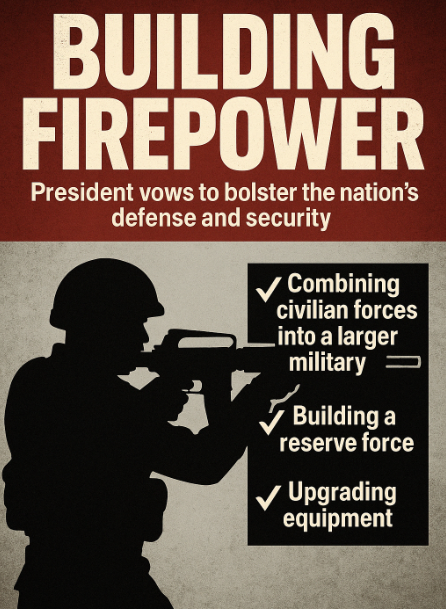
Military consolidation and civilian nationalization into a streamlined, modernized force.
Creation of a reserve army equipped with enhanced training and “modern knowledge.”
Justice reform for national unity and legal trust.
A 19% economic surge during his administration, now parlayed into investment talks.
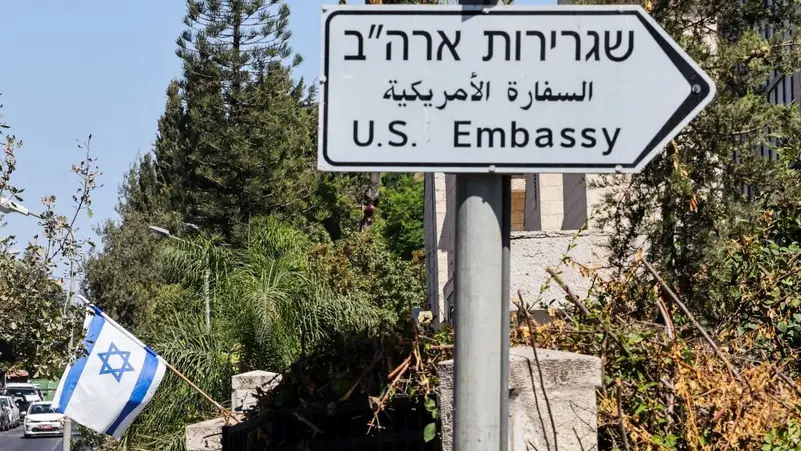
But Irro isn’t just beefing up bullets—he’s upgrading borders diplomatically. In perhaps the most strategic shift of his presidency, Somaliland is strengthening bilateral engagements with Washington, London, and the UAE. The UAE will fund roads, education, agriculture, and livestock infrastructure, confirming that Somaliland is open for business—even if the world hasn’t recognized it yet.
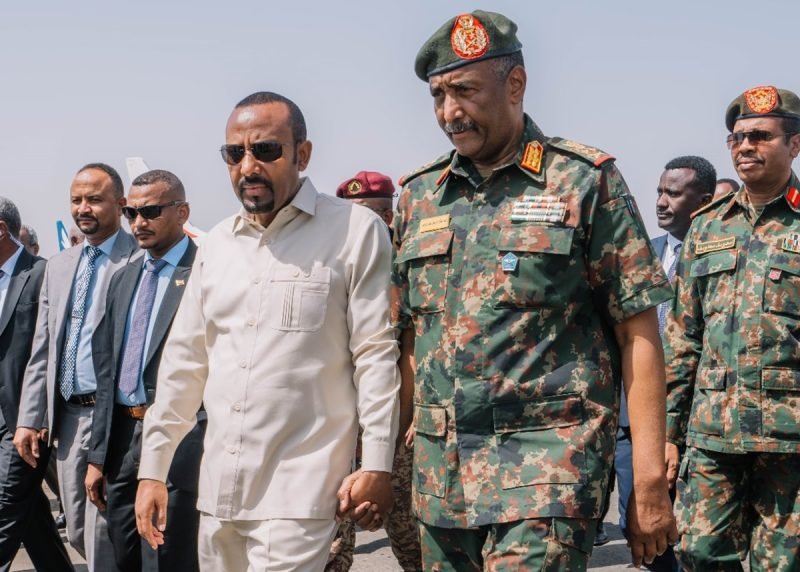
And while Somalia plays internal sabotage, Somaliland courts foreign allies. The U.S. is helping advance national interests, the UK is assisting security efforts, and Irro is making direct visits to Djibouti and Ethiopia—neighbors vital to both regional stability and recognition diplomacy.
At home, Irro has launched a governance campaign rooted in popular legitimacy. Meetings with civil society, youth, and elders are building the case that Somaliland’s nationhood is not a government agenda—it’s a national consensus.
The message from Cirro is thunderous: We will defend our land, modernize our forces, court our allies, and abandon meaningless talks. Recognition is no longer a request—it’s a destiny forged by force, diplomacy, and economic might.