The European Commission is planning significant reductions in staffing across its global network of embassies, focusing its resources on countries deemed strategically critical. This move, prompted by a budget shortfall in the EU’s diplomatic arm, the European External Action Service (EEAS), has raised concerns about diminished EU influence in regions like Africa and Latin America.
Under the proposed reforms, the EU’s 145 delegations worldwide would shift toward a more targeted approach. Greater resources would be allocated to nations aspiring to join the EU, the bloc’s immediate neighborhood, G20 countries, emerging political and economic powers, and areas of instability directly impacting EU interests.
This realignment aligns with the EU’s Global Gateway initiative, its response to China’s expansive trade and infrastructure projects. However, critics warn that prioritizing such economic strategies risks neglecting broader diplomatic and humanitarian responsibilities.
One major consequence of the cuts would be a reduced presence in over 30 African countries and key Latin American nations, including Brazil. While no embassies would close outright, many delegations would operate with minimal staff or consolidate into regional hubs.
This retrenchment contradicts the EU’s previously declared “pivot to Africa,” symbolized by Commission President Ursula von der Leyen’s first official visit to Addis Ababa in 2019. Some officials fear the downsizing could weaken relationships with critical regions and open opportunities for rivals like Russia and China to gain influence.
The cuts would impact nearly 800 local officers, many of whom could face layoffs. Proposals to consolidate foreign delegations, such as merging EEAS missions with those of the European Investment Bank or European Civil Protection, could create logistical and political complications.
Concerns also extend to smaller EU member states, which often depend on EU delegations for diplomatic access and intelligence due to limited national embassy networks.
Kaja Kallas, the incoming EU foreign policy chief, is expected to address the recommendations during discussions with the College of Commissioners in December. Some officials within the EEAS have pushed back against the plan, labeling it premature and risky.
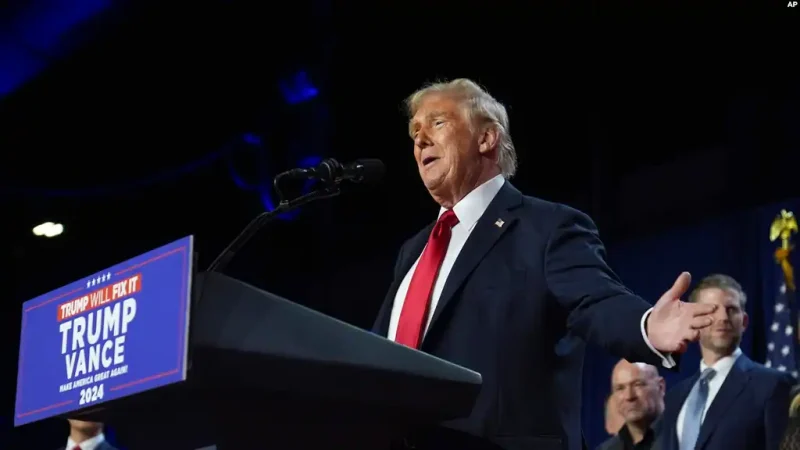
The proposals reflect the EU’s struggle to balance its diplomatic ambitions with financial realities, particularly in the context of ongoing challenges such as the war in Ukraine, evolving U.S. foreign policy under a potential Trump presidency, and accusations of double standards in the bloc’s global approach.
Critics argue that the EU risks undermining its global credibility and influence by reducing its on-the-ground presence in key regions. As one EU official noted, “Leaving just a head of delegation and a chauffeur sends the wrong message.”
The final decision will hinge on balancing budgetary constraints with the EU’s long-term strategic goals, a test for the new Commission and its commitment to maintaining the bloc’s global footprint.