As Trump’s administration considers recognizing Somaliland, Turkey strengthens ties with Hargeisa to challenge UAE’s expanding influence.
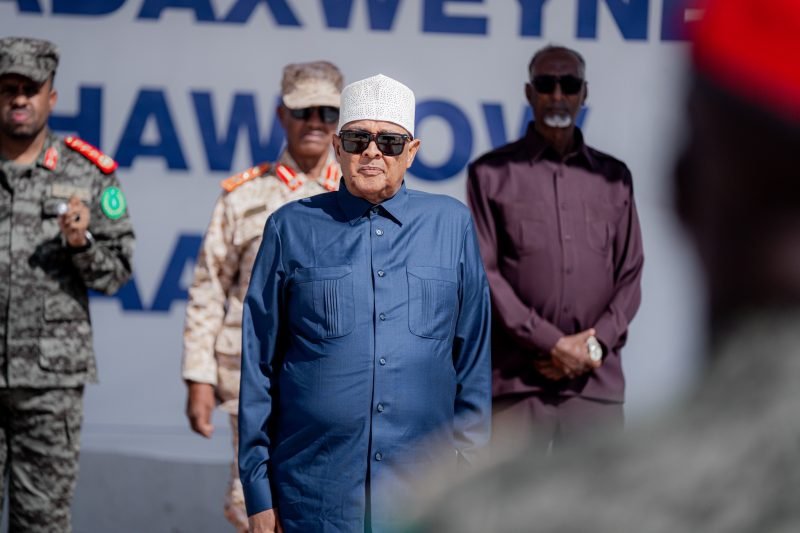
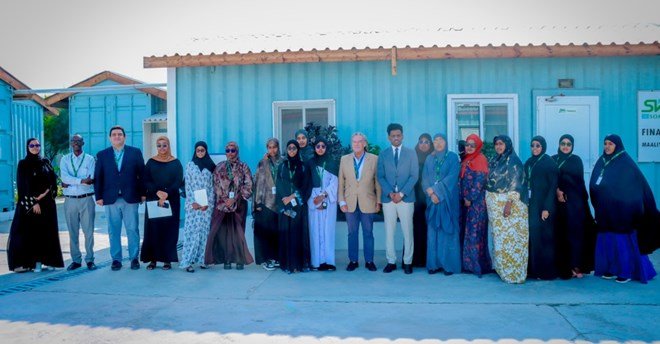
For the first time in years, Turkey’s Ambassador to Somalia, Alper Aktaş, visited Somaliland, signaling a major geopolitical shift. The timing of the visit is no coincidence—it comes as Somaliland’s growing ties with the UAE and the U.S. have raised concerns in Ankara, which has long positioned itself as a key player in the Horn of Africa.
Turkey’s deepening engagement in Somaliland is a calculated move to curb Dubai’s increasing influence over Somaliland’s ports, economy, and regional alliances. The Berbera Port, controlled by UAE’s DP World, has become a critical asset, fueling economic expansion and potential U.S. military interest. Turkey, which has a strong alliance with Mogadishu, sees UAE’s rise in Somaliland as a direct challenge.
The Trump administration’s ongoing deliberations over formal recognition of Somaliland add another layer of urgency to Turkey’s engagement. If Washington grants Somaliland official recognition, it would not only solidify Somaliland’s autonomy but also create a new U.S. strategic outpost in the region—an alternative to Djibouti, where China has expanded military influence.
Turkey, which has historically mediated between Mogadishu and Hargeisa, is now stepping into Somaliland more directly. Is Ankara preparing to play both sides, or is it realigning its regional ambitions? With Ethiopia seeking maritime access, the UAE expanding its economic grip, and the U.S. weighing a game-changing diplomatic shift, Somaliland has become a flashpoint for global power competition.
What’s next? If Turkey succeeds in counterbalancing the UAE, it could push for a greater role in regional security and trade agreements. However, if the U.S. recognizes Somaliland, Ankara may be forced to choose between its Somali ally and a rising strategic power in Hargeisa.