After nearly two decades, Burundi withdraws its troops from Somalia following disagreements over contributions to the new AUSSOM mission.
Burundi has officially commenced the withdrawal of its troops from Somalia, concluding an 18-year stint under the African Union’s peacekeeping framework. This significant move follows a contentious dispute over troop allocations within the African Union Support and Stabilization Mission in Somalia (AUSSOM), which recently succeeded the African Union Transition Mission in Somalia (ATMIS).
Since 2007, Burundi has been a major contributor to peacekeeping efforts in Somalia, at one point deploying over 5,500 troops, making it the second-largest contingent after Uganda. Burundian forces played a crucial role in securing strategic locations and combating the extremist group al-Shabaab. However, the decision to limit Burundi’s contribution to only 1,041 troops under the new AUSSOM framework—far below its requested 2,000—has sparked intense criticism from Burundian officials. They have accused the Somali government of betrayal and ingratitude, highlighting the sacrifices made by Burundian soldiers, over 1,000 of whom were killed in combat during their deployment.
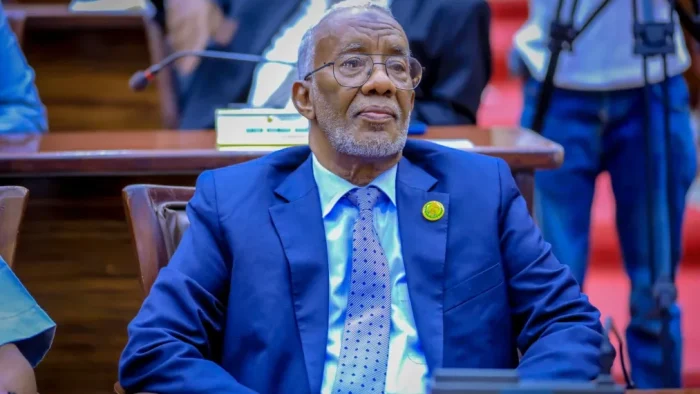
The scaling back of Burundi’s role comes as Somalia seeks to assert more control over its security operations. Somali Foreign Minister Ahmed Moalim Fiqi emphasized the transition towards a streamlined, Somali-led security framework under AUSSOM, aimed at fostering greater national sovereignty and effectiveness.
Despite the significant contributions of Burundian troops, their role has been marred by controversies, including allegations of financial mismanagement and collusion with militants. These issues, alongside the operational criticisms from Somali officials, have strained relations between the two countries, culminating in Burundi’s current withdrawal.
The reduction of the overall African Union troop presence under AUSSOM—from 20,000 to 12,626, including police officers—poses challenges in maintaining security, especially in areas previously patrolled by Burundian forces. To address potential security gaps, Uganda and Egypt have pledged additional troops, with Egypt marking its first direct involvement in Somalia’s security efforts.
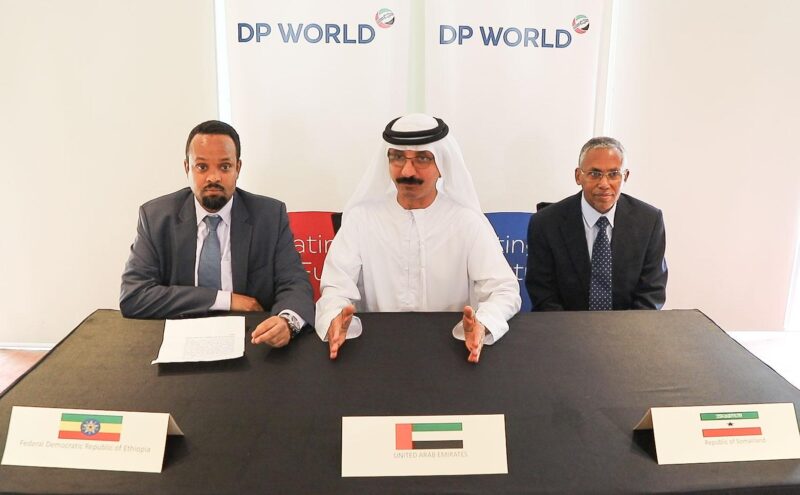
Furthermore, regional dynamics continue to affect the stability efforts in Somalia. Notably, Ethiopia’s participation in AUSSOM was initially jeopardized by diplomatic tensions, resolved only after Turkey-mediated negotiations.
As Burundi redirects its focus to other regional conflicts, such as the ongoing operations against the M23 rebel group in eastern Congo, the realignment of peacekeeping resources underscores the shifting priorities and challenges within the African Union’s peacekeeping endeavors.
Despite the withdrawal and the associated challenges, Somalia remains committed to a future where its security is self-managed, aiming to build a professional and self-reliant national army. This strategic shift is designed to reduce Somalia’s long-term dependence on international forces, paving the way for a more stable and autonomous security landscape.