Azerbaijan’s growing ties with Turkey and recent deadly incidents in Russia fuel escalating tensions with Moscow in a volatile South Caucasus power struggle.
Tensions between Russia and Azerbaijan intensify following the deadly crash of an Azerbaijan Airlines flight, violent police raids on ethnic Azerbaijanis in Russia, and shifting alliances as Azerbaijan moves closer to Turkey and distances itself from Moscow.
South Caucasus Flashpoint: Why Russia and Azerbaijan Are On the Brink of Open Conflict
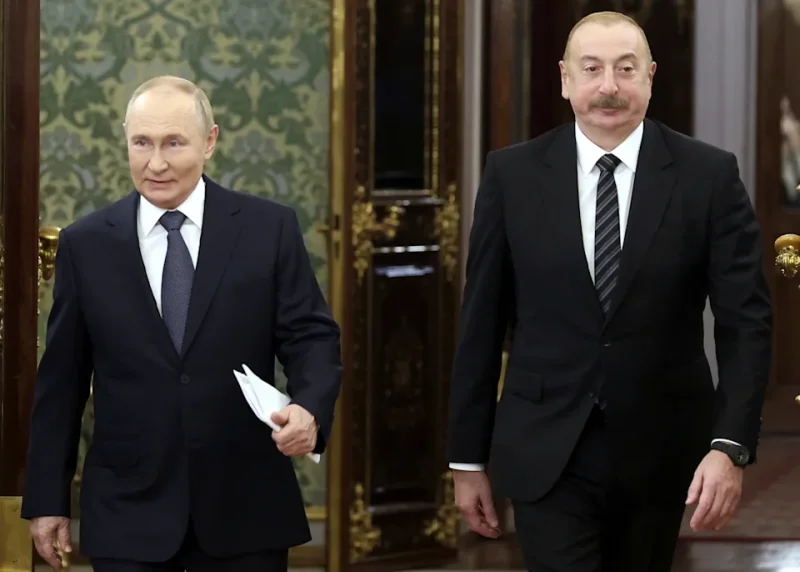
Tensions between Russia and Azerbaijan have reached a boiling point in late 2024, exposing the fragile balance of power in the South Caucasus—a region long marked by ethnic fault lines, great power rivalries, and energy wealth.
The catalyst has been a deadly mix of incidents: the tragic crash of an Azerbaijan Airlines passenger jet near Chechnya, which Baku blames on Russian air defenses, and brutal police raids targeting ethnic Azerbaijanis in Russian cities like Yekaterinburg. The deaths and violent treatment of Azerbaijanis in Russia have ignited fury in Baku, prompting reciprocal arrests of Russians and an unprecedented diplomatic tit-for-tat.
Beneath these events lies a broader geopolitical shift. Azerbaijan’s president, Ilham Aliyev, emboldened by a decisive military victory reclaiming Karabakh in 2023 and growing closer ties with Turkey and even Ukraine, is breaking away from Moscow’s traditional sphere. Historically, Russia has wielded heavy influence through economic ties, energy dependency, and a vast Azerbaijani diaspora within its borders.
Yet Azerbaijan’s assertive pivot away from Russia risks unraveling this complex web. Moscow’s failure to intervene in Karabakh’s recapture bruised Armenian allies and rattled Kremlin prestige. Coupled with Azerbaijan’s alignment toward Ankara and Kyiv, Russia sees its influence slipping in a strategically vital region bordering Iran, Turkey, and Europe.
The crash of the Azerbaijan Airlines flight — with 38 dead — became a flashpoint of mistrust, compounded by accusations of a cover-up by Russian authorities. Then, the violent crackdown on ethnic Azerbaijanis suspected of old murders added ethnic tension to the diplomatic fire.
Azerbaijan’s bold move to summon Russian diplomats and engage openly with Ukraine’s Zelenskyy further antagonizes Moscow, which accuses Kyiv of stoking the flames of conflict.
At its core, this crisis is about shrinking Russian influence colliding with a resurgent Azerbaijan that leverages new alliances to assert independence. As hawkish voices in both capitals demand retaliation, the risk of escalation is palpable — threatening to destabilize a region where frozen conflicts and proxy wars have long simmered.
The world watches as Russia and Azerbaijan edge closer to confrontation, caught in a perilous dance of diplomacy, ethnic grievances, and regional power shifts.