Tehran’s nuclear ambitions persist amid recent strikes, diplomacy breakdowns, and lessons from Libya and North Korea.
Iran halts IAEA cooperation after US-Israeli airstrikes, signaling defiance and resilience as it advances uranium enrichment—fueled by historical legacy and fears of regime survival.
Iran’s Nuclear Resolve: Defiance, Survival, and Lessons from the Past
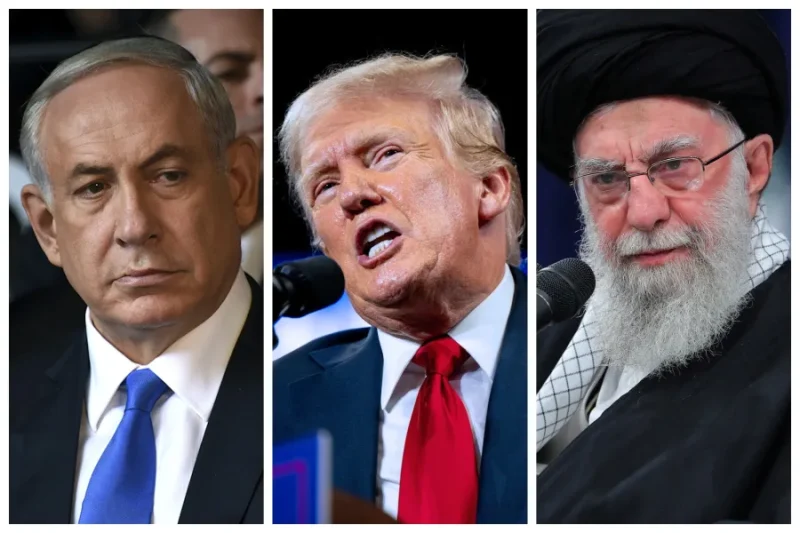
Iran’s doubling down on its nuclear program is not just a matter of technology or energy—it is a symbol of regime survival and geopolitical defiance. Despite recent US and Israeli airstrikes that damaged key facilities in Fordo, Natanz, and Isfahan, Tehran’s leaders have chosen to halt cooperation with the International Atomic Energy Agency (IAEA). This move signals a stark message: under attack, Iran will accelerate its nuclear ambitions rather than retreat.
Historically, Iran’s nuclear journey began with US support during the Shah era under the “Atoms for Peace” program, aiming for civilian energy independence. After the 1979 revolution, Iran transformed its program into a strategic emblem of sovereignty and strength amid sanctions and conflict. The regime’s architects have long insisted on the right to nuclear technology—even acknowledging the capacity for weaponization if needed.
Recent US withdrawal from the 2015 JCPOA nuclear deal under Trump shattered hopes for restraint. Since 2019, Iran has enriched uranium to near weapons-grade levels, stockpiling enough material for multiple bombs. The strikes on nuclear sites, far from deterring Tehran, have hardened its stance. Officials question whether the Non-Proliferation Treaty (NPT) can guarantee their security, especially when facilities under safeguards were targeted.
Iran’s leadership watches closely the fate of Libya, where Gadhafi’s denuclearization preceded his violent overthrow, and North Korea, which abandoned the NPT and remains a nuclear-armed state shielded from regime change. These precedents reinforce Tehran’s calculation: nuclear capability is essential protection against foreign intervention.
Non-proliferation experts warn that Iran retains significant infrastructure untouched by airstrikes, enabling a rapid restart of its nuclear program. With nationalist rhetoric equating backing down to weakness, and military leaders like the late Fereydoun Abbasi advocating readiness to weaponize if demanded, Iran is cementing nuclear development as a core pillar of its defense and deterrence.
For the West and its allies, this reality demands a recalibration: Iran’s nuclear ambitions are no longer just a diplomatic issue but a fundamental challenge to regional stability and international security. Without addressing the underlying security concerns of Tehran, the cycle of sanctions, strikes, and nuclear escalation is likely to continue—and with it, the shadow of conflict looms ever larger.