Fresh Arms‑Running Scare Raises Stakes in Somalia’s Coastal War of Shadows.
Puntland sights another Comoros‑flagged ship near last week’s arms seizure, deepening intrigue over covert weapons flows to Las Anod and Mogadishu.
The silhouette of a second Comoros‑flagged freighter now idling off Bareeda has electrified radios from Bosaso to Hargeisa.
Sources inside Puntland’s Maritime Police Force (PMPF) tell WARYATV the vessel’s AIS beacon went dark twice during its approach—an evasive maneuver identical to the Sea World, seized last week with a belly full of armored cars and factory‑sealed crates of 12.7 mm ammunition.
Explosive Interception: Puntland Seizes Foreign Ship Packed with Weapons Destined for Las Anod
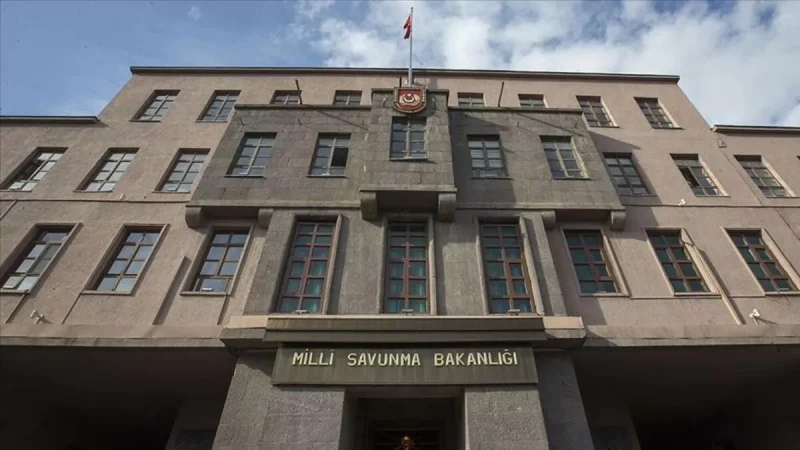
Dockworkers who helped unload that earlier haul whispered one name: Turkey.
Ankara publicly frames its ten‑year security partnership with Mogadishu as a bulwark against al‑Shabaab, yet manifests of the captured cargo read like the kit list of an expeditionary force, not a counter‑insurgency.
Among the items PMPF investigators catalogued: lightweight mortar tubes stamped “MKE Ankara,” thermal weapon sights assigned to Turkey’s gendarmerie in 2023, and encrypted VHF sets compatible with Bayraktar ground stations.
Two regional intelligence officers, speaking on condition of anonymity, told WARYATV Ankara’s defense attaché quietly lobbied Mogadishu in April for “expedited end‑user certificates” covering identical matériel.
Why would a NATO member rush battlefield hardware into a polity that barely controls five square kilometres of its own capital?
The timing is conspicuous. Somalia has just upgraded the SSC‑Khaatumo movement—from breakaway militia to federally recognized “state” with ambitions that reach deep into eastern Somaliland and the mineral‑rich Sanaag plateau.
If those ambitions are to be anything more than parchment, they will need guns, wheels and night‑eyes—precisely what the Sea World carried.
Puntland, for its part, is convinced a darker convergence is under way. For months its security services have skirmished ISIS cells in the Cal‑Madow range, cells that UN monitors say raise operating cash by “taxing” clandestine maritime runs between Yemen, Hafun and the Somali interior.
Now, the PMPF is analyzing ballistic signatures from the seized ammunition; initial forensics suggest the same lot numbers turned up in an ISIS arms dump raided near Qandala in May. If verified, the line between state‑sponsored resupply and extremist diversion blurs dangerously.
Western navies patrol the Gulf of Aden under a patchwork of mandates—EU NAVFOR’s Atalanta, the US‑led CTF‑151—but none intercepted either Comoros‑flagged ship before Puntland’s coast‑watchers did.
Did intelligence lapses allow a sanctioned partner to move contraband under the radar, or did allied commanders look away to spare a NATO peer embarrassment? Officials in Somalia and Somaliland aren’t talking. Ankara, too, is silent.
Turkish diplomats in Mogadishu insist the bilateral defence pact authorizes only “coast‑guard capacity‑building.” Yet Puntland’s manifest tells another story, and every hour the new freighter loiters offshore deepens suspicion that last week’s bust was no outlier but the exposed edge of a broader logistics pipeline.
Is Turkey hedging its bets in Somalia’s by‑zantine clan chessboard—arming the federal centre while signalling it can tilt the balance in Las Anod or Sanaag at will? Or has a covert supply channel, once intended to aid government forces, been hijacked by jihadists who now menace Puntland and, by extension, international shipping lanes?
Until the hatches of the second ship swing open, the region is left to guess—and to wonder whether the next consignment will slip past vigilant eyes and tip an already‑fragile Horn of Africa into wider conflict.