NATO scrambled F-35s on Friday to intercept three Russian MiG-31 fighter jets that violated Estonia’s airspace over the Gulf of Finland in what officials called the most “brazen” breach yet. The Russian aircraft remained inside Estonian skies for 12 minutes before being forced to retreat by Italian, Swedish, and Finnish fighters under NATO’s Eastern Sentry mission.
Estonian Prime Minister Krisen Michal said Moscow’s jets were “forced to flee,” while NATO chief Mark Rutte hailed the alliance’s “quick and decisive” response. Estonia has now invoked Article 4 of NATO’s founding treaty, demanding urgent consultations on the threat to its sovereignty — a move that puts Moscow’s provocations directly on the alliance’s main decision-making table.
Moscow flatly denied crossing borders, claiming its MiGs stayed three kilometers outside Estonia while flying from Karelia to Kaliningrad. But Tallinn summoned Russia’s chargé d’affaires and branded the violation “unprecedentedly brazen.” Foreign Minister Margus Tsahkna warned: “Putin is testing our boundaries. Aggression must be met with swift political and economic pressure.”
The skies over the Baltic grew even more tense hours later when Poland reported two Russian jets performing a “low-level pass” over a Petrobaltic oil platform. “Polish security services are constantly monitoring the situation,” Warsaw said.
The escalation drew swift condemnation. EU foreign policy chief Kaja Kallas blasted the incursion as an “extremely dangerous provocation,” while Ukraine’s President Volodymyr Zelensky said the move was part of Russia’s “systematic campaign against NATO and the West.” Britain and Brussels vowed more sanctions.
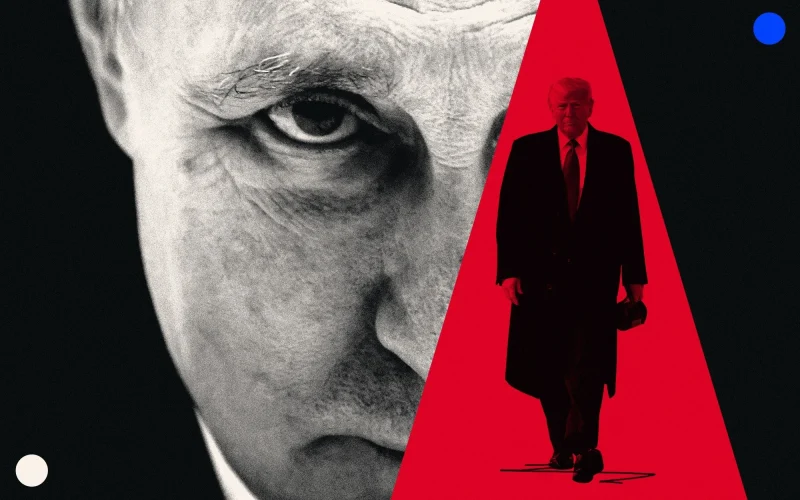
U.S. President Donald Trump, asked about the violations, warned they “could be big trouble,” adding, “I don’t love it.”
For NATO, the episode underscores a dangerous new reality: Russia is probing deeper and bolder, openly challenging the alliance’s resolve. This month alone, Moscow has sent drones into Poland and Romania, forcing NATO to fire live shots for the first time since the Ukraine war began.
Each incursion raises the same question — how far can Putin push before a miscalculation turns a cold confrontation into a hot war?