Israeli politics has become a blur of overlapping dramas, each one eclipsing the last before the dust even settles. In a matter of days, the country shifted from Benjamin Netanyahu’s explosive pardon request, to a bitter fight over the draft-exemption law, and then to an unexpected shake-up at the Mossad.
The pace feels less like governance and more like a political centrifuge — a series of calculated spins designed to keep the public off balance.
The appointment of Roman Gofman as the next head of the Mossad is the newest pivot point. Few outside Israel’s intelligence community truly know whether Gofman is an exceptional choice or a political one.
What is striking, however, is that Netanyahu bypassed every candidate put forward by the outgoing Mossad director, David Barnea, opting instead for his own pick — someone who, by all reports, has enjoyed warm relations with the Netanyahu family.
The pattern is familiar: key power centers increasingly populated by figures who, beyond competence, are seen as personally loyal.
For Mossad professionals, the message cuts sharply. Even after a strong operational year, top appointments appear to hinge less on institutional excellence and more on proximity to the prime minister’s inner circle.
Talented operatives, many of whom shoulder enormous personal and family burdens, expect merit to determine advancement. Watching three consecutive leaders rise through family channels risks eroding morale in one of Israel’s most respected institutions.
Yet the Mossad appointment is only one layer in a week of political misdirection. Netanyahu pulled a prerecorded statement on the draft law at the last minute — reportedly because Naftali Bennett and Yair Lapid were set to speak afterward.
The hesitation suggests not fear of delivery but discomfort with substance. The draft-exemption bill, dubbed the Deri-Bibi Law by its critics, undermines Netanyahu’s cultivated image as “Mr. Security.” Even among Likud members, opposition is growing.
The pardon request that dominated headlines earlier this week now looks increasingly like a diversion — a calculated distraction tossed into the arena while Netanyahu works to shepherd the draft bill through the Knesset.
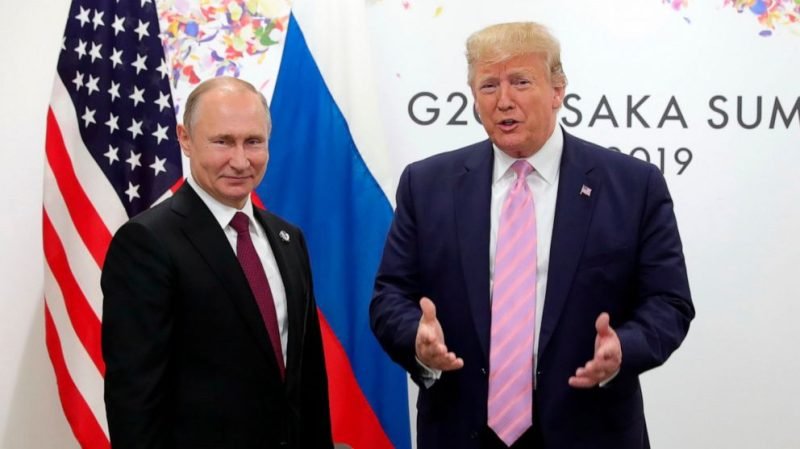
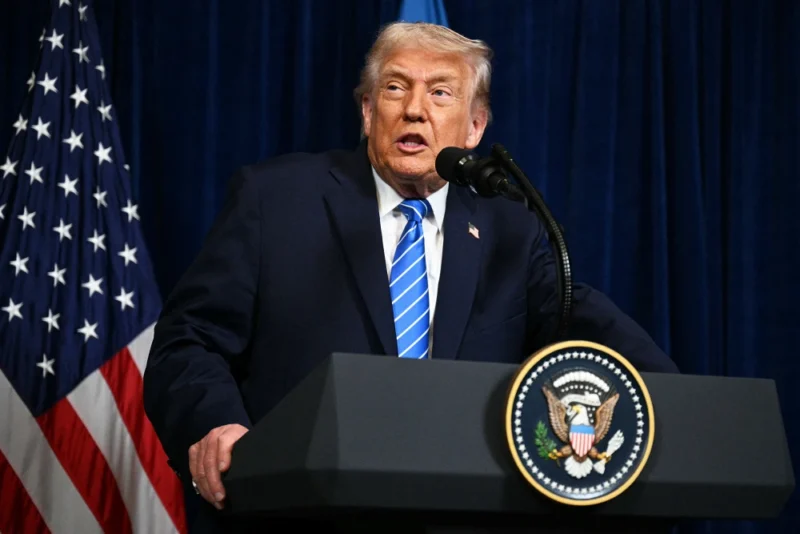
According to reporting, he has even encouraged Donald Trump to escalate public pressure on Israel’s judiciary.
The background chorus includes MK Idit Silman, who floated the extraordinary idea of Trump imposing sanctions on Israeli judges — rhetoric few believe she generated independently.
Taken together, these maneuvers reveal a prime minister navigating political survival with escalating urgency.
Netanyahu must placate his ultra-Orthodox partners long enough to keep his coalition intact while avoiding the historical stain of being the leader who enshrined draft exemptions during wartime. Simultaneously, he faces the looming threat of Case 1000, with conviction still a real possibility.
These are extreme pressures — and they are producing extreme political theatrics. Spins upon spins, distractions layered on diversions, and a governing strategy focused on buying time rather than charting direction.
The incoming Mossad chief may be capable, but he enters office under the shadow of the political storm that placed him there.