ALLIES STRIKE BACK: UK– UK and France Carry Out Joint Airstrike on Suspected ISIS Weapons Facility in Central Syria.
The United Kingdom and France have carried out a coordinated airstrike on a suspected Islamic State weapons complex in central Syria, signaling that Western powers are once again prepared to use force to prevent ISIS from exploiting regional chaos.
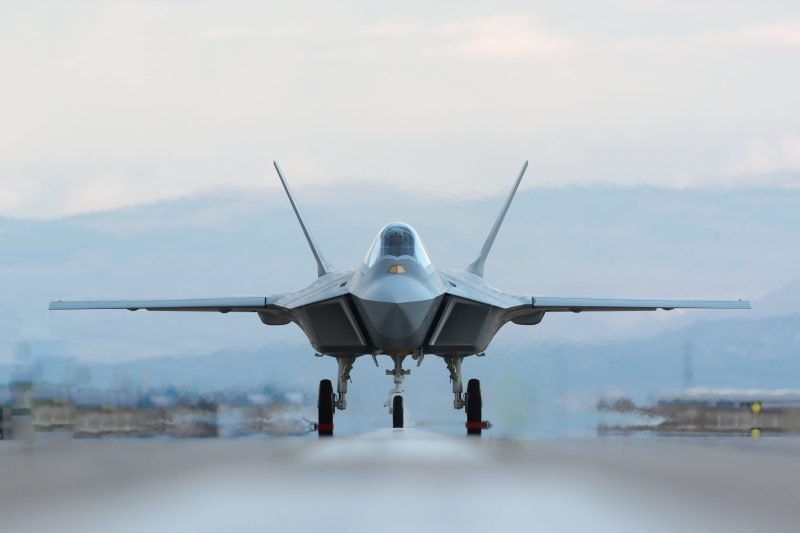
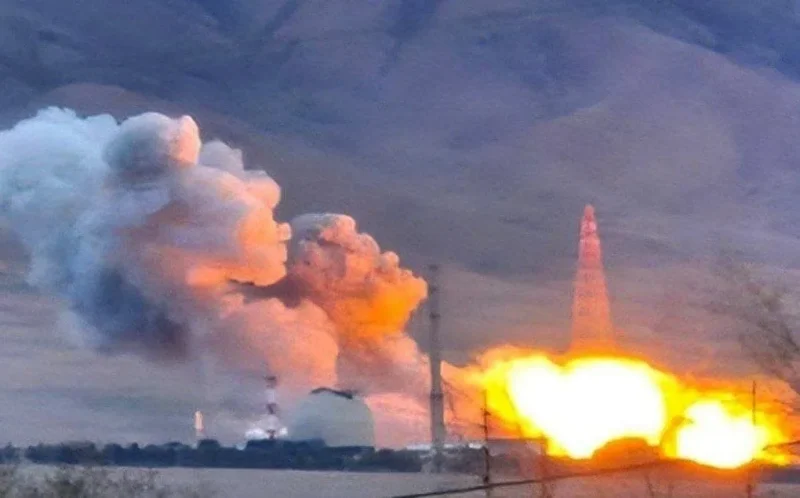
According to the UK Ministry of Defence, Royal Air Force Typhoon FGR4 jets, operating alongside French aircraft, struck an underground facility north of Palmyra on Saturday evening. The target, buried in the rugged terrain of Syria’s Homs province, was believed to be used by ISIS to store weapons and explosives. Precision-guided Paveway IV bombs were used to collapse access tunnels, with British Voyager tankers supporting the operation in midair.
Initial battle damage assessments suggest the strike was successful, though full confirmation is still pending.
The timing matters. The operation comes amid heightened U.S. military activity in Syria and reflects growing concern that ISIS is quietly regenerating in the vacuum created by fractured Syrian authority, Iranian repositioning, and shifting U.S. priorities across the Middle East.
UK Defence Secretary Sir John Healey framed the strike as a clear message: Britain will not allow ISIS to resurface. “This operation demonstrates our determination to prevent any resurgence of Islamic State and to stand shoulder to shoulder with our allies,” he said, underscoring London’s commitment to the U.S.-led Global Coalition to Defeat ISIS.
That coalition may no longer dominate headlines, but it is far from dormant. U.S. Central Command has repeatedly warned that ISIS remains an “active and persistent threat,” particularly in central and eastern Syria. In December, U.S. forces launched large-scale strikes across the same region after an ISIS ambush near Palmyra killed two American troops and a civilian interpreter.
The Palmyra corridor has become a familiar flashpoint. Once a symbol of ISIS’s brutal rise, the area now serves as a reminder of how easily extremist groups can reconstitute when state control weakens and international attention drifts.
This latest strike also reflects a broader Western recalibration. With Washington simultaneously escalating pressure on Iran, reshaping its posture in Syria, and signaling a harder line across multiple theaters, European allies appear determined not to be sidelined. The UK–France operation reinforces a message of alignment: counterterrorism remains a shared priority, even as global focus shifts to great-power competition.
For ISIS, the implication is blunt. The group may be quieter, more fragmented, and less territorial than at its peak—but it is still being watched, tracked, and hit.
For Syria, the reality is harsher. Nearly a decade after ISIS’s defeat as a “state,” the country remains a battlefield where foreign airpower can strike at will, and where stability is still fragile enough to allow extremist cells to survive underground.
The war against ISIS, it seems, never truly ended. It merely went subterranean.