As Moscow Deepens Support for Tehran, the Iran Conflict Risks Becoming a Direct U.S.–Russia Confrontation.
If Russia is helping Iran target U.S. forces, this isn’t just a Middle East war anymore — it’s something far more dangerous.
The most unsettling question about the war with Iran is no longer how it ends in Tehran, but whether it quietly expands toward Moscow.
Reports that Russia is supplying Iran with intelligence, satellite imagery and technical guidance on drone warfare suggest the conflict may be evolving into something Washington has long tried to avoid: a proxy confrontation with a nuclear power.
For decades, U.S. presidents have sought to prevent exactly this scenario. From the Bay of Pigs fiasco in 1961 to the Cuban Missile Crisis that followed, American leaders learned how quickly regional miscalculations can escalate into global standoffs.
President John F. Kennedy ultimately defused that crisis through restraint and backchannel diplomacy, aware that nuclear brinkmanship leaves little margin for error.
Today, the geopolitical terrain is more fragmented — and arguably more volatile.
If Moscow is indeed sharing battlefield insights with Tehran, including expertise on Shahed-style drones that Russia has used extensively in Ukraine, then the Kremlin is no longer a distant observer. It becomes an indirect participant in a conflict where American forces are deployed and already absorbing casualties.
That changes the strategic equation.
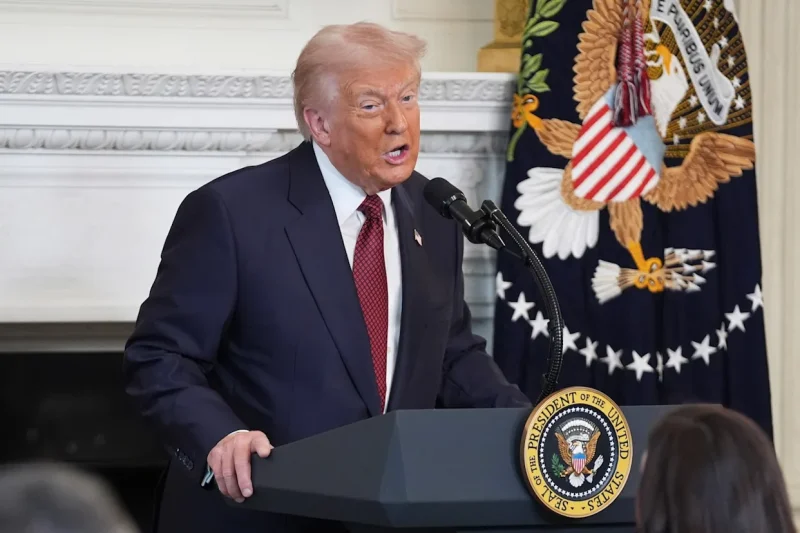
President Donald Trump has publicly described his conversations with Vladimir Putin as constructive, even suggesting the Russian leader wants to be “helpful” on the Middle East. Yet intelligence-sharing allegations, if accurate, undermine the premise that Moscow is neutral — let alone cooperative.
Russia has incentives to prolong the crisis. A widening Middle East war diverts Western focus from Ukraine, complicates NATO coordination, and strains global energy markets. It also places Washington in the uncomfortable position of confronting two adversarial theaters at once.
The deeper risk lies in escalation dynamics. Proxy wars often begin with deniable support — intelligence feeds, weapons transfers, tactical advice — before evolving into direct confrontation. The United States and the Soviet Union spent decades managing that risk in Vietnam, Afghanistan and across the Cold War periphery.
But today’s environment lacks the stabilizing guardrails of structured superpower diplomacy. Communication channels are thinner. Mutual trust is minimal. Domestic political pressures are higher.
If Iranian forces, bolstered by Russian expertise, inflict sustained harm on U.S. troops or Gulf allies, the pressure for retaliation could expand beyond Iran itself. Conversely, if Washington escalates against Tehran while Moscow feels strategically cornered in Ukraine, retaliation could take asymmetric forms elsewhere.
This is how great-power entanglements grow — not through deliberate design, but through cumulative miscalculation.
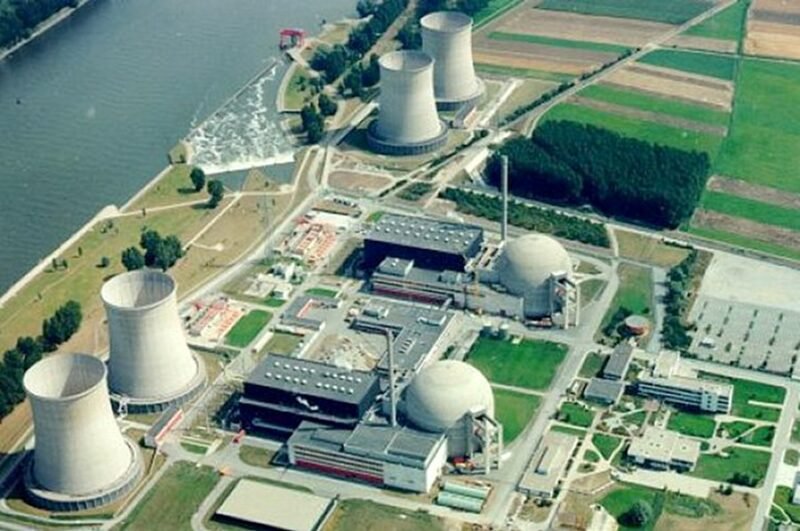
The Iran war may have begun as a targeted campaign against nuclear and military infrastructure. Yet the emerging Russian dimension introduces a second layer of confrontation, one that reaches beyond the Gulf.
The frightening possibility is not simply a prolonged regional war. It is the normalization of a U.S.–Russia proxy battlefield in the Middle East — with nuclear-armed states once again testing each other’s limits.
History suggests such moments demand caution, clarity and disciplined diplomacy.
Whether those qualities prevail now will determine whether this conflict remains regional — or becomes something far harder to contain.