Executed at 18—Iran’s War Turns Inward as Protests Meet the Gallows.
At dawn outside Tehran, in the high-security confines of Ghezel Hesar Prison, an 18-year-old was led to the gallows. His case, rights groups say, reflects not only a judicial decision—but a wider shift in how the Iranian state is managing dissent during wartime.
Authorities executed Amir Hossein Hatami on Thursday after a rapid trial that activists and international organizations described as deeply flawed. He had been arrested during protests earlier this year, sentenced to death within weeks, and executed just 84 days after his detention, according to rights monitors.
Iran’s judiciary said Hatami had acted against national security on behalf of the United States and Israel, accusing him of attacking a military facility during unrest that began as economic protests before expanding into nationwide demonstrations. Officials framed the execution as part of a broader effort to restore order amid escalating external conflict.
But rights groups offer a starkly different account. Amnesty International called the execution “arbitrary,” citing allegations of torture, forced confessions, and a trial process that failed to meet basic legal standards. The Norway-based Iran Human Rights described the proceedings as a “tool of repression,” warning that hundreds more detainees could face similar outcomes in the coming weeks.
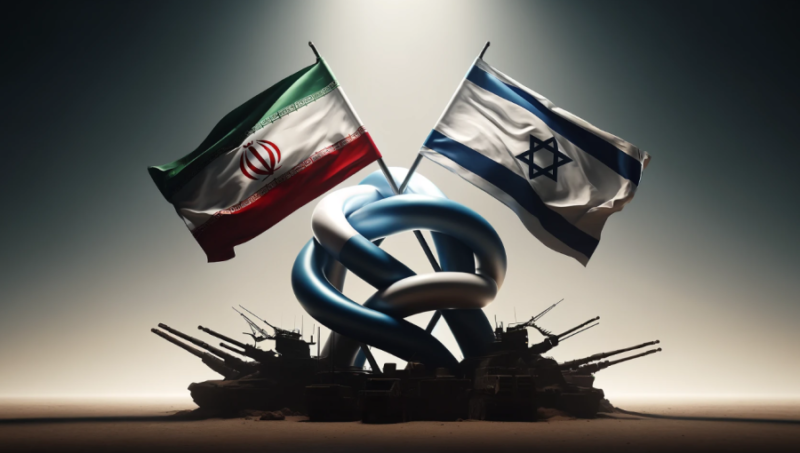
By the third layer of this case, the implications extend beyond a single execution. Iran’s leadership is confronting pressure on two fronts: an external war with the United States and Israel, and internal unrest fueled by economic strain and political discontent. The response, analysts say, is increasingly synchronized—military escalation abroad paired with tightened control at home.
Hatami is not alone. He is the fourth person executed in connection with the recent protest wave, which peaked in early January. Earlier this month, three others—including a 19-year-old athlete—were put to death, while additional executions tied to political charges have followed. The pace suggests an acceleration rather than an isolated action.
The legal process itself has drawn scrutiny. The cases were handled by a revolutionary court overseen by Abolqasem Salavati, a figure sanctioned by Washington and widely known among activists for issuing harsh sentences. Defense lawyers have argued that key evidence was contested and that security forces may have played a role in incidents used to justify the charges.
There are, however, competing narratives. Iranian officials maintain that the individuals involved were engaged in violent acts, including attacks on security installations, and that the judiciary is acting within the law to protect national stability.
The truth, as in many such cases, is contested—and difficult to independently verify.
What is clear is the broader trajectory. Executions are rising at a moment when the state faces heightened external threats. That convergence suggests a strategy: deter dissent by demonstrating the cost of opposition, even as the country mobilizes for conflict beyond its borders.
The risk is that such measures, while intended to consolidate control, may deepen underlying tensions. Protests rooted in economic hardship and political grievance rarely disappear under pressure; they recede, reorganize, and return under different conditions.
For now, the message from Tehran is unmistakable. In wartime, the definition of security expands—and so does the scope of enforcement.
The longer the conflict continues, the more those internal measures may shape the country’s future as much as any outcome on the battlefield.