Warships in the Gulf. Tariffs on Iran’s trade partners. Quiet talks in Oman. Maximum Pressure is back — but is it leverage or escalation?
The return of “Maximum Pressure” is not just a policy shift. It is a performance of power.
The Trump administration has revived its coercive diplomacy toward Iran with calculated intensity: a reinforced U.S. naval presence in the Gulf, sweeping economic threats, and a parallel diplomatic channel through Oman. The choreography is deliberate. Force is visible. Negotiation is quiet. The message is unmistakable — Washington wants a deal, but on its terms.
At the center of this strategy is economic isolation. A February 6 executive order threatening 25 percent tariffs on countries trading with Iran effectively extends U.S. sanctions outward, pressuring third parties to choose between access to the American market or engagement with Tehran. It is not simply punishment; it is structural coercion. The global trading system becomes an enforcement tool.
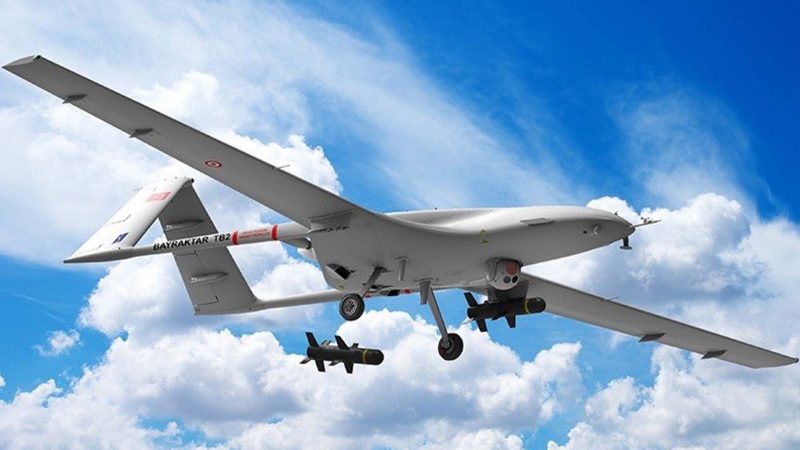
The military dimension reinforces that pressure. The deployment of the USS Abraham Lincoln Carrier Strike Group signals readiness without declaring war. President Donald Trump has warned of consequences “far worse” than previous strikes, invoking the June 2025 U.S.–Israeli campaign against Iranian targets. That precedent changed the calculus. Tehran can no longer assume rhetorical threats lack follow-through.
Yet the armada is paired with diplomacy. Indirect contacts mediated by Oman have been described as constructive. Neither side appears to seek full-scale conflict. A major invasion remains improbable in the near term. The more plausible trajectory is continued pressure aimed at extracting concessions — on nuclear enrichment, missile development, regional proxies, and internal repression.
The core obstacle is scope. Iran appears prepared to negotiate within a narrow nuclear framework. Washington demands broader behavioral change. That gap defines the risk.
If talks collapse, targeted strikes on nuclear or missile infrastructure become more likely. Maritime friction in the Gulf — especially between U.S. vessels and the Islamic Revolutionary Guard Corps — raises the possibility of miscalculation. Even a limited exchange could spiral.
But the objective is not regime change. It is strategic realignment. Maximum Pressure is designed to force integration into a U.S.-defined regional order without overt war.
The question now is psychological, not merely military: Does Tehran view this as theater — or as a credible promise? The answer will determine whether Muscat becomes the venue of breakthrough or the prelude to escalation.