US Eyes Strikes Inside Iran as Hormuz Crisis Deepens. Air war wasn’t enough—now boots on the ground are back on the table.
The war with Iran may be entering its most dangerous phase yet, as the Pentagon prepares contingency plans for limited ground operations—marking a potential shift from airpower dominance to direct battlefield engagement.
According to U.S. officials cited by The Washington Post, the plans under consideration stop short of a full-scale invasion. Instead, they focus on targeted raids—likely involving special operations forces and conventional infantry—against strategic coastal sites and energy infrastructure.
At the center of those discussions is Kharg Island, Iran’s critical oil export hub, as well as weapons systems along the Strait of Hormuz that threaten global shipping. The objective is clear: degrade Iran’s ability to disrupt maritime trade without triggering a broader occupation.
But even limited ground action carries high risks.
U.S. troops would face a battlefield shaped by asymmetric warfare—drones, missile strikes, improvised explosives, and entrenched coastal defenses. Iranian officials have already issued stark warnings.
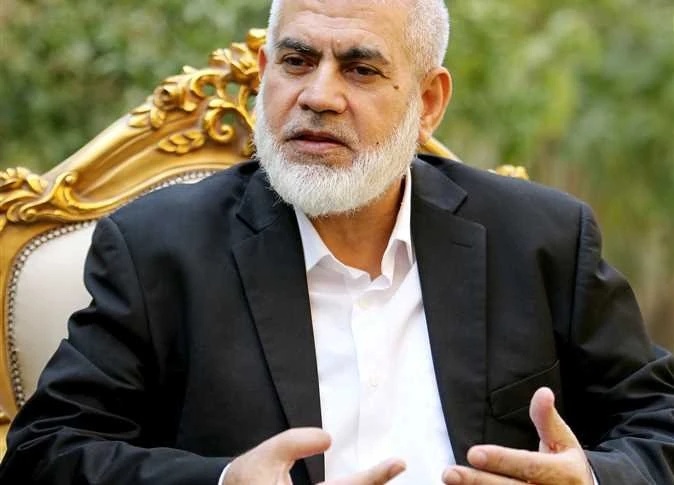
Parliamentary speaker Mohammad Bagher Ghalibaf suggested any U.S. ground move would be met with direct retaliation, while naval commanders threatened to target American carriers operating within range.
Despite the military planning, the final decision rests with Donald Trump, who has not yet authorized ground operations. The White House has emphasized that preparing options does not mean a decision has been made—a familiar pattern in a conflict defined by shifting signals between escalation and negotiation.
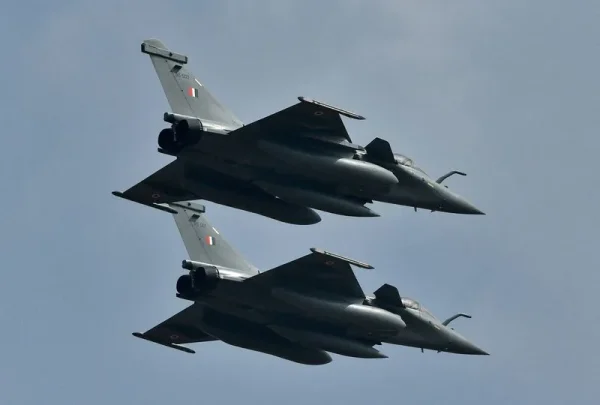
Still, the buildup is tangible. Thousands of U.S. Marines and additional troops from the 82nd Airborne Division are being deployed to the region, alongside amphibious assault groups and strike aircraft. The arrival of forces aboard the USS Tripoli underscores the readiness for rapid action.
Timing is critical. Officials suggest any ground campaign could last “weeks, not months,” reflecting a strategy of swift, targeted intervention rather than prolonged occupation.
Yet the broader implications stretch far beyond Iran’s coastline.
Tehran has signaled it could expand the conflict if attacked on land—potentially opening new fronts in the Red Sea through allied groups such as Yemen’s Houthis. That raises the prospect of simultaneous disruptions at both the Strait of Hormuz and the Bab al-Mandab, two of the world’s most vital maritime arteries.
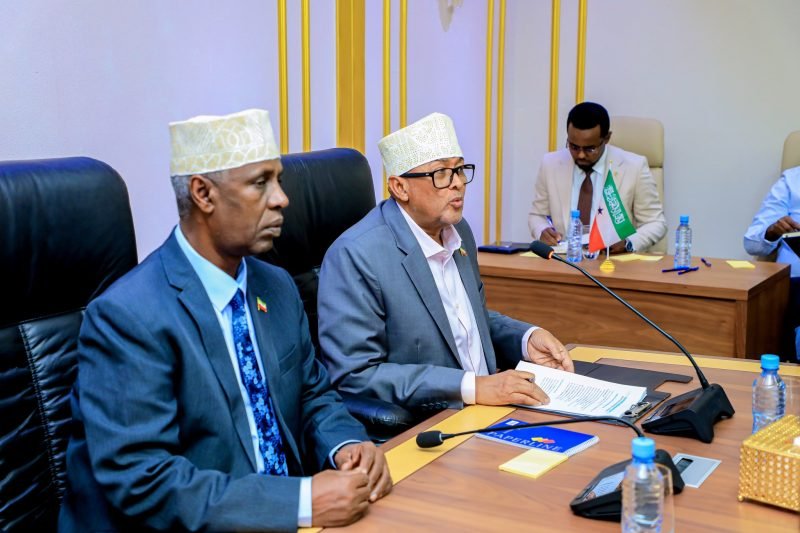
In parallel, diplomatic efforts continue. Pakistan is hosting regional talks involving Gulf and Middle Eastern powers, attempting to broker de-escalation even as military options intensify behind the scenes.
This dual track—negotiation and escalation—defines the current moment.
The United States is preparing for a war it may not want to fight on the ground, while Iran is signaling it is ready for exactly that scenario. Between them lies a narrowing window where diplomacy might still prevent a wider regional confrontation.
If that window closes, the conflict will no longer be defined by airstrikes alone.
It will be defined by territory—and by who is willing to fight for it.