Echoes of Trauma: Unmasking the Dark Legacy of Terrorism on Somaliland’s Psyche
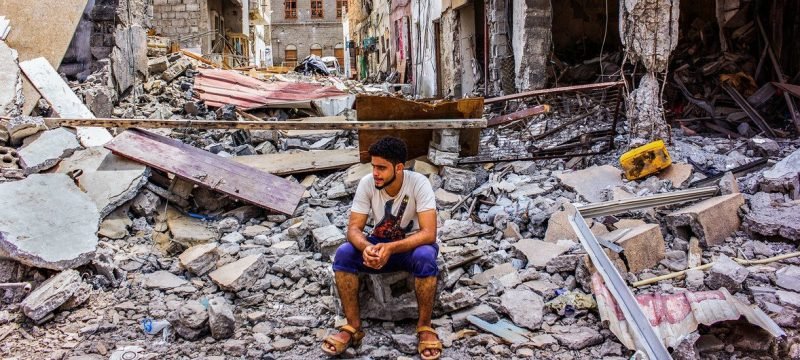
For decades, the people of Somaliland have been subjected to horrific acts of violence and terror, leaving deep, indelible scars on their collective psyche. The latest chapter in this dark saga unfolded in Lasanod in 2022, but to fully grasp the gravity of the current trauma, one must first look back to the 1980s, when the Hargeisa Holocaust forever altered Somaliland’s fate.
In the early 1980s, under the iron-fisted rule of the Somali dictator Siad Barre, Somalilanders faced a brutal onslaught that mirrored the darkest periods of human history. Barre’s regime orchestrated a massacre against the people of Somaliland, killing an estimated half a million individuals. This genocidal campaign, characterized by mass killings and systematic violence, was not just an attack on a region but an attempt to erase an entire people from existence. The echoes of this atrocity resonate to this day, often likened to the Holocaust experienced by Jews under Hitler’s regime, reflecting the sheer scale of suffering inflicted upon Somaliland.
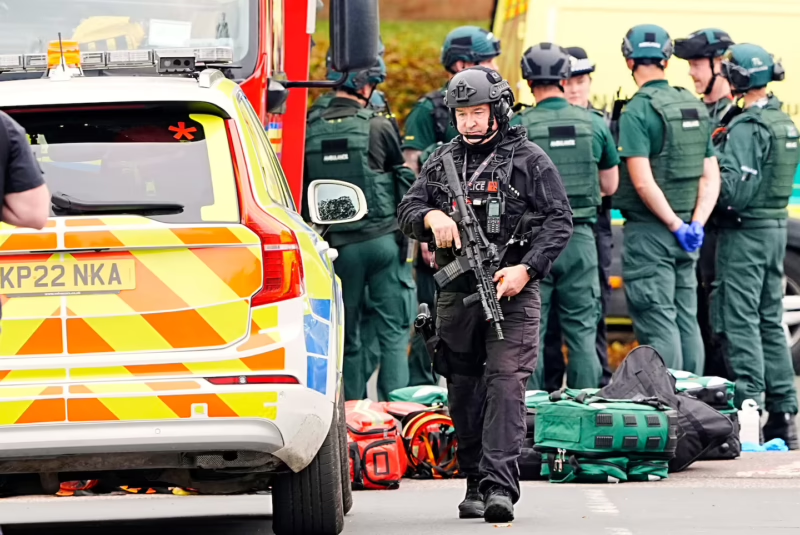
Fast forward to 2022, and the suffering of Somalilanders was reignited with the assault on Lasanod by Somali Darood clan terrorists. This attack, which targeted civilians and soldiers alike, was not merely a violent confrontation but a continuation of a historical pattern of terror aimed at breaking the spirit of the Somaliland people. The assault was marked by extreme brutality, including torture and execution of prisoners of war, depicted in harrowing footage and propaganda disseminated online. The terrorists’ propaganda campaigns, showcasing scenes of death and suffering, were designed to demoralize and incite fear among Somalilanders while furthering their violent agenda.
The psychological impact of these events on Somalilanders cannot be overstated. Our analysis reveals that the trauma inflicted by such propaganda and violence is profound and far-reaching. The repeated exposure to graphic content depicting the torture and murder of Somalilanders has resulted in a spectrum of psychological distress. Many have reported symptoms akin to post-traumatic stress disorder (PTSD), including severe anxiety, persistent nightmares, and acute emotional instability. This reaction is not merely a personal struggle but a collective trauma that reverberates through the community.
The recent research highlights that while Somalilanders’ reactions to terrorist propaganda vary, the common thread is the severe emotional and psychological toll it takes. Scenes of extreme violence and suffering trigger intense emotional responses, such as sadness, anger, and fear. The constant barrage of such content can lead to long-term mood disorders and disrupt daily life, affecting concentration, memory, and overall mental health.
Veterans of the Somaliland National Movement (SNM), who endured the Hargeisa Holocaust, display a heightened awareness of the dangers posed by such content. These individuals, having lived through the horrors of Barre’s regime, approach terrorist propaganda with a more cautious mindset compared to younger generations. Their experience underscores the need for a nuanced understanding of trauma and the importance of historical context in addressing current psychological impacts.
The experimental findings from our study further emphasize the urgency of addressing these issues. The biofeedback data indicates that those exposed to terrorist propaganda exhibit stronger emotional reactions and greater psychological distress compared to those who view less disturbing content. This suggests that the intensity of the visual stimuli plays a significant role in exacerbating trauma, highlighting the need for protective measures and mental health support.
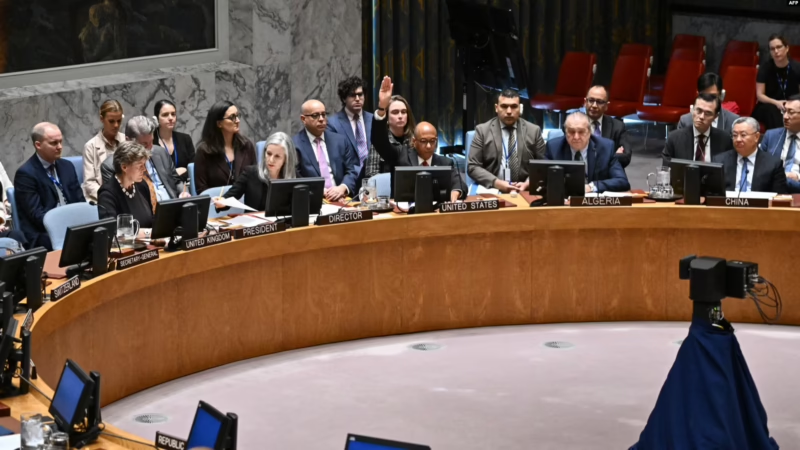
The international community’s response to Somaliland’s plight has been woefully inadequate. The atrocities inflicted upon Somalilanders by both Barre’s regime and the recent Lasanod attackers deserve global condemnation and intervention. The lack of significant international support reflects a broader failure to address the psychological and humanitarian crises faced by this beleaguered region.
To mitigate the ongoing trauma, it is imperative for Somaliland to implement comprehensive mental health strategies. This includes enhancing support services, providing mental health training, and developing coping mechanisms to help individuals deal with the psychological impact of terrorist propaganda. Effective policies should also involve international cooperation to ensure that Somalilanders receive the necessary support to heal from their profound losses.
In conclusion, the suffering of Somalilanders is a stark reminder of the devastating impact of terrorism and violence. From the horrors of the Hargeisa Holocaust to the recent Lasanod attacks, the psychological scars remain deep and pervasive. The global community must recognize and address these issues with the urgency and compassion they demand, offering not just sympathy but tangible support to help Somalilanders reclaim their peace and dignity.