In a stunning turn of events, Denmark’s defense sector finds itself embroiled in controversy as critical faults on a frigate deployed in the Red Sea have led to the ousting of Danish defense chief Flemming Lentfer. The repercussions of this incident extend far beyond Denmark’s borders, raising questions about the readiness of Western armed forces and the efficacy of political command in navigating complex geopolitical tensions.
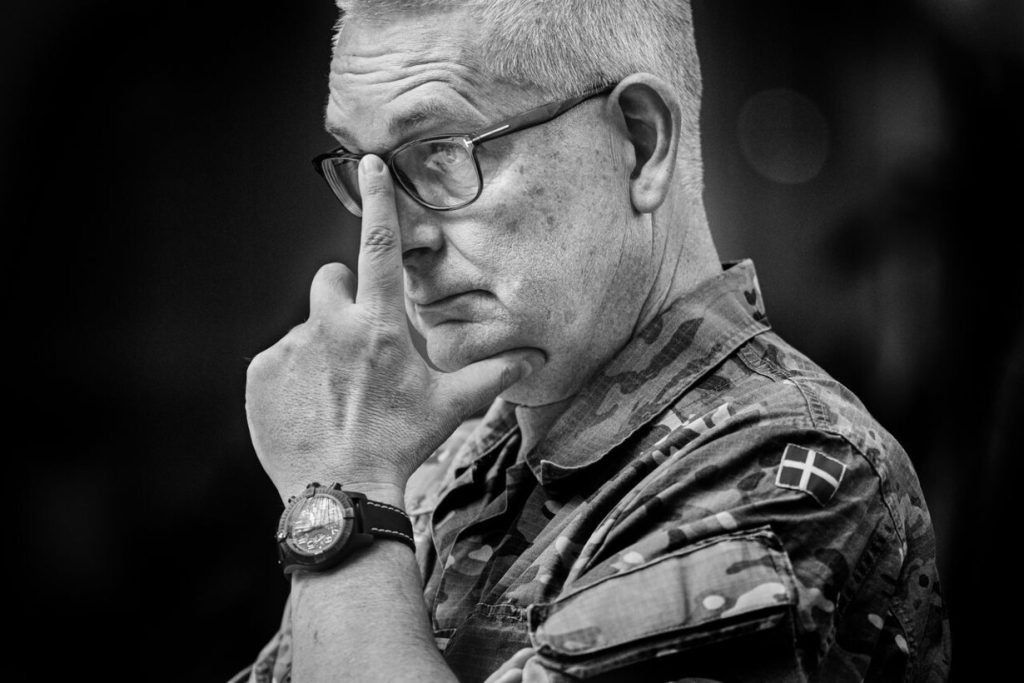
The saga began when Danish news website Olfi uncovered alarming issues with Denmark’s Iver Huitfeldt vessel, including malfunctions in air defense systems during a drone attack allegedly launched by the Yemeni Armed Forces. Shockingly, Defense Minister Troels Lund Poulsen was not informed of these faults by Lentfer but instead learned of them from external sources, eroding trust in Denmark’s defense leadership.
The gravity of the situation became apparent as it was revealed that the frigate’s missile and radar systems had experienced a 30-minute malfunction, rendering it unable to deploy critical defense capabilities. Further reports indicated longstanding issues with the frigate’s equipment, raising concerns about the readiness of Western armed forces to engage in wider-scale conflicts.
This incident is not an isolated one. Recent mishaps involving Western missile systems in the Red Sea, including the German Hessen frigate’s failed attempt to intercept an American MQ-9 drone, underscore the challenges facing Western defense sectors. Heightened tensions and geopolitical pressures have exacerbated these issues, leading to internal strife within defense ministries and commands.
As Carsten Bach, defense spokesperson for the opposition Liberal Alliance party, aptly remarked, “There is something similar to an open war between the ministry and the defense command.” This internal discord not only undermines Denmark’s defense capabilities but also reflects broader fissures within Western defense establishments.
In light of these developments, it is imperative for Western governments to address systemic issues within their defense sectors and prioritize transparency and accountability. Failure to do so risks further eroding public trust and jeopardizing national security interests.
The dismissal of Flemming Lentfer serves as a sobering reminder of the challenges facing modern defense establishments. It is incumbent upon policymakers and military leaders to heed the lessons of this incident and work towards bolstering the resilience and effectiveness of Western armed forces in an increasingly volatile world.
As Denmark grapples with the fallout from this debacle, it must seize the opportunity to enact meaningful reforms and restore confidence in its defense capabilities. The path forward may be fraught with challenges, but with decisive leadership and concerted action, Denmark and its Western allies can emerge stronger and more prepared to confront the complex security threats of the 21st century.